
The Best Beaches Near Bournemouth
Bournemouth’s own seven miles of golden sand are a treasure, but just beyond the town lie some of the finest beaches near Bournemouth and in the country. Within easy reach by car or public transport, the coastlines of Poole, Purbeck and the Jurassic Coast offer a variety of beach experiences, from calm family-friendly bays to dramatic cliffs and iconic rock formations. Some of these spots are well worth a full day trip, combining beach time with walks, wildlife and local culture.
The Essentials of Exploring Nearby Beaches
Which beaches are closest and most popular?
Sandbanks and Studland stand out as the nearest big-name beaches near Bournemouth, separated by a short but scenic chain ferry crossing. Mudeford, just past Christchurch, is famous for its calm waters and iconic beach huts. To the west, Durdle Door and the Purbeck coast offer breathtaking natural scenery and excellent walking opportunities. Further afield, Weymouth presents a traditional seaside resort with a long sandy bay.
What should visitors know about visiting these beaches?
These popular beaches near Bournemouth can become very busy during the summer months, especially at weekends. Early travel is recommended to secure parking and avoid crowds. Public transport options vary, so planning ahead is essential. Each beach offers a different atmosphere and facilities, so choosing the right one depends on your preferences for activities, scenery and convenience.
Sandbanks and Studland: Coastal Contrasts
What makes Sandbanks a must-visit beach near Bournemouth?
Sandbanks is a peninsula at the entrance to Poole Harbour, renowned for its soft pale sands and calm, sheltered waters. It offers stunning views across Poole Bay and is a favourite for families and watersports enthusiasts alike. The beach is easily accessible from Bournemouth by car or bus, though parking is limited and can fill quickly on sunny days. For those interested in exploring beyond the beach, the nearby town of Poole offers a vibrant harbourfront and historic streets.
How do you get from Sandbanks to Studland?
A unique feature of this area is the Sandbanks chain ferry, which crosses the mouth of Poole Harbour to Studland. The ferry carries both vehicles and pedestrians, running frequently throughout the day. The crossing takes only a few minutes but queues can build up on the Sandbanks side during peak season, so an early start helps avoid delays. Walking or cycling passengers often bypass the longest waits, making it a pleasant and practical way to reach Studland.
What is special about Studland Beach?
Studland offers a very different coastal experience from Sandbanks. Its long, gently shelving sands are backed by heathland and dunes, creating a spacious and natural environment. The beach rarely feels crowded even when car parks are busy. It is ideal for families, walkers and nature lovers, with spectacular views towards the famous Old Harry Rocks. The surrounding heath is a protected area rich in wildlife, adding to the appeal for those seeking tranquillity close to the sea.
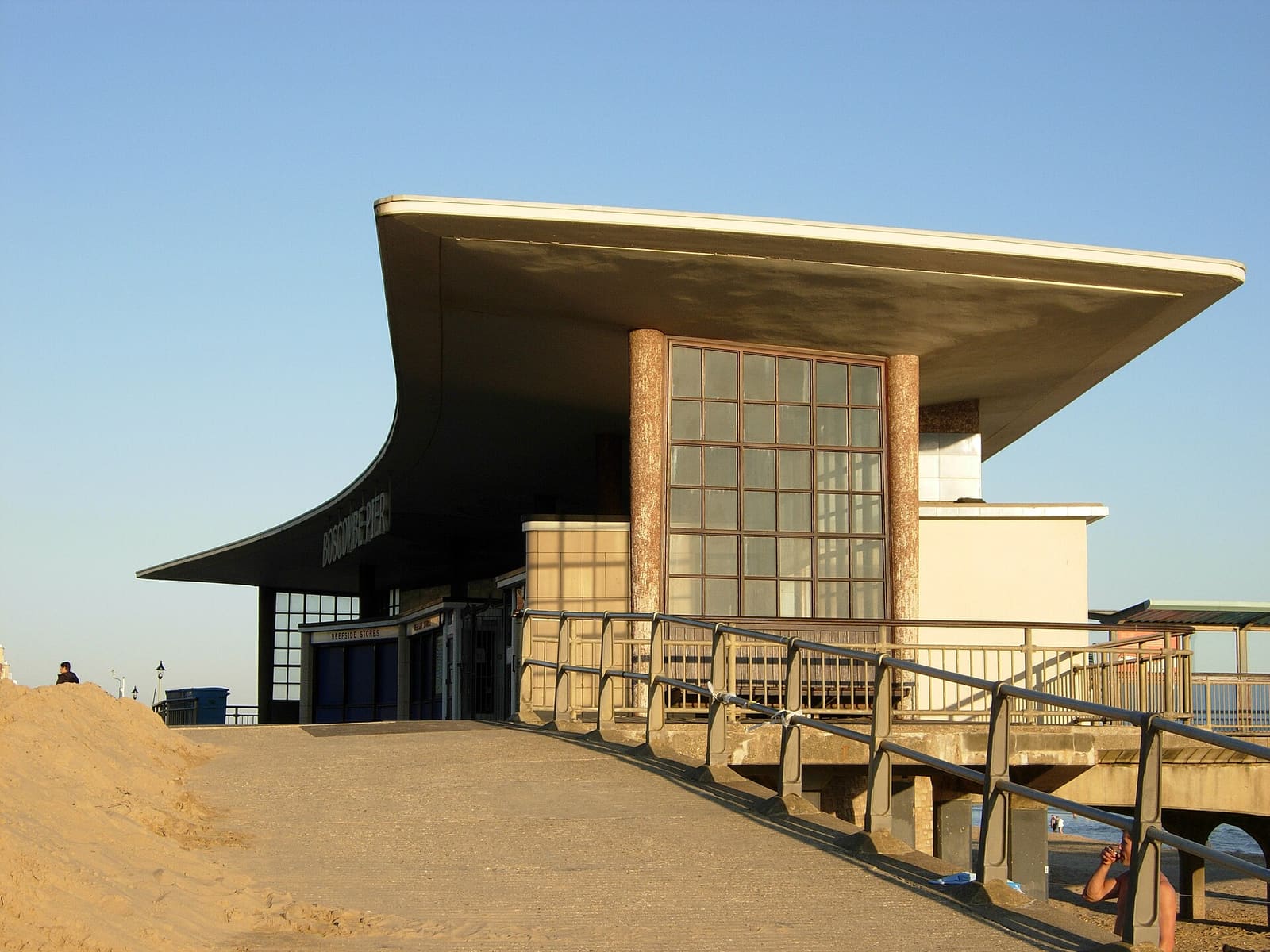
Mudeford and Christchurch: Calm Waters and Iconic Beach Huts
What makes Mudeford Beach unique?
Just east of Bournemouth, beyond the historic town of Christchurch, Mudeford offers a sandy spit that shelters calm, shallow waters perfect for paddling and swimming. The beach is famous for its colourful row of beach huts, some of the most sought-after in the country, which line the sandbank and add a charming seaside character. Mudeford is a quieter alternative to the busier beaches near Bournemouth to the west, making it popular with families and those looking for a relaxed day by the sea.
How can visitors reach the Mudeford spit?
Access to the spit is part of the experience. Visitors can walk across from the mainland, take a small passenger ferry or enjoy a ride on the seasonal land train. This variety of options makes the journey to the beach fun and accessible for all ages. Combining a visit here with a stroll around Christchurch town, with its historic priory and picturesque quays, makes for a rewarding day out.
Durdle Door and the Purbeck Coast: Dramatic Scenery and Coastal Walks
Why is Durdle Door a highlight of the Jurassic Coast?
Durdle Door is one of Dorset’s most iconic natural landmarks: a limestone arch carved by the sea, reaching out into the water against a backdrop of cliffs. It embodies the rugged beauty of the Jurassic Coast World Heritage Site, offering stunning photo opportunities and a chance to connect with nature. The beach below the arch is pebbly and less suited to sunbathing, but the dramatic landscape is perfect for walkers and explorers. It is one of the more dramatic beaches near Bournemouth worth the journey.
What should visitors expect when visiting Durdle Door and the Purbeck coast?
Reaching Durdle Door involves parking on a clifftop and then descending a steep path to the beach, so sturdy footwear and water are essential. The wider Purbeck coast features other gems like Lulworth Cove, with its sheltered waters and unique geology. These beaches near Bournemouth are best accessed by car and are ideal for combining swimming with coastal walks, wildlife spotting and exploring quaint villages. Good weather is recommended to fully enjoy the scenery.
Weymouth: Traditional Seaside Resort with a Long Sandy Bay
What does Weymouth offer for a day trip from Bournemouth?
Weymouth is a classic seaside town further west along the coast, known for its long, flat bay of golden sand and gently shelving waters. The Georgian seafront promenade adds historic charm and plenty of amenities, making it a popular choice for families and visitors seeking a full day by the sea. Beyond the beach, Weymouth offers shops, cafes and attractions that provide entertainment even if the weather is less favourable. It is one of the more traditional beaches near Bournemouth to explore on a day trip.
How does Weymouth compare to other beaches near Bournemouth?
While it is the furthest of the beaches near Bournemouth discussed here, Weymouth’s size and facilities make it a worthwhile destination for a full day trip. Its traditional resort atmosphere contrasts with the more natural settings of Studland or the rugged Jurassic Coast, offering a different kind of seaside experience. Visitors should plan for a longer journey and consider timing their visit to make the most of the extensive beach and town amenities.
Planning Your Beach Day Trips from Bournemouth
How to avoid crowds and parking problems?
Summer weekends see high visitor numbers at all these beaches near Bournemouth, so early arrival is key. Planning transport in advance, whether by car or public transport, helps avoid frustration. Some beaches have limited parking or charge for spaces, so checking local council websites such as BCP Council for up-to-date information is advisable. If car parks are full, be prepared to try alternative beaches near Bournemouth or visit during quieter times.
Where to find more information on Bournemouth’s beaches and beyond?
For those wanting to compare these day trips with Bournemouth’s own seafront, our guide to Bournemouth’s best beaches provides detailed descriptions of the town’s seven miles of sand. You can also browse all the beaches featured in our guide to plan your perfect seaside itinerary. Whether you prefer lively family beaches, quiet nature spots or dramatic coastal walks, the Dorset coast near Bournemouth has something to offer every visitor.
For further inspiration on exploring Dorset’s coastline, including the Jurassic Coast World Heritage Site, visit the Jurassic Coast Trust and Visit Dorset websites. For travel and weather updates, the Met Office provides reliable forecasts to help you pick the best beach days.