
The British seaside is not always as straightforward as the brochures suggest. Between unpredictable weather, train strikes, and the perennial question of whether to pack a windbreaker in July, planning a trip to Bournemouth can involve more logistics than one might expect. For those seeking reliable Bournemouth visitor information, this guide provides practical advice to help you sidestep most of the usual pitfalls and actually enjoy the coast, rather than queue for it.
If you are considering a visit, whether for a weekend or a longer stay, this page sets out the essentials: when to come, how to get here, what to expect from the weather, and how to make the most of your time on the Dorset coast. Flexiestays guests in particular will find details on local transport, seasonal events, and practical tips that save both time and money. Below, you will find a concise overview, then in-depth sections on timing, travel, climate, and what to do once you arrive.
Bournemouth Visitor Information At a Glance
- Bournemouth’s Blue Flag beaches are a 15-minute walk from West Cliff serviced apartments.
- The town enjoys 7.6 hours of sunshine per day on average in July, according to the Met Office.
- Direct trains from London Waterloo to Bournemouth take as little as 1 hour 50 minutes.
- Visitor information is available year-round, with local support from BCP Council and Flexiestays.
- Bournemouth Airport (BOH) is 6.5 km from the town centre, with taxi fares averaging £20–25.
When to Visit: Seasons, Crowds and Costs
Bournemouth is not the sort of place that ever truly shuts down, but the character of the town shifts dramatically with the seasons. Summer (late June to early September) brings festival crowds, busy beaches, and water temperatures that occasionally justify a swim without a wetsuit. The Bournemouth Air Festival, held each August, draws over 800,000 visitors and can send hotel prices soaring by 30 per cent or more. If you value elbow room on the sand, late spring (May to early June) and early autumn (mid-September to October) offer milder weather and quieter seafronts, with many attractions still open.
Winter is the time for brisk walks along the prom, the Christmas Tree Wonderland in the Lower Gardens, and rates that can be less than half the summer peak. Most local restaurants and attractions operate reduced hours from November to March, but the town’s core remains active. For a detailed breakdown of seasonal events, weather patterns, and price trends, see our guide to when to visit Bournemouth.

School Holidays and Major Events
School holidays, particularly late July and August, see a sharp increase in demand for accommodation and parking. Major events such as the Bournemouth 7s Festival and the Arts by the Sea Festival also affect availability and prices. If your dates are flexible, avoiding these periods can make for a more relaxed stay and easier restaurant bookings. For the latest Bournemouth visitor information on event dates and crowd levels, check local listings before booking.
Getting Here: Trains, Planes and Parking, Bournemouth Visitor Information
Bournemouth’s location on the Dorset coast makes it accessible by rail, road and air, though each comes with its own quirks. The main railway station, Bournemouth, is served by South Western Railway with direct trains from London Waterloo in under two hours. From the station, local buses and taxis connect to the seafront, West Cliff, and other neighbourhoods.
Drivers from London should expect a journey of approximately two hours via the M3 and M27, though summer weekends can see significant delays approaching the town. Parking on the seafront is metered and can cost £15–25 per day in high season. Flexiestays properties on West Cliff, such as Tower House and Cliff Heights, include free on-site parking, a small mercy during festival weekends.
Bournemouth Airport (BOH) is just over four miles from the centre, with seasonal flights to UK and European destinations. Taxis and the Yellow Buses 737 service connect the airport to the town, though service frequency varies. For further details on routes, journey times and up-to-date parking information, see our travel information page or consult BCP Council’s transport guidance.
Local Transport: Buses, Bikes and Walking
Once in Bournemouth, the town is compact enough for walking, especially along the seafront promenade that stretches from Alum Chine to Boscombe. Yellow Buses and Morebus operate frequent services across the town and out to Sandbanks, Hengistbury Head, and Christchurch. Beryl Bikes (electric and pedal) are available for hire, with docking stations near the pier and West Cliff. For a map of public transport and bike routes, see our interactive map. This section of Bournemouth visitor information is essential for getting around efficiently.
Weather and Climate: What to Expect, Bournemouth Visitor Information
Bournemouth’s reputation as one of Britain’s sunniest towns is not entirely wishful thinking. The Met Office records an average of 1,750 hours of sunshine per year, and summer highs typically reach 21°C. Sea breezes can make evenings cooler, so a light jacket is rarely wasted space in your suitcase. Rain is a year-round possibility, with the wettest months being October to January.
Spring and autumn are increasingly popular for visitors seeking milder temperatures and fewer crowds. Winter brings occasional frosts but rarely snow, and the town’s microclimate means gardens and parks remain green long after other parts of the country have gone dormant. For monthly averages and packing advice, see our full weather and climate guide. This part of Bournemouth visitor information helps you pack smartly.
Beach Conditions and Safety
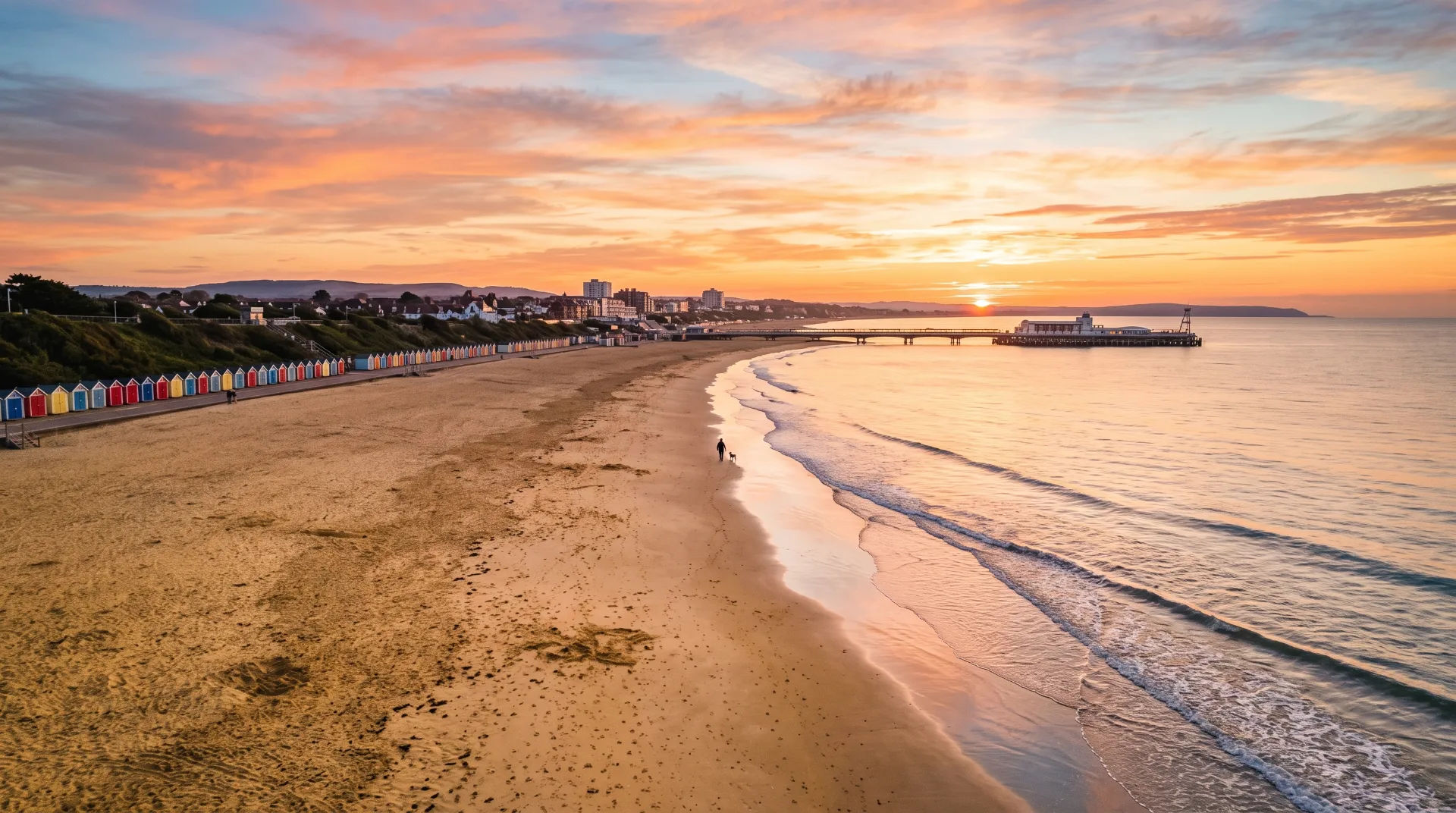
Bournemouth’s seven miles of sandy beaches are patrolled by RNLI lifeguards from May to September, with Blue Flag status awarded to several stretches including Alum Chine and Durley Chine. Water quality is monitored regularly, and flags indicate swimming conditions each day. For detailed safety advice and live updates, see the RNLI and Blue Flag websites. This is vital Bournemouth visitor information for families and swimmers.
What’s On: Events and Seasonal Highlights
The town’s event calendar is as varied as its weather. The Bournemouth Air Festival in August is the largest of its kind in Europe, while the Christmas Tree Wonderland brings illuminated displays to the Lower Gardens from late November. The BIC (Bournemouth International Centre) hosts concerts, comedy and conferences year-round, and the Pavilion Theatre stages everything from West End musicals to local pantomimes.
For a full list of events, including food festivals, live music, and family activities, see our What’s On section. If you are planning a visit during a major event, booking accommodation early is advisable, especially for serviced apartments with parking. Keeping up with Bournemouth visitor information on event schedules will enhance your trip.
Attractions and Activities
Beyond the sand and surf, Bournemouth offers a range of attractions: the Oceanarium, Russell-Cotes Art Gallery, and the Victorian gardens are all within walking distance of West Cliff. Day trips to the Jurassic Coast, Durdle Door, and Corfe Castle are easily arranged by car or public transport. For inspiration, browse our things to do and attractions guides. This section of Bournemouth visitor information helps you plan your itinerary.
Accommodation: Hotels, Serviced Apartments and Self-Catering
Bournemouth’s accommodation market ranges from Victorian hotels to modern serviced apartments. Traditional hotels along the seafront and in the town centre are joined by self-catering flats and aparthotels, many of which cater to longer stays. Flexiestays offers 130 serviced apartments across seven aparthotels on West Cliff, with all-inclusive bills, fortnightly cleaning, and free parking, features that become increasingly valuable as stay length increases.
For those staying 28 nights or more, serviced apartments can be 30 to 40 per cent less expensive per night than standard hotel rates. Bookings made direct at Flexiestays typically save around 15 per cent compared to online travel agencies, with a 25 per cent deposit securing your stay. For a comparison of accommodation types, see the table below or browse our where to stay listings. This Bournemouth visitor information is key for budgeting your trip.
Serviced Apartments vs Traditional Rentals
Long-term visitors may be tempted by traditional rentals, but recent changes to legislation, such as the abolition of fixed-term tenancies under the Renters’ Rights Act 2026, have shifted the landscape. Serviced apartments require no deposit, no utility setup, and no council tax payments to BCP Council, making them the accommodation option the visitor information seekers now prefer for flexibility and convenience.
| Feature | Serviced Apartment (Flexiestays) | Traditional Rental |
|---|---|---|
| Minimum Stay | 1 night (28+ for best rates) | 6–12 months typical |
| Deposit | 25% to secure, no damage deposit | 5 weeks’ rent upfront |
| Bills & Wi-Fi | All included, fibre speeds | Tenant responsibility |
| Cleaning | Fortnightly, included | Tenant responsibility |
| Parking | Free on-site | Rare, often paid extra |
| Council Tax | Included | Tenant responsibility |
Visitor Essentials: Money, Safety and Local Rules
Bournemouth is generally safe and well-policed, with low levels of violent crime compared to other UK towns of similar size. The town centre and seafront are covered by CCTV, and RNLI lifeguards patrol the main beaches in season. Cash machines are widely available, though most shops, restaurants and attractions accept contactless payments. BCP Council enforces parking regulations strictly, and fines for illegal parking start at £50.
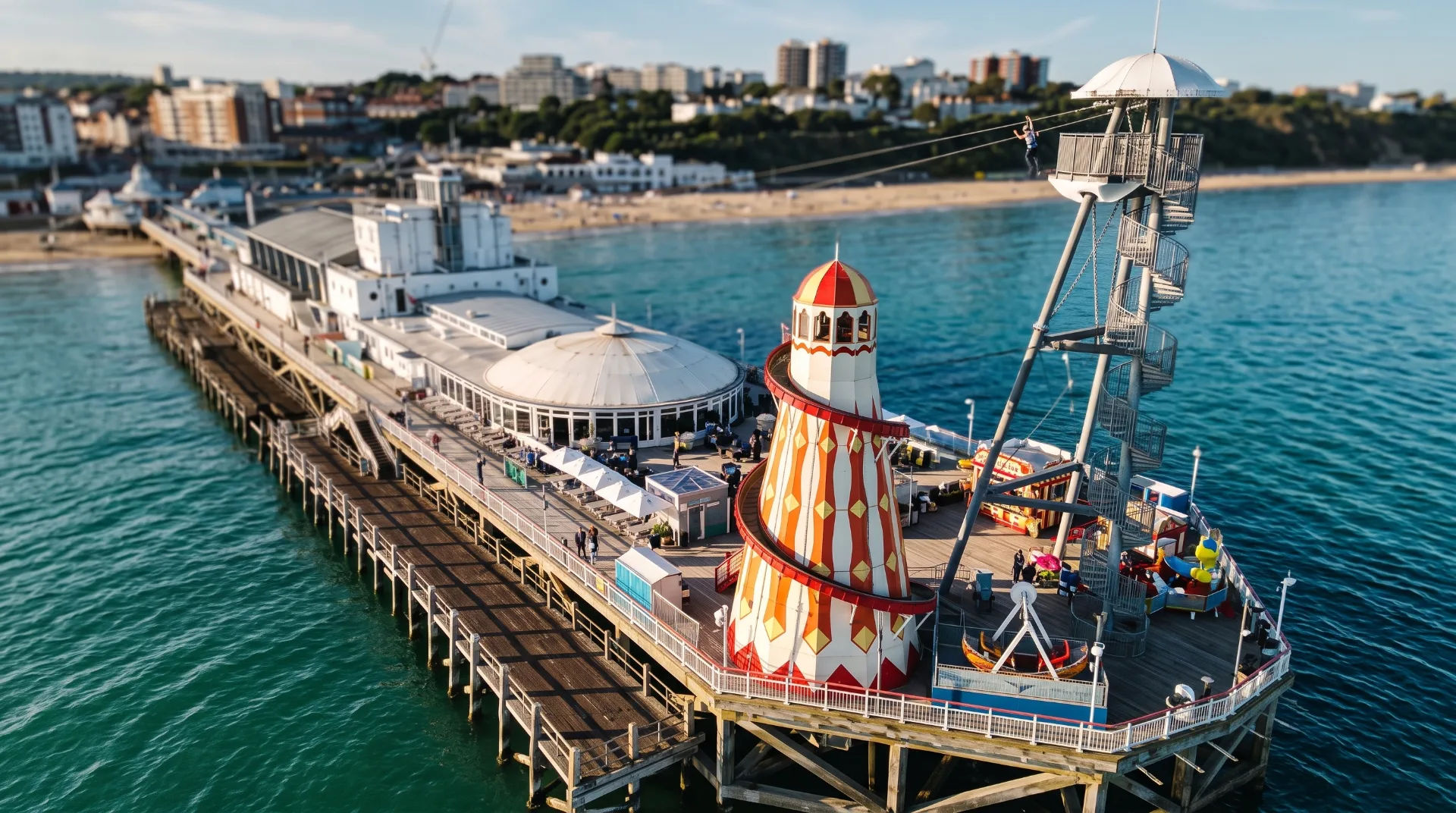
Smoking is not permitted on Bournemouth Pier or in most public gardens. Dogs are banned from Blue Flag beaches between 1 May and 30 September, though there are designated year-round dog-friendly zones. For further details on local bylaws and public services, see BCP Council’s official site. This section of Bournemouth visitor information covers important rules to keep in mind.
Accessibility and Family Facilities
The seafront promenade is step-free for over seven miles, with accessible toilets at Bournemouth Pier, Alum Chine and Boscombe. Beach wheelchairs are available for hire from the council. Baby-changing facilities are found at most public toilets and major attractions. For more on accessible travel and family services, see our visitor information hub. This Bournemouth visitor information is essential for families and those with accessibility needs.
Takeaways: Booking Direct, Saving More
Booking your stay direct with Flexiestays typically saves around 15 per cent compared to major online travel agencies, and a 25 per cent deposit secures your apartment. For stays of 28 nights or more, rates drop by up to 40 per cent per night, with all bills, cleaning, and parking included. Use code SUMMER10 for an additional 10 per cent off your booking.
If you need tailored advice or have a question not covered here, our local team is ready to help you plan a smoother Bournemouth visit. This final note on Bournemouth visitor information ensures you get personalised support.
Frequently Asked Questions, Bournemouth Visitor Information
When is the best time to visit Bournemouth?
The best time to visit Bournemouth depends on your priorities: summer (late June to early September) offers the warmest weather and busiest events, but also higher prices and crowds. Spring and early autumn provide milder temperatures and quieter beaches, while winter is ideal for off-season rates and peaceful walks. For a detailed breakdown, see our when to visit Bournemouth guide.
How do I get to Bournemouth by train?
You can reach Bournemouth by direct train from London Waterloo in as little as 1 hour 50 minutes, with South Western Railway operating regular services. The main station is centrally located, with local buses and taxis available for onward travel to the seafront, West Cliff and other neighbourhoods. For timetables and fares, consult National Rail.
What is the weather like in Bournemouth?
Bournemouth enjoys a mild, sunny climate, with average summer highs of 21°C and around 1,750 hours of sunshine per year. Rain is possible year-round, with the wettest months from October to January. For monthly averages and packing tips, see our weather and climate guide.
Where can I park in Bournemouth?
Parking is available at metered bays along the seafront and in council-run car parks, with daily rates of £15–25 during peak season. Many serviced apartments, including Flexiestays properties, offer free on-site parking for guests. Always check signage, as BCP Council enforces parking regulations strictly.
Are Bournemouth’s beaches safe for swimming?
Yes, Bournemouth’s main beaches are patrolled by RNLI lifeguards from May to September, with daily safety flags and regular water quality checks. Blue Flag status indicates high standards for cleanliness and safety. For live updates and advice, visit the RNLI website.
What events are on during my visit?
Bournemouth hosts a wide range of events year-round, from the Air Festival in August to the Christmas Tree Wonderland in winter. For up-to-date listings, see our What’s On calendar, which includes festivals, live music, theatre and more.
What are the advantages of serviced apartments over traditional rentals?
Serviced apartments in Bournemouth offer flexible stays with all-inclusive bills, cleaning, and no need for a long-term contract or council tax payments. Traditional rentals typically require a fixed-term tenancy, a large deposit, and responsibility for utilities and council tax. For a side-by-side comparison, see our accommodation table above.
How can I get more information or local advice?
For further visitor information or personalised assistance, you can speak with our local team at Flexiestays contact page. We are happy to help with travel planning, accommodation advice, and any questions about your Bournemouth stay.