
Bournemouth mild climate explained how geography shapes its gentle weather
Bournemouth’s unique geography and sea influence create a mild climate, making it one of Britain’s sunniest seaside towns with a longer outdoor season for visitors.
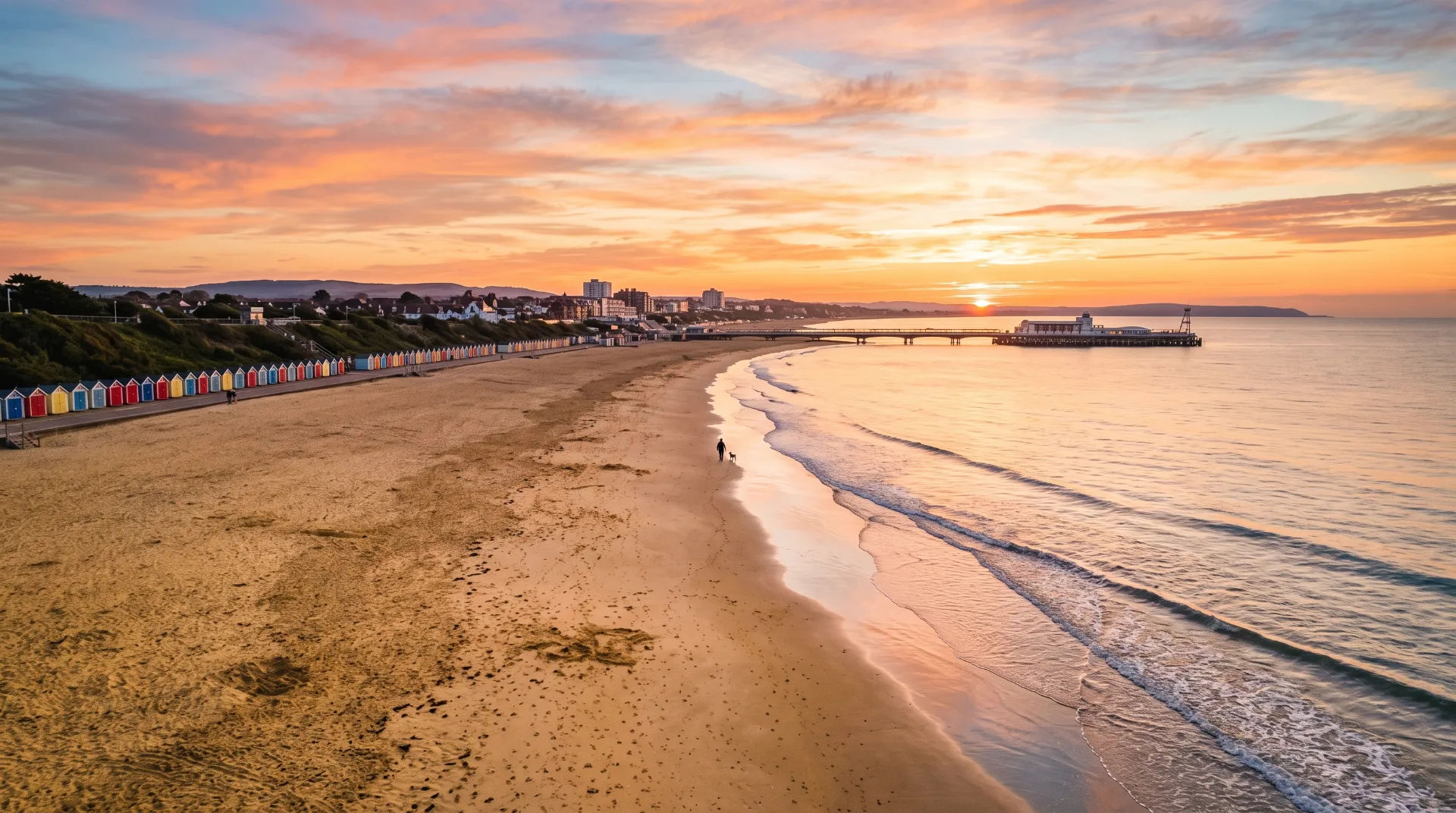
Why Bournemouth Stays One of Britain’s Mildest Seaside Towns
Bournemouth’s reputation as one of Britain’s sunniest and mildest seaside towns is no accident. The town’s geography and natural features combine to create what locals and visitors alike appreciate as the Bournemouth mild climate. This climate is genuinely kinder than most places in the UK. This mildness is a key reason why Bournemouth became a popular resort and remains a favourite destination for visitors seeking pleasant weather by the sea.
How Geography Shapes Bournemouth’s Mild Climate
Bournemouth’s climate benefits from several geographical factors that work together to moderate temperatures and shelter the town from harsher weather.
The South-Facing Bay and Bournemouth Mild Climate
The bay faces almost due south, which is unusual for a British seaside town. This orientation means the beaches and seafront enjoy direct sunlight for most of the day, from morning until evening. The south-facing aspect maximises sunshine hours, especially in spring and autumn when other parts of the country may still be grey and chilly. This helps to extend the outdoor season for beachgoers and walkers alike, a key feature of the Bournemouth mild climate.
Protective Cliffs and Pine-Scented Chines
Behind the town, the chalk cliffs form a natural barrier against cold northerly winds. These cliffs shelter Bournemouth from the worst of Britain’s winter blasts, creating a microclimate in the town and along the coast. The chine valleys, such as Alum Chine, are wooded and filled with pine trees whose scent is a distinctive feature of Bournemouth’s air. These sheltered valleys encourage subtropical plants to thrive, a botanical sign of the mild conditions that define the Bournemouth mild climate.
The Warming Influence of the Sea
The sea around Bournemouth plays a crucial role in moderating temperatures. Water has a high heat capacity, meaning it warms slowly in summer and cools slowly in winter. This effect keeps the town warmer in winter and cooler in summer compared to inland areas. The sea stores summer heat well into autumn, allowing for pleasant beach days later in the year and an early arrival of spring warmth. This maritime influence is a vital part of the Bournemouth mild climate.
Bournemouth’s Origins as a Health Resort
The mild climate was recognised early on as a health benefit, shaping Bournemouth’s development as a seaside resort.
Victorian Medical Endorsement
Bournemouth was founded in 1810 and quickly gained popularity because Victorian doctors recommended its mild air and pine-scented surroundings for patients with respiratory and other health conditions. The town’s clean, fresh air was considered therapeutic, and this medical endorsement helped establish Bournemouth as a fashionable destination for convalescence and leisure. The reputation for a Bournemouth mild climate was central to this appeal.
Gardens and Subtropical Planting as Climate Evidence
The town’s chain of Victorian gardens, running from the town centre to the sea, are a living testament to its favourable climate. These gardens feature subtropical plants that struggle to survive in most of Britain but flourish here thanks to the sheltered environment. Alum Chine’s tropical gardens are a particularly good example, showcasing exotic species that thrive in the mild microclimate. This botanical richness reflects the enduring Bournemouth mild climate.
What Bournemouth’s Mild Climate Means for Visitors
The climate extends the tourist season and offers a variety of outdoor experiences throughout the year.
A Longer Season for Beach and Outdoor Activities
Thanks to the mild weather, Bournemouth’s beach season is longer than in many other UK seaside towns. Visitors can enjoy beach-friendly weather not only in the summer months but also in May and late September, when the crowds have thinned but the sun still shines warmly. This makes Bournemouth an attractive option for those seeking a quieter seaside break outside the peak holiday period. The extended season is a direct result of the Bournemouth mild climate.
Pleasant Winter Walks and Off-Season Charm
Winter in Bournemouth is rarely harsh. Crisp, bright days along the clifftops offer invigorating walks with stunning views over the bay. The town’s mild winters make it a good choice for off-season visits when you can enjoy the gardens, seafront, and local attractions without the summer crowds. For a detailed month-by-month breakdown of the best times to visit, see our guide to the best time to visit Bournemouth. This off-season appeal is part of the Bournemouth mild climate story.
Year-Round Things to Do
Beyond the weather, Bournemouth offers a wide range of activities throughout the year. From exploring the gardens and nature reserves to enjoying the vibrant food and drink scene, there is always something to do. Our things to do section covers attractions, events, and activities suitable for all seasons. The variety is supported by the consistently pleasant Bournemouth mild climate.
Understanding Bournemouth’s Mild Climate in Context

To appreciate Bournemouth’s mildness fully, it helps to compare it with other parts of the UK and understand the scientific factors behind its weather.
Comparison with Other British Seaside Towns
While many British seaside towns face north or east, exposing them to colder winds and less sunshine, Bournemouth’s south-facing bay gives it a distinct advantage. The combination of sea influence and sheltering cliffs means it often records higher average temperatures and more sunshine hours than coastal towns further east or north. This advantage is at the heart of the Bournemouth mild climate.
The Role of the South Coast and the English Channel
Bournemouth’s location on the south coast of England, bordering the English Channel, contributes to its temperate climate. The Channel acts as a heat reservoir, and its relatively shallow waters warm quickly in summer, helping to keep the adjacent land warmer in autumn and winter. This maritime influence reduces temperature extremes, making Bournemouth one of the mildest spots in Britain. This is a key element of the Bournemouth mild climate.
Planning Your Visit with the Bournemouth Mild Climate in Mind
Knowing why Bournemouth stays mild can help you plan your trip to make the most of the weather and local attractions.
Choosing When to Visit
If you want to avoid peak season crowds but still enjoy warm weather, consider visiting in late spring or early autumn. These months often provide sunny days ideal for beach walks and outdoor dining. Winter visits suit those who enjoy peaceful coastal walks and the town’s quieter side, with festive events and cosy pubs to warm up in. The flexibility in timing is thanks to the Bournemouth mild climate.
Packing for Bournemouth’s Climate
Even with its mildness, Bournemouth’s weather can be changeable. It is wise to pack layers and waterproofs, especially for off-season visits. Comfortable walking shoes are essential for exploring the gardens and clifftop paths. Don’t forget sun protection for the sunnier months, as the south-facing bay can deliver strong sunshine. Being prepared for the Bournemouth mild climate ensures a comfortable visit.
Getting Around and Exploring
Bournemouth’s compact layout and good public transport make it easy to explore the town and its surroundings regardless of the season. For more ideas on what to see and do, check our guides to Bournemouth’s best beaches and things to do in Bournemouth. The ease of exploration complements the benefits of the Bournemouth mild climate.
Conclusion
Bournemouth’s status as one of Britain’s mildest seaside towns is rooted in its unique geography and maritime setting. The south-facing bay, protective cliffs, and warming sea combine to create a climate that extends the outdoor season and supports subtropical gardens. This climate heritage shaped Bournemouth’s origins as a health resort and continues to make it a welcoming destination for visitors year-round. Whether you are seeking summer sun, spring blooms, or crisp winter walks, Bournemouth offers a mild and inviting seaside experience thanks to its Bournemouth mild climate.
For more about Bournemouth’s climate and how it shapes your visit, see our visitor information and explore the town’s gardens and attractions for a full picture of what makes this seaside town special.
External references:
Frequently asked questions
What geographical features contribute to Bournemouth's mild climate?
Bournemouth benefits from several key geographical features that create its mild climate. The town's bay faces almost due south, allowing it to enjoy direct sunlight for most of the day, especially in spring and autumn. Behind the town, chalk cliffs act as a natural barrier against cold northerly winds, sheltering the area from harsh winter weather. Additionally, the nearby sea moderates temperatures by warming slowly in summer and cooling slowly in winter, keeping Bournemouth warmer in winter and cooler in summer compared to inland areas.
How does Bournemouth's south-facing bay affect visitors' experience?
The south-facing bay is unusual for a British seaside town and means that Bournemouth's beaches and seafront receive direct sunlight from morning until evening. This orientation maximises sunshine hours, particularly in spring and autumn when other parts of the UK may be grey and chilly. As a result, visitors can enjoy longer outdoor seasons for beach activities and walks, making the town attractive even outside the peak summer months.
Why was Bournemouth originally developed as a health resort?
Bournemouth was founded in 1810 and quickly gained popularity due to Victorian medical endorsements. Doctors recommended its mild air and pine-scented surroundings for patients with respiratory and other health conditions. The town's clean, fresh air was considered therapeutic, which helped establish Bournemouth as a fashionable destination for convalescence and leisure during the Victorian era.
What can visitors expect from Bournemouth's climate during the winter months?
Winter in Bournemouth is rarely harsh thanks to its sheltered location and maritime influence. Visitors can enjoy crisp, bright days ideal for invigorating walks along the clifftops with stunning views over the bay. The mild winter climate also allows for off-season visits where guests can explore gardens, seafronts, and local attractions without the crowds typical of summer.
When is the best time to visit Bournemouth to enjoy mild weather and fewer crowds?
Late spring and early autumn are excellent times to visit Bournemouth for mild weather combined with fewer crowds. During these months, the town often experiences sunny days suitable for beach walks and outdoor dining. Off-season winter visits are also appealing for those who enjoy peaceful coastal walks and quieter local attractions.
What should visitors pack when travelling to Bournemouth considering its climate?
Although Bournemouth enjoys a mild climate, its weather can be changeable. Visitors should pack layers and waterproof clothing, especially if travelling outside the summer months. Comfortable walking shoes are recommended for exploring gardens and clifftop paths. For sunnier months, sun protection is important due to the strong sunshine received on the south-facing bay.
How does the sea influence Bournemouth's temperature throughout the year?
The sea around Bournemouth plays a crucial role in moderating the town's temperatures. Because water has a high heat capacity, it warms up slowly during summer and cools down slowly in winter. This means Bournemouth tends to be warmer in winter and cooler in summer compared to inland areas. The sea also stores summer heat well into autumn, allowing for pleasant beach days later in the year and an early arrival of spring warmth.
Comments (0)
No comments yet. Be the first to join the conversation.