
Why Bournemouth Stays One of Britain’s Mildest Seaside Towns
A south-facing bay, sheltering cliffs and a warming sea give Bournemouth one of the kindest climates in the country. Here is how the geography works.

Ask why Bournemouth became a resort at all and the honest answer is the weather. The town enjoys one of the mildest climates in Britain, and it is not marketing: the geography genuinely stacks the deck.
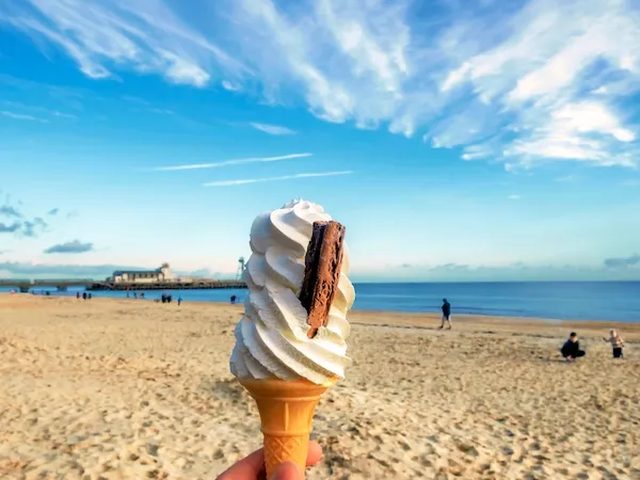
Start with the aspect. The bay faces almost due south, so the beaches catch sun from morning to evening, and the cliffs at the town's back shoulder away the worst of the north wind. Add the sea itself, which stores summer heat well into autumn, and you get a town where spring arrives early, autumn lingers, and a bright January afternoon on the promenade can feel borrowed from March.
Built on a health resort
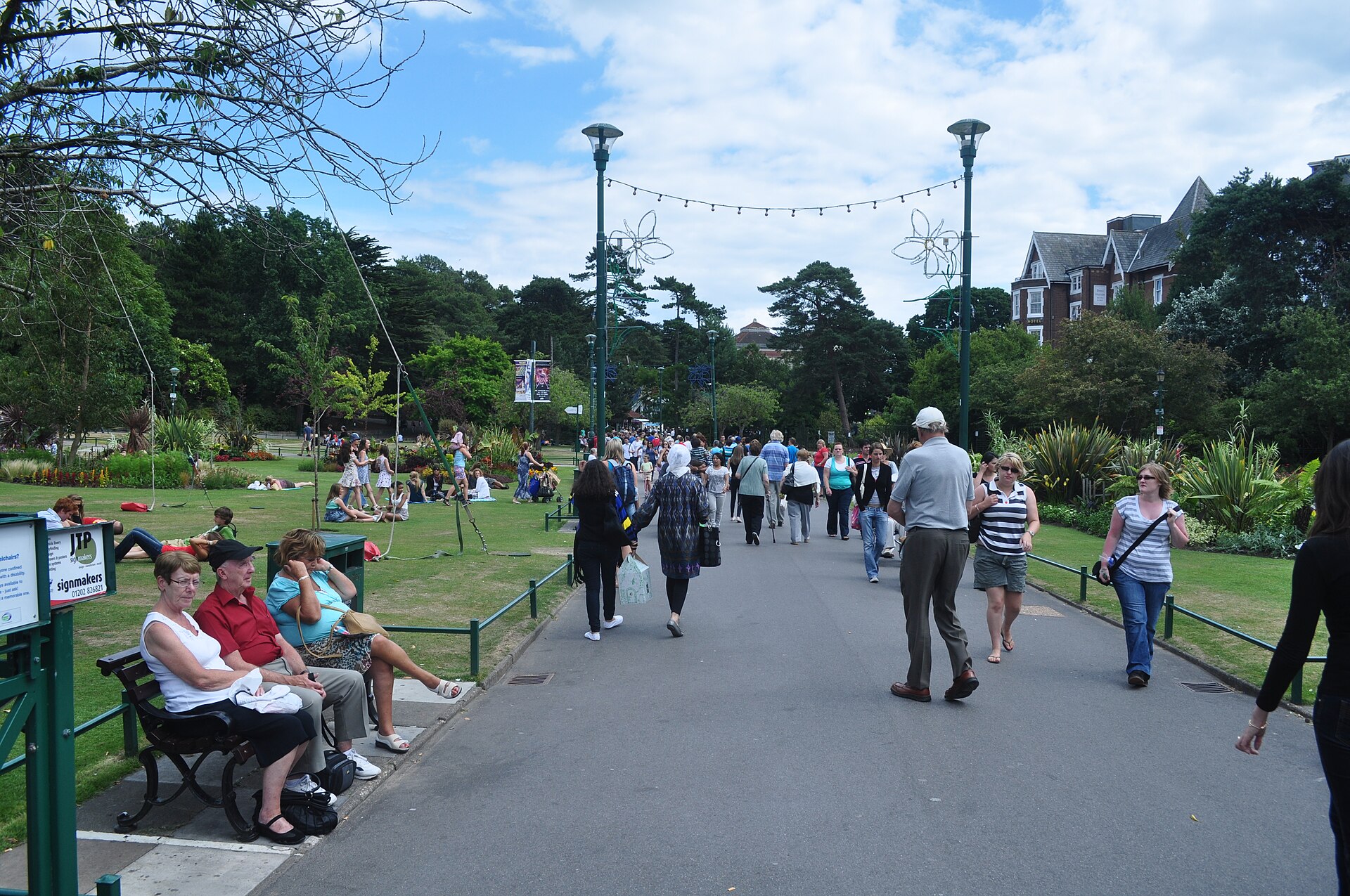
None of this is news. Bournemouth was founded in 1810 and grew precisely because Victorian physicians prescribed its mild air and pine-scented chines to their patients. The gardens that thread from the town centre to the sea, and the subtropical planting that thrives in sheltered corners like Alum Chine, are the horticultural proof: things grow here that struggle almost anywhere else in Britain.
What it means for a visit
The practical takeaway is that the season is longer than the school holidays. May and late September regularly deliver beach weather without the crowds, and winter rewards walkers with crisp, bright days along the clifftops. Our guide to the best time to visit breaks the year down month by month, and things to do covers the rest.
Comments (0)
No comments yet. Be the first to join the conversation.