
Hiring beach huts Bournemouth style is a brilliant way to make your seaside day easier and more enjoyable. Instead of lugging all your gear across the sand and wrestling with windbreaks, you get a handy base with a door, a kettle and a dry spot to change. Bournemouth’s promenade is lined with thousands of these charming huts, and booking one is simpler than you might think. A beach hut turns a good day at the seaside into an easy one. Instead of hauling everything across the sand and pinning down a windbreak, you get a base with a door, a kettle and somewhere dry to change. Bournemouth has thousands of them strung along the promenade, and hiring one is more straightforward than most people expect.
Beach huts have long been a beloved feature of British seaside towns. They offer a small, private space right on the sand, making a day at the beach more comfortable and convenient. Bournemouth’s beach huts are no exception, with a variety of locations and options to suit different needs. Whether you want a quick day hire or a seasonal spot to call your own, there is plenty to know before you book.
The essentials: Hiring beach huts Bournemouth style is a brilliant way to make your seaside day easier and more enjoyable
- Most seafront huts are hired through the council, by day, week or season.
- They run in coloured rows along much of the seven-mile promenade.
- Book early for summer weekends and school holidays, as demand is high.
- Huts are for daytime use, not sleeping, and come empty, so bring your own kit.
How hiring beach huts Bournemouth style makes your seaside day easier and more enjoyable
The bulk of Bournemouth's beach huts are owned by the local council and let out to the public, which keeps the process fairly simple. You can usually hire for a single day, for a week, or take a longer seasonal let that runs across the warmer months. Daily and weekly hire suits visitors and one-off days out, while seasonal lets tend to be snapped up by regulars who want the same hut year after year.
Hiring beach huts Bournemouth style is a brilliant way to make your seaside day easier and more enjoyable. Instead of lugging all your gear across the sand and wrestling with windbreaks, you get a handy base with a door, a kettle, and a dry spot to change. Bournemouth’s promenade is lined with thousands of these charming huts, and booking one is simpler than you might think. Booking is generally done in advance through the council, often online, and the popular stretches near the centre go quickly for peak dates. If you want a hut for a specific summer weekend, treat it like booking anything else in high season and sort it well ahead.
What it costs
Prices depend on where the hut sits, the time of year and how long you take it for, with peak summer costing more than the quieter shoulder months. Rates are reviewed each year, so check the current figures at the point of booking rather than trusting a number you saw a couple of seasons ago. As a rule, huts further from the pier and the busiest access points tend to be a little easier to secure.
Hiring beach huts Bournemouth style is a brilliant way to make your seaside day easier and more enjoyable. Instead of lugging all your gear across the sand and wrestling with windbreaks, you get a handy base with a door, a kettle, and a dry spot to change. Bournemouth’s promenade is lined with thousands of these charming huts, and booking one is simpler than you might think.
Booking tips and availability
Because demand is high during school holidays and weekends, it is wise to book as early as possible. Many people reserve their favourite huts year after year, especially for seasonal lets. If you are flexible on location, you might find availability later in the season or on weekdays. The council website provides up-to-date availability and booking options, making it easy to plan your visit.
Where the huts are: Hiring beach huts Bournemouth style is a brilliant way to make your seaside day easier and more enjoyable
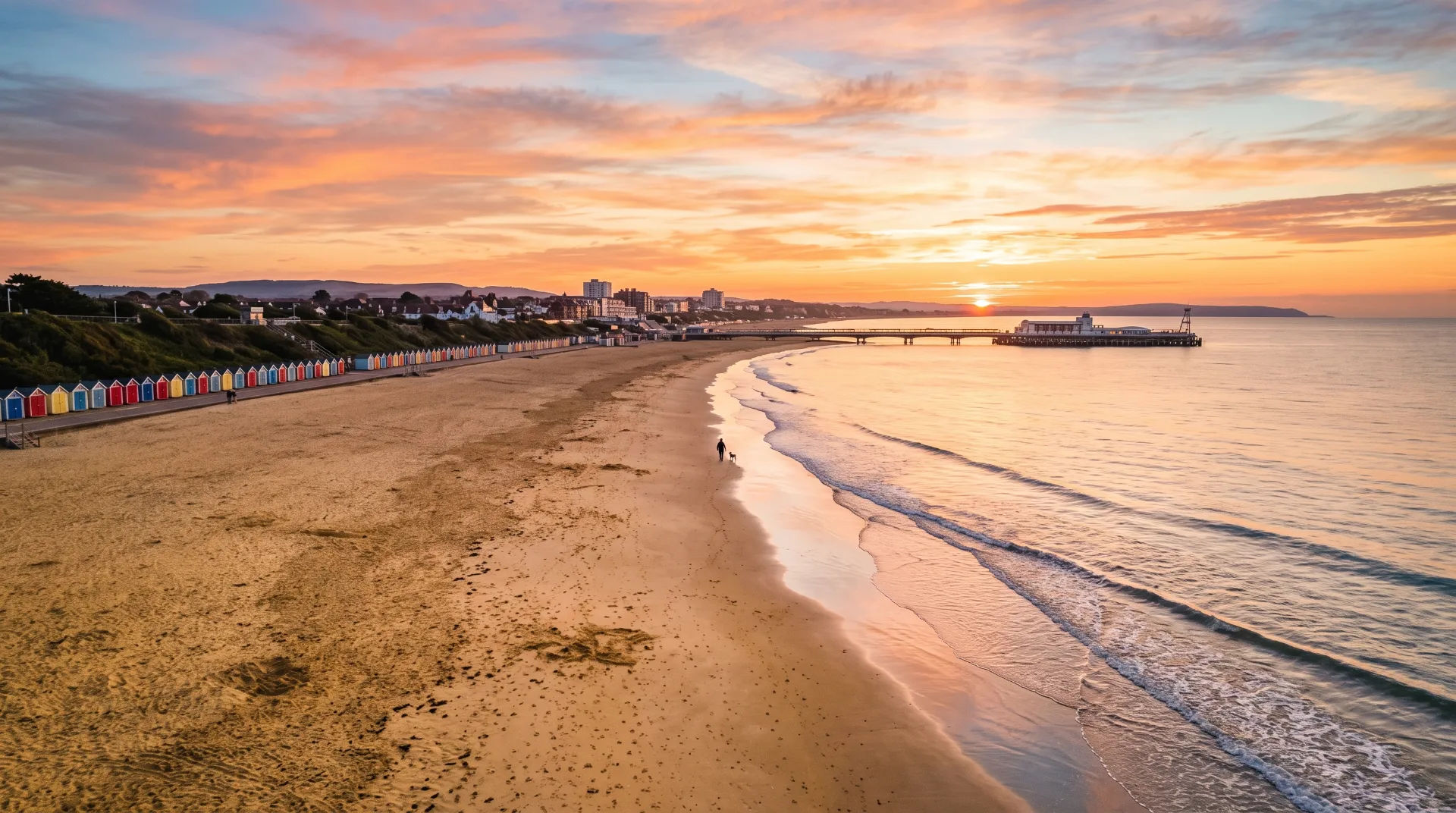
The huts are spread along much of the seven-mile front, so it is worth thinking about which stretch fits your day. The central beaches near the piers are the busiest and best connected for cafes and facilities. Head west and the huts at Durley Chine put you near a well-equipped seafront with a modern building and watersports on hand.
Hiring beach huts Bournemouth style is a brilliant way to make your seaside day easier and more enjoyable. Instead of lugging all your gear across the sand and wrestling with windbreaks, you get a handy base with a door, a kettle, and a dry spot to change. Bournemouth’s promenade is lined with thousands of these charming huts, and booking one is simpler than you might think. Go the other way and the rows out towards Southbourne are calmer and more local in feel, a good choice if you want space and quiet rather than the crowds. Wherever you end up, the flat promenade links the stretches together, so you are never far from the next kiosk or slipway.
Popular beach hut locations in Bournemouth
- Central Bournemouth: Near the iconic Bournemouth Pier, these huts offer easy access to restaurants, amusements and the Oceanarium. They are popular with families and holidaymakers.
- Durley Chine: Known for its modern eco-friendly beach hub, this area has huts close to watersports and café facilities. It’s a great spot for active beach days.
- Southbourne: This stretch is quieter and more relaxed. The huts here suit those who prefer a peaceful day by the sea with fewer crowds.
- Boscombe and beyond: Further east, huts become less dense but still offer a lovely seaside experience with access to local cafés and the Boscombe Pier area.
!The sandy peninsula at Sandbanks
What to bring when hiring beach huts Bournemouth style is a brilliant way to make your seaside day easier and more enjoyable
Council huts are hired empty, so pack as though you are furnishing a tiny room for the day. A few things make all the difference:
- Folding chairs and a small table, since huts do not come with furniture.
- A flask or a camping kettle if you want hot drinks, plus water.
- Windbreak, towels, sun cream and layers for when the breeze picks up.
- Bags for rubbish, as you are expected to leave the hut clean.
Hiring beach huts Bournemouth style is a brilliant way to make your seaside day easier and more enjoyable. Instead of lugging all your gear across the sand and wrestling with windbreaks, you get a handy base with a door, a kettle, and a dry spot to change. Bournemouth’s promenade is lined with thousands of these charming huts, and booking one is simpler than you might think. A hut gives you shade at midday, shelter if the wind gets up and a lockable spot for bags while you are in the sea. For families it is the single easiest way to make a long beach day comfortable, especially with young children who need regular breaks from the sun.
Additional items to consider
- Beach toys and games: If you have children, bring buckets, spades and balls to keep them entertained.
- Cool box or picnic: Keep your food and drinks fresh and handy.
- Portable speaker: For some background music, but be mindful of other beach users.
- Beach mats or rugs: To extend your space outside the hut and keep sand off your belongings.
A few practical notes on hiring beach huts Bournemouth style is a brilliant way to make your seaside day easier and more enjoyable
Huts are for daytime use and are not set up for sleeping overnight. Keep the promenade clear when you set out chairs, follow any site rules posted nearby, and remember that the same seasonal beach and dog restrictions apply to the sand in front of your hut as anywhere else on the coast. Check the promenade signage if you are unsure.
Rules and etiquette
- Do not leave personal belongings unattended overnight.
- Dispose of all rubbish responsibly; many huts have no bins.
- Respect neighbours and keep noise levels reasonable.
- Follow any instructions from the council or beach wardens.
Why hire beach huts Bournemouth style? A brilliant way to make your seaside day easier and more enjoyable
Hiring beach huts Bournemouth style is a brilliant way to make your seaside day easier and more enjoyable. Instead of lugging all your gear across the sand and wrestling with windbreaks, you get a handy base with a door, a kettle, and a dry spot to change. Bournemouth’s promenade is lined with thousands of these charming huts, and booking one is simpler than you might think. It transforms a simple day at the seaside into a more relaxed and enjoyable experience. It offers privacy, shelter and a secure place for your belongings. You avoid the hassle of carrying everything back and forth. It also provides a base where you can easily prepare snacks or make a hot drink.
For families, a beach hut is a game changer. Young children can rest in the shade, change clothes comfortably and store toys safely. Older visitors appreciate the shelter from sun and wind, making the beach accessible even in less-than-perfect weather.
Alternatives and comparisons for hiring beach huts Bournemouth style
While Bournemouth council huts are the most common option, some private owners rent out their huts independently. These might come with extra features or furniture but can be more expensive. It is important to check the legitimacy of private hires and ensure you understand the terms.
If you want a longer-term arrangement, seasonal lets offer the chance to have your own spot for the summer. This can be more cost-effective if you visit regularly and want the convenience of a familiar base.
How to make the most of your day hiring beach huts Bournemouth style
Once you have your hut booked, plan your day to enjoy all that Bournemouth’s coast offers. Start with a stroll along the promenade to explore nearby cafés and shops. Pack a picnic or visit one of the many seafront restaurants. Take advantage of watersports if you are near Durley Chine or Boscombe.
Hiring beach huts Bournemouth style is a brilliant way to make your seaside day easier and more enjoyable. Instead of lugging all your gear across the sand and wrestling with windbreaks, you get a handy base with a door, a kettle, and a dry spot to change. Bournemouth’s promenade is lined with thousands of these charming huts, and booking one is simpler than you might think. Remember to bring swimwear, hats and plenty of water. Check the weather forecast before you go, as conditions can change quickly by the sea. Lifeguards patrol many of Bournemouth’s beaches during the summer, so swim safely between the flags.
Where to go next after hiring beach huts Bournemouth style
A hut is really just a comfier way to enjoy the beach, so once you have one booked, the rest is planning the day around it. Browse all of the beaches to pick your stretch of sand, or look through the wider range of things to do to fill the hours between swims.
For official information on beach safety and lifeguard cover, see the RNLI website. To understand more about Bournemouth’s seafront and council services, visit BCP Council. For background on the history and popularity of beach huts in the UK, Wikipedia offers a good overview at Beach huts.
Hiring beach huts Bournemouth style is a brilliant way to make your seaside day easier and more enjoyable. Instead of lugging all your gear across the sand and wrestling with windbreaks, you get a handy base with a door, a kettle, and a dry spot to change. Bournemouth’s promenade is lined with thousands of these charming huts, and booking one is simpler than you might think. Hiring beach huts Bournemouth style is a simple way to enhance your seaside day. With options across the seven-mile promenade, it suits families, couples and solo visitors alike. Book early, pack well and enjoy one of the most charming traditions of British beach life.