
Bournemouth is known for its extensive and varied green spaces, with over 2,000 acres dedicated to parks and gardens. Whether you are exploring historic Victorian settings or natural reserves, Bournemouth parks gardens offer a wonderful mix of landscapes and activities that enrich the borough’s character. These green areas cover around 20 per cent of the borough’s area, providing residents and visitors alike with places to relax, play, and connect with nature.
This page provides an overview of Bournemouth’s main parks and gardens, their features, and how to visit them. It also covers nature reserves, walking routes, and practical information such as accessibility and seasonal highlights.
What are the main Bournemouth parks gardens in the town centre?
At the heart of Bournemouth lies a 1.5-mile stretch of linked gardens that are Grade II listed and hold Green Flag status for quality and maintenance. These Bournemouth parks gardens follow the course of the River Bourne through the town and are divided into three sections:
Lower Gardens: Starting near the seafront, these gardens feature extensive floral bedding displays, a bandstand for summer concerts, and the Bournemouth Aviary, home to around 200 birds. The Lower Gardens also host seasonal events including art exhibitions and festivals.
Central Gardens: Extending from the Lower Gardens towards Coy Pond, the Central Gardens include Victorian pleasure gardens with historic features such as the 1990 Pergola Bridge and a war memorial. This section links the town centre with the Upper Gardens.
Upper Gardens: The Upper Gardens stretch towards Poole and include more naturalistic planting with exotic trees, a Gothic water tower, and woodland boardwalks. This area offers a quieter, more peaceful atmosphere.
Together, these Bournemouth parks gardens form a continuous green corridor through the town, ideal for walking, cycling, and relaxing.
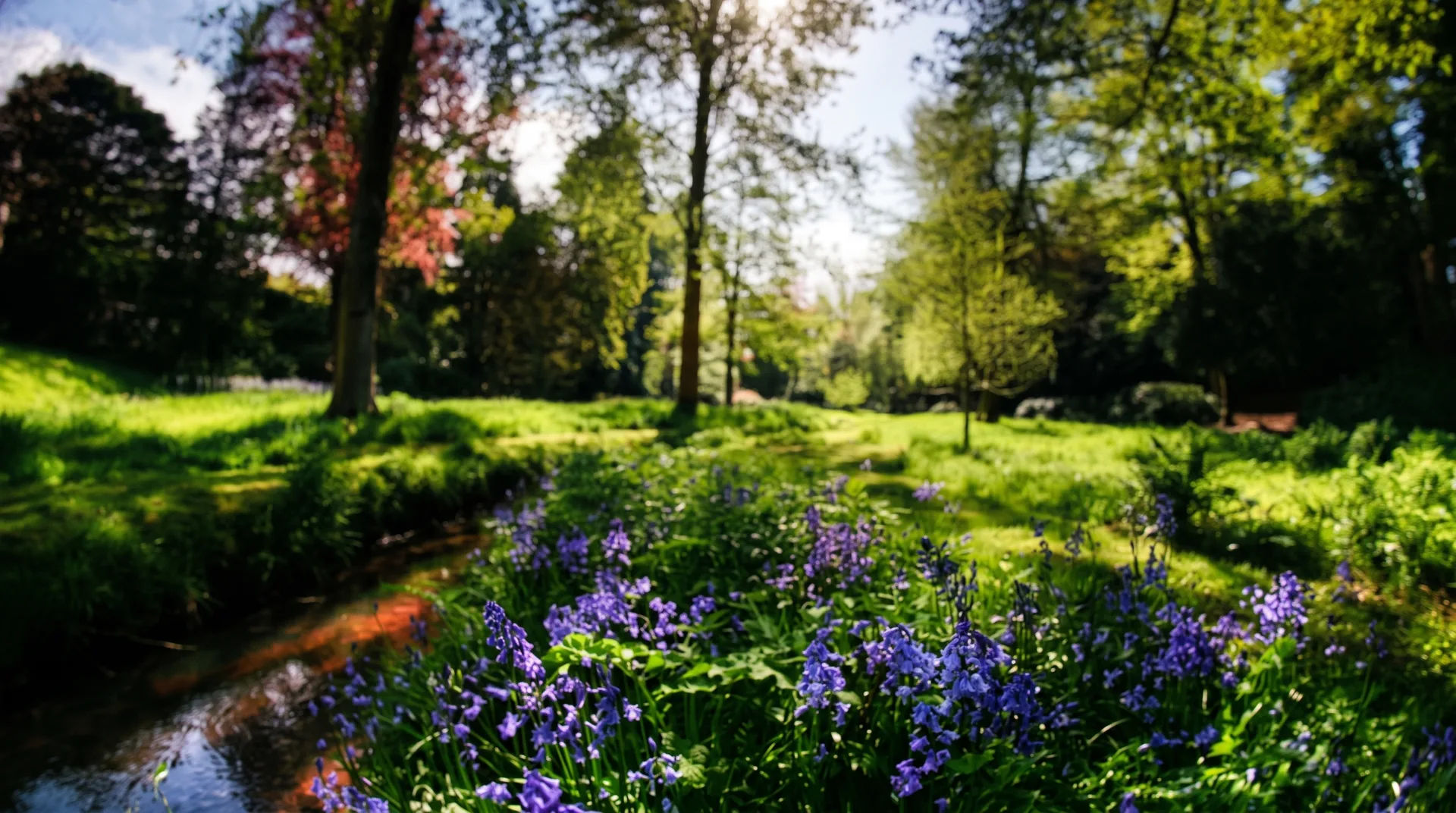
Other notable Bournemouth parks gardens
Beyond the central gardens, Bournemouth has a variety of parks and gardens that cater to different interests:
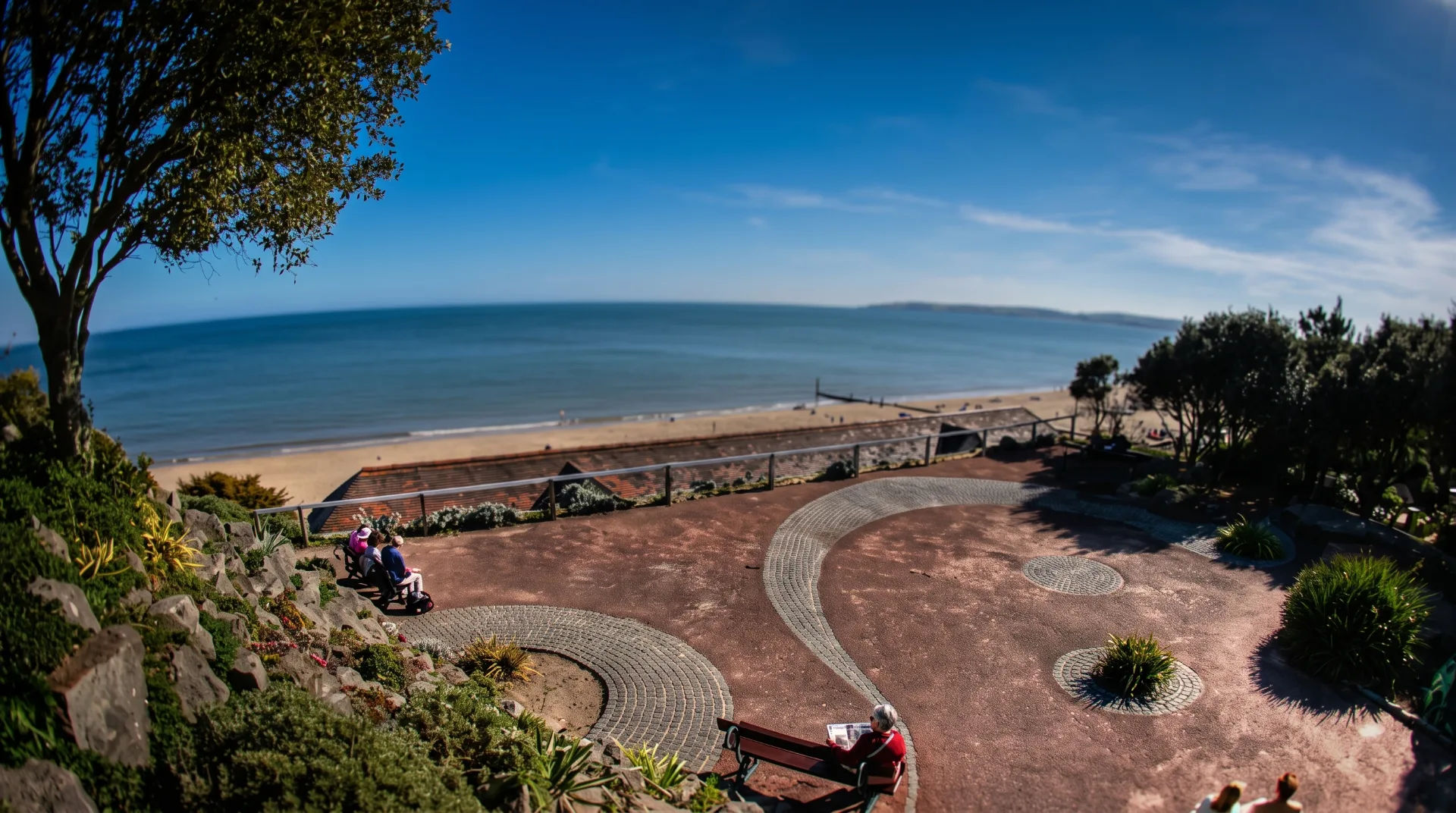
Alum Chine Tropical Gardens: Located above Alum Chine beach, this garden was created in the 1920s with dry stone walls, paths, and borders. It features many exotic plants and provides panoramic views over Poole Bay.
Boscombe Chine Gardens: Accessible by the land train from Bournemouth Pier, these gardens include a children’s water play area, mini golf, and a café. The gardens are set along a chine (a steep-sided coastal valley) with diverse tree species and wildlife habitats.
Boscombe Overcliff Gardens: Clifftop gardens adjoining Boscombe Chine, with sweeping views over Poole Bay and a nature reserve that supports rare wildlife, including a small herd of feral goats.
Meyrick Park: One of Bournemouth’s largest parks, located about a 10-minute walk from the town centre. It features open grassland, sports facilities, and wooded areas.
Fisherman’s Walk Park: A smaller park near the town centre with its own bandstand, leading down to Fisherman’s Walk beach.
These Bournemouth parks gardens offer a range of recreational opportunities, from children’s play areas to sports pitches and peaceful woodland walks.
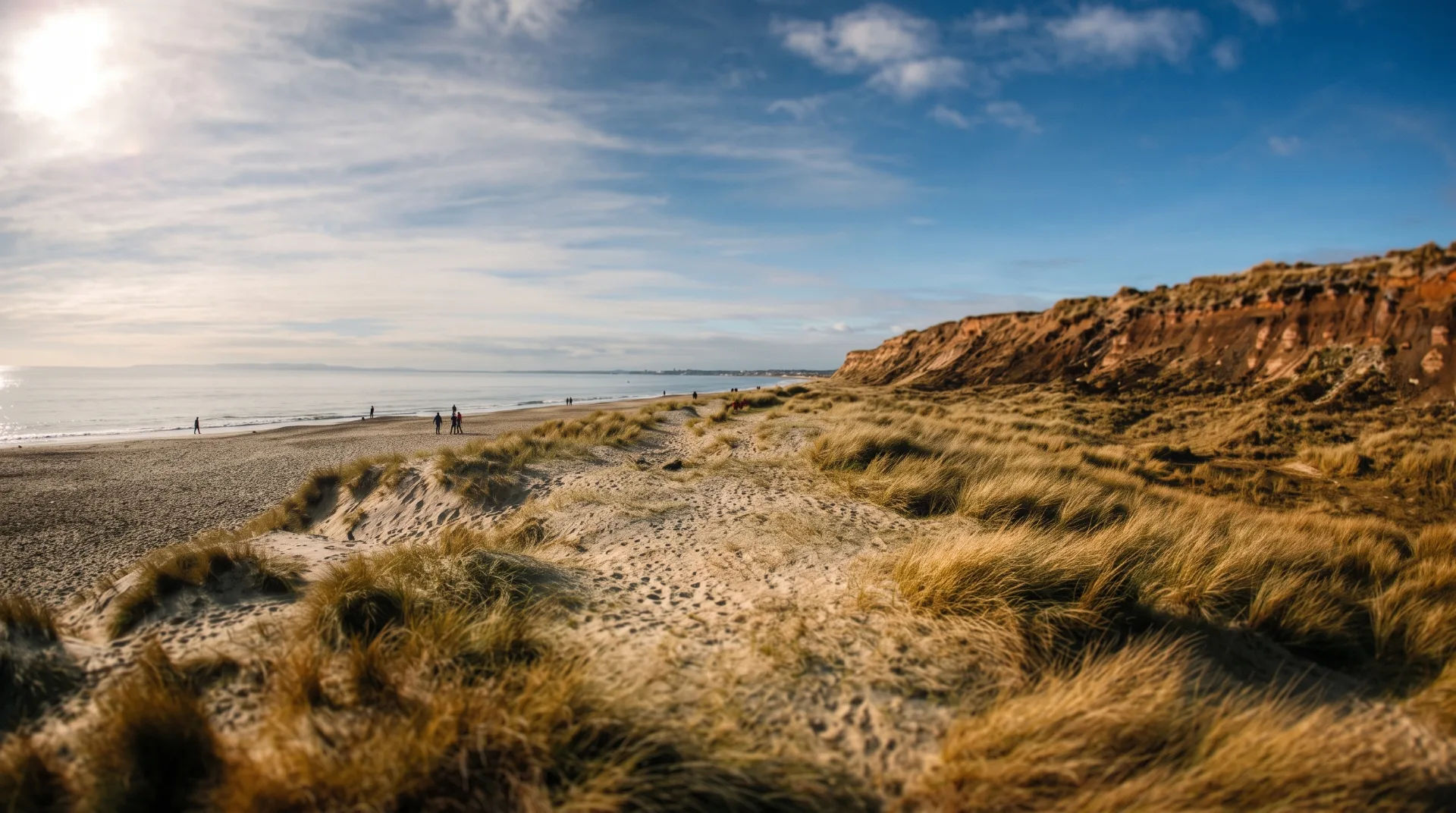
Bournemouth parks gardens for nature and wildlife
Bournemouth’s green spaces include ten designated nature reserves, providing important habitats for local flora and fauna. These Bournemouth parks gardens are managed to conserve biodiversity and offer opportunities for wildlife observation.
Hengistbury Head: Situated at the eastern end of Bournemouth’s coastline, Hengistbury Head is a nature reserve with pebble beaches, clay and ironstone cliffs, and varied habitats including heathland and salt marsh. The Visitor Centre provides information and guided walks. It won the TripAdvisor Travellers’ Choice Award in 2021.
Stour Valley Nature Reserve: This riverside reserve follows a two-mile stretch of the River Stour and forms part of the Stour Valley Way walking route. It features wetlands, meadows, and woodland, ideal for birdwatching and walking.
Turbary Common: The largest heathland area in north Bournemouth, Turbury Common is a Site of Special Scientific Interest (SSSI). It supports heathland plants and wildlife, including rare insects and birds.
Kinson Common: Another heathland and grassland reserve offering walking trails and nature spotting opportunities.
The Bournemouth parks gardens nature reserves have well-marked paths and some have information boards or wildlife quiz trails. They are suitable for visitors interested in ecology and quiet outdoor activities.
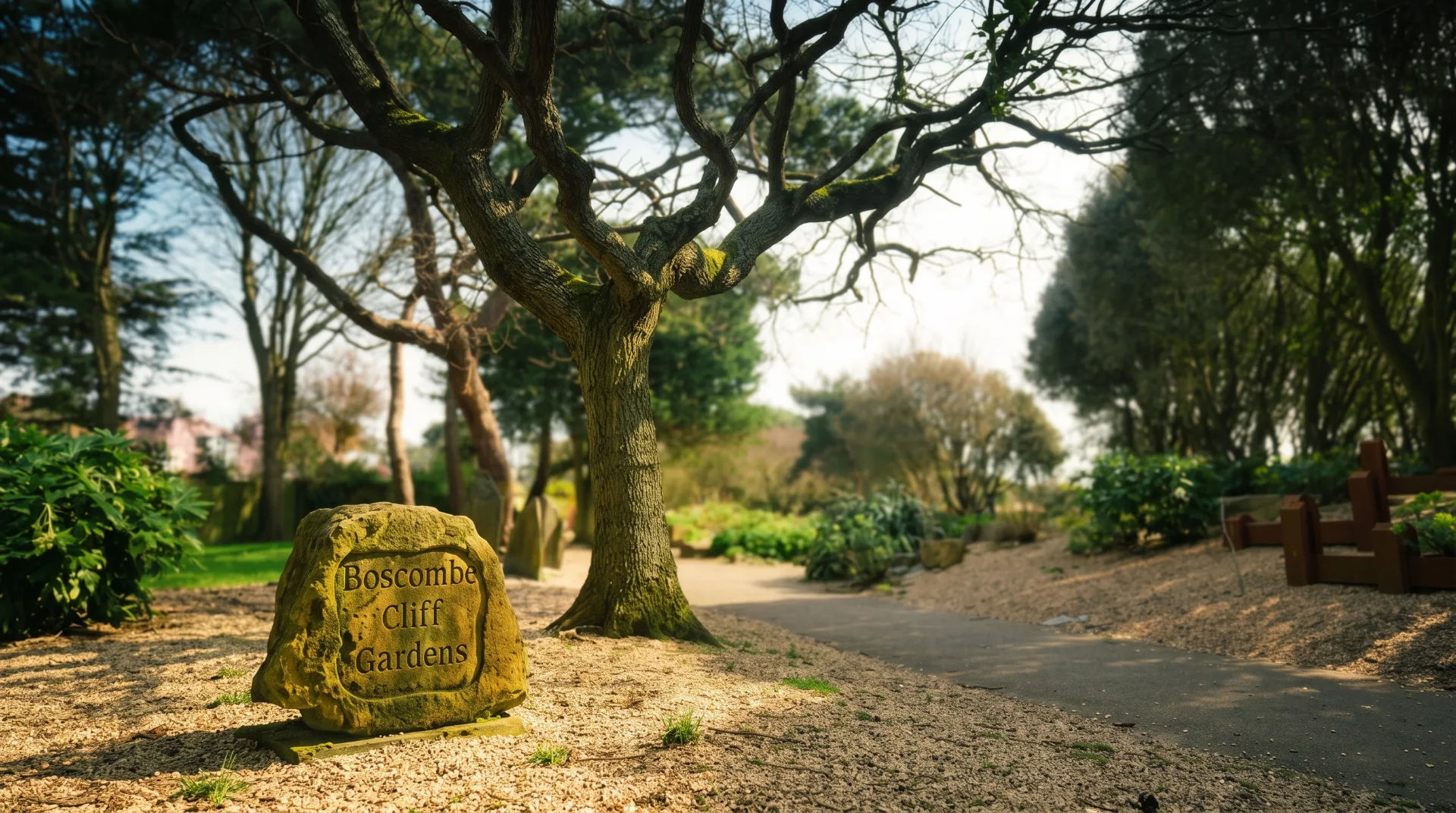
How to get to Bournemouth parks gardens
Most of Bournemouth’s parks and gardens are easily accessible on foot or by public transport from the town centre.
The Lower, Central, and Upper Gardens run through the town centre and are within a 10-minute walk of Bournemouth railway station.
The land train service runs regularly from Bournemouth Pier to Boscombe Chine Gardens, providing a convenient and scenic way to travel along the seafront.
Alum Chine Tropical Gardens and Boscombe Overcliff Gardens are accessible by bus routes serving the West Cliff and Boscombe areas.
Hengistbury Head can be reached by car or bus from Bournemouth town centre, with parking available near the Visitor Centre.
Meyrick Park lies about 1 mile north of the town centre, reachable by bus or a 20-minute walk.
Bournemouth’s network of cycle paths also connects many Bournemouth parks gardens, making cycling a practical option for visitors.
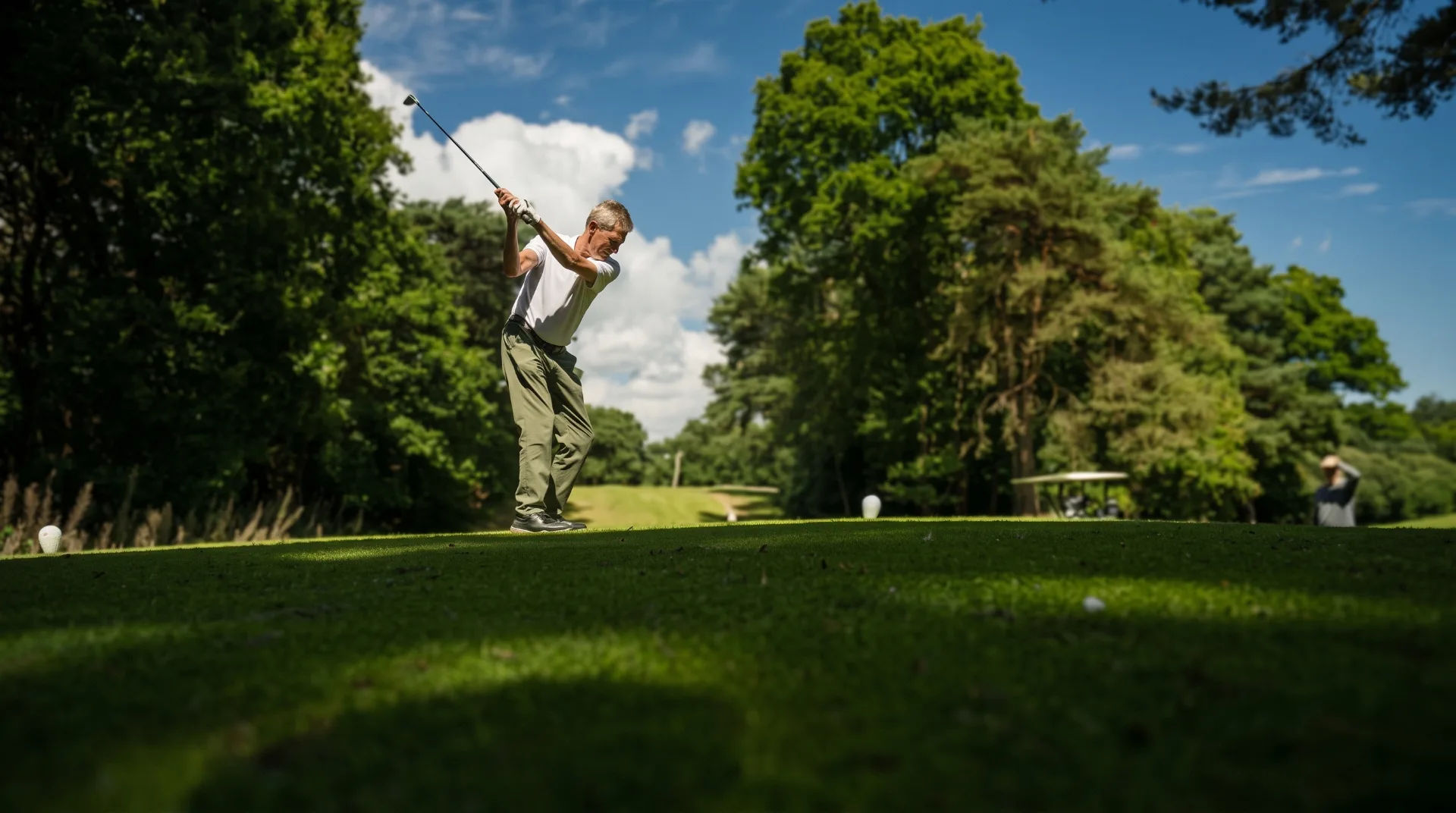
Facilities and activities in Bournemouth parks gardens
Bournemouth’s parks and gardens offer a range of facilities to suit different visitors:
Play areas: Boscombe Chine Gardens has a children’s water play area, and many parks have playgrounds suitable for toddlers and older children.
Sports facilities: Meyrick Park includes tennis courts and open spaces for football and cricket. Queen’s Park Golf Course, set in mature parkland, is a championship standard course located north of the town centre.
Walking and cycling paths: The gardens and nature reserves have well-maintained paths, including the Bournemouth Tree Trail, a circular walk highlighting 17,000 street trees and 30,000 trees in parks.
Wildlife and birdwatching: The aviary in Lower Gardens houses around 200 birds. Nature reserves provide opportunities to see rare plants, birds, and insects.
Events and concerts: The bandstand in Lower Gardens hosts summer concerts and seasonal events. Gardens often feature floral displays and art exhibitions.
Cafés and refreshment kiosks are located in some parks, such as Boscombe Chine Gardens and near the Lower Gardens bandstand.
When is the best time to visit Bournemouth parks gardens?
Bournemouth’s parks and gardens can be enjoyed year-round, with seasonal variations in planting and activities:
Spring and summer: The floral bedding displays in the Lower Gardens are at their peak, and outdoor events such as concerts and festivals take place. Wildlife is active in nature reserves.
Autumn: Tree colours change, providing scenic walks especially along the Tree Trail and in wooded areas like the Upper Gardens.
Winter: Gardens are quieter, allowing for peaceful strolls. Some parks have winter planting schemes and look out for seasonal events in the town.
Opening times for Bournemouth parks gardens are generally dawn to dusk. Some facilities, such as cafés and visitor centres, may have seasonal hours.
Who are Bournemouth parks gardens suitable for?
Bournemouth’s parks and gardens cater to a wide range of visitors:
Families: Play areas, water features, and open spaces make many parks ideal for children. Boscombe Chine Gardens and Lower Gardens are particularly family-friendly.
Nature enthusiasts: The nature reserves and wildlife habitats offer rich experiences for birdwatchers, botanists, and walkers.
Fitness and leisure: Walking and cycling routes through the gardens and parks provide accessible exercise options. Sports facilities cater to tennis, golf, cricket, and football.
Visitors with mobility needs: The central gardens have paved paths and are mostly flat, suitable for wheelchairs and pushchairs. Some nature reserves have accessible trails; check individual sites for details.
Cultural visitors: The bandstand concerts, art exhibitions, and historic garden features appeal to those interested in local heritage and events.
For accommodation near the gardens, serviced apartments on the West Cliff such as those offered by Flexiestays provide convenient access to the seafront and parks.
Selected Bournemouth parks gardens at a glance
| Park or Garden | Key Features | Location |
|---|---|---|
| Lower Gardens | Floral displays, bandstand, aviary | Town centre, seafront |
| Central Gardens | Victorian features, war memorial | Between Lower and Upper Gardens |
| Upper Gardens | Exotic trees, woodland boardwalks | Towards Poole |
| Alum Chine Tropical Gardens | Exotic plants, bay views | West Cliff, near Alum Chine beach |
| Boscombe Chine Gardens | Water play, mini golf, café | Boscombe seafront |
| Hengistbury Head | Nature reserve, visitor centre | Eastern coastline |
| Meyrick Park | Sports facilities, open grassland | North of town centre |
| Stour Valley Nature Reserve | Riverside walks, wildlife | On River Stour |
For further exploration of Bournemouth’s outdoor attractions, see the Things to Do section, which includes detailed guides to Beaches and Attractions. To plan your visit with transport and weather details, visit Visitor Information. For official information on Bournemouth’s parks and green spaces, see BCP Council. For background on Bournemouth, visit Wikipedia. For Dorset visitor information, see Visit Dorset.