
Nepal flash flood missing travellers include 12 British nationals
A flash flood in Nepal's Rasuwa district has left 12 British travellers among 384 missing. Rescue operations continue amid widespread destruction and safety warnings.
Flash Flood in Nepal Leaves British Travellers Among Those Missing in Rasuwa District
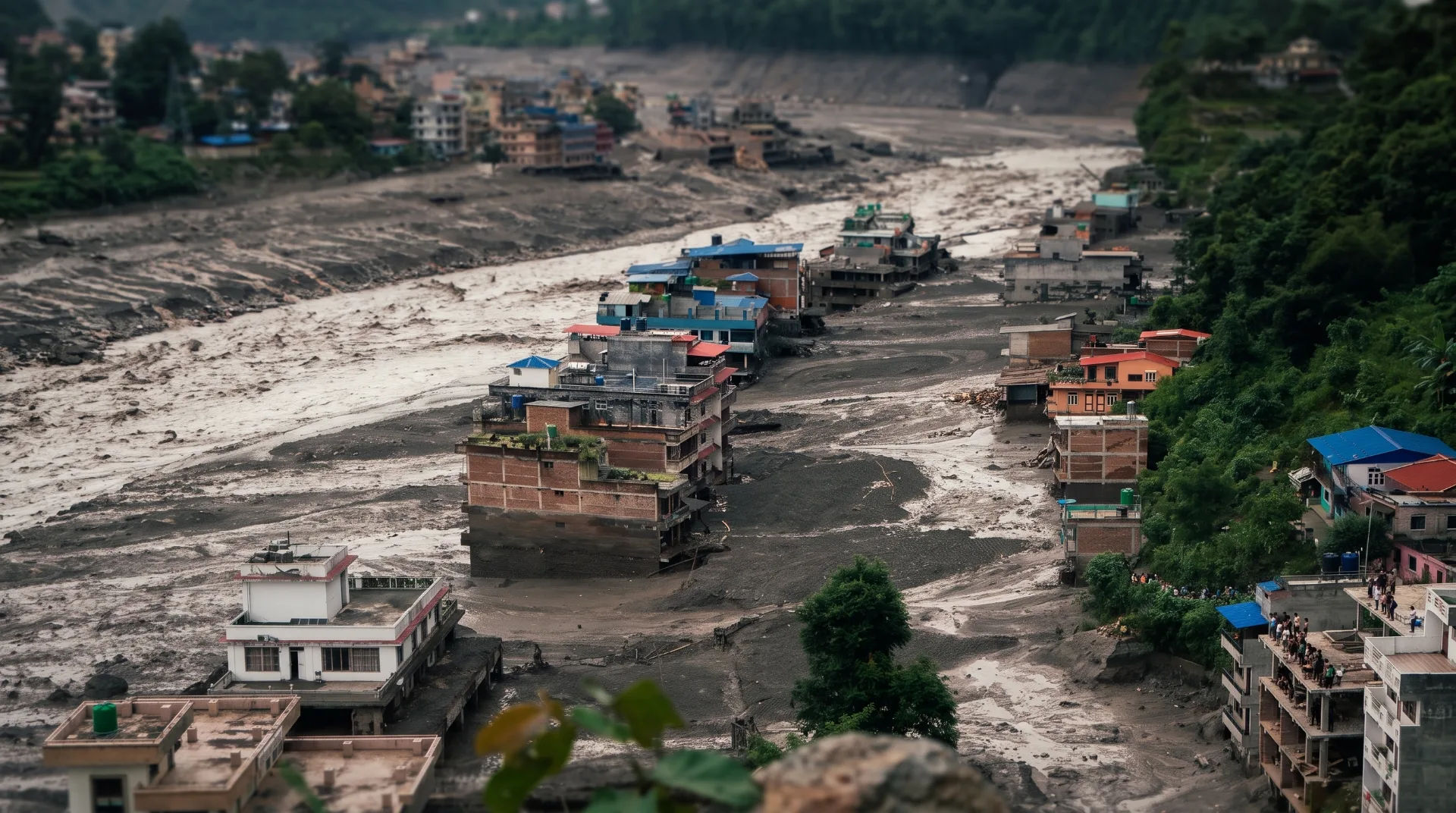
A tragic Nepal flash flood missing incident has unfolded in the Rasuwa district near the Nepal-Tibet border, where a sudden and devastating flash flood has left 384 travellers unaccounted for, including 12 British nationals. This natural disaster has caused widespread destruction, with rescue efforts continuing amid difficult and dangerous conditions. The scale of the tragedy and the ongoing search for those missing have drawn international attention and concern.
What Happened in the Rasuwa District During the Nepal Flash Flood Missing Crisis?
The flash flood struck early on a Wednesday morning at around 8.30am local time on the Tibetan side of the Bhote Koshi River. A massive wall of mud and rock collapsed into the river, triggering a catastrophic flood that surged downstream into Nepal’s Rasuwa district. Verified video footage captured the terrifying moment when dozens of people were swept away by the fast-moving waters, raising fears of high casualties and widespread damage.
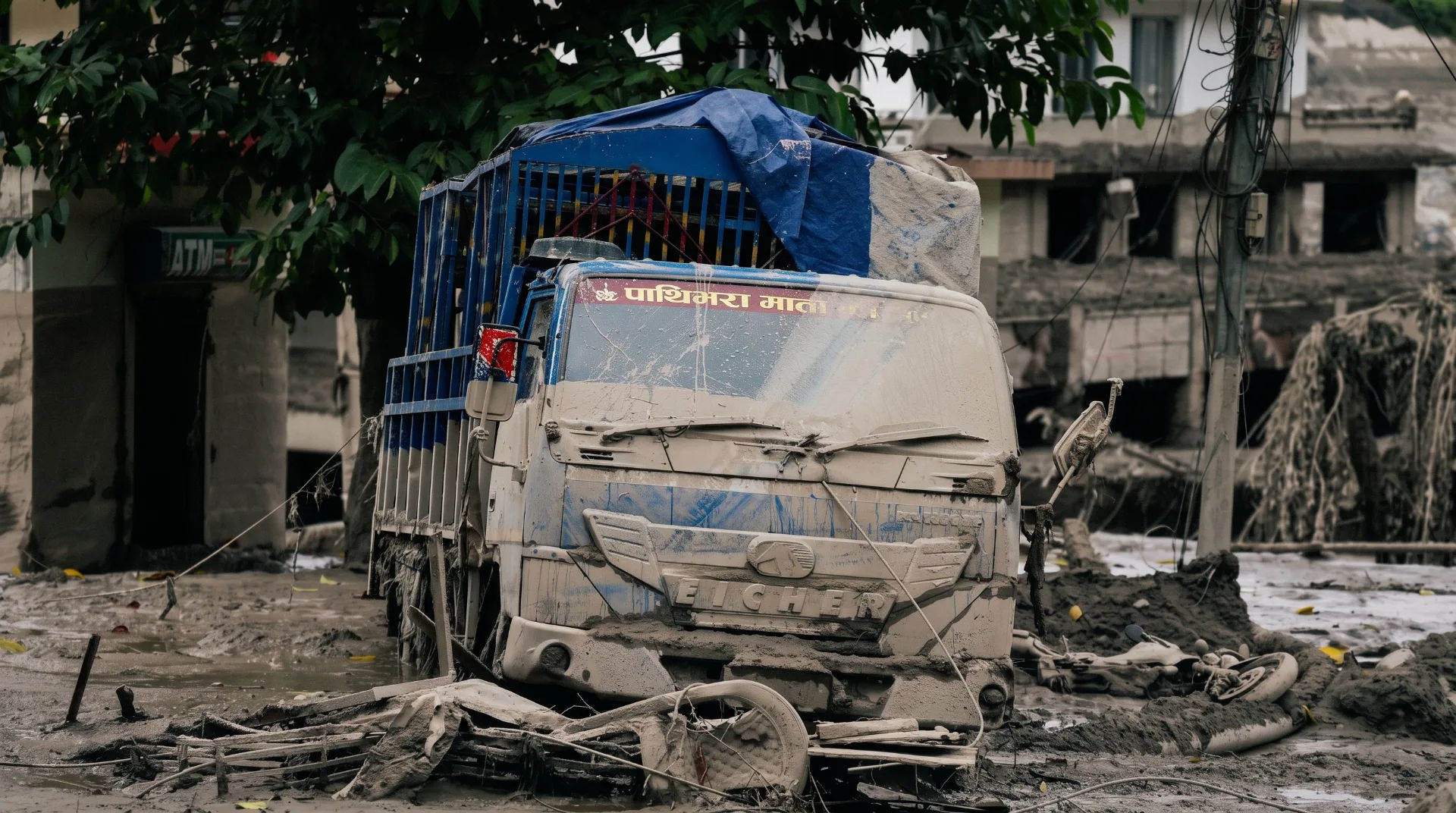
Local authorities in Nepal have reported extensive destruction, including the loss of houses, roads, and power infrastructure. On the Tibetan side, officials in Gyirong county expressed grave concerns over major casualties following a mudslide that struck a border land crossing. The disaster has disrupted transport links and left many communities isolated.
Who Are the Missing Travellers in the Nepal Flash Flood Missing Tragedy?
Among the 384 people reported missing, 12 are British citizens, including a 13-year-old girl. These British nationals were part of a guided tour operated by Alpine Eco Trek, a company specialising in trekking and expeditions across Nepal. The ages of the missing British travellers range from 13 to 65 years, reflecting a diverse group of adventurers caught in the disaster.
In addition to the British group, four South Africans and four Nepalis travelling with the same tour are also missing. More than 100 of the missing individuals have yet to have their nationalities confirmed, complicating rescue and identification efforts. The Nepal flash flood missing situation has prompted urgent coordination between embassies and local authorities to account for all affected travellers.
How Are Authorities Responding to the Nepal Flash Flood Missing Crisis?
The British embassy in Kathmandu has issued urgent advice for people in the affected areas to follow local safety guidelines and remain vigilant. A joint statement from the embassies of Australia, the EU, Finland, France, Norway, and Switzerland expressed solidarity with Nepal and urged adherence to official advisories as the situation develops.
Local authorities have warned tourists in Rasuwa and along the Bhote Koshi and Trishuli rivers to exercise extreme caution. Visitors are advised to stay in safe areas, move to higher ground if necessary, and maintain regular contact with hotels and travel agencies. Those planning trips to the region are strongly encouraged to postpone their journeys until conditions stabilise.
The Nepal flash flood missing event has mobilised rescue teams, including military and local volunteers, who are working under difficult terrain and weather conditions. Helicopters and ground search parties continue to comb the affected areas for survivors and recover bodies.
The Scale and Impact of the Nepal Flash Flood Missing Disaster
So far, 95 bodies have been recovered, underscoring the deadly nature of the flood. The disaster has caused severe damage to infrastructure, homes, and livelihoods in the region. Initial reports suggest that an earthquake triggered an avalanche, which then caused the flash floods, compounding the scale of the catastrophe.
South Korea’s foreign ministry has reported eight South Korean workers missing at a hydropower plant site, with another 10 stranded nearby. This highlights the wide-reaching impact of the disaster on both local residents and foreign nationals.
The Nepal flash flood missing crisis is a stark reminder of the vulnerability of mountainous border regions to sudden natural disasters. The destruction to roads and communication lines has hampered rescue operations and delayed aid delivery.
What Can Travellers Learn from the Nepal Flash Flood Missing Event?
This tragic event emphasises the critical importance of understanding natural disaster risks when travelling, especially in mountainous and border regions such as Nepal and Tibet. Travellers should take several precautions to stay safe:
- Monitor local news and weather reports from reliable sources such as the Met Office.
- Register with their embassy or consulate before travelling abroad.
- Follow guidance from local authorities and trusted travel operators.
- Prepare contingency plans for emergencies, including evacuation routes and communication methods.
For those planning trips abroad, our Visitor Information section offers practical advice and updates to help ensure safe and enjoyable travel experiences.
Understanding the Risks of Flash Floods in Mountainous Regions
Flash floods like the one in Nepal often occur with little warning in mountainous areas where heavy rainfall, avalanches, or landslides can suddenly release large volumes of water and debris. The steep terrain accelerates water flow, increasing the potential for destruction.
The Nepal flash flood missing incident highlights how quickly conditions can deteriorate and why travellers should remain alert to weather warnings and local advice. The region’s complex geography and unpredictable weather patterns make it essential to plan carefully and be prepared for emergencies.
Support and Resources for Families of the Missing
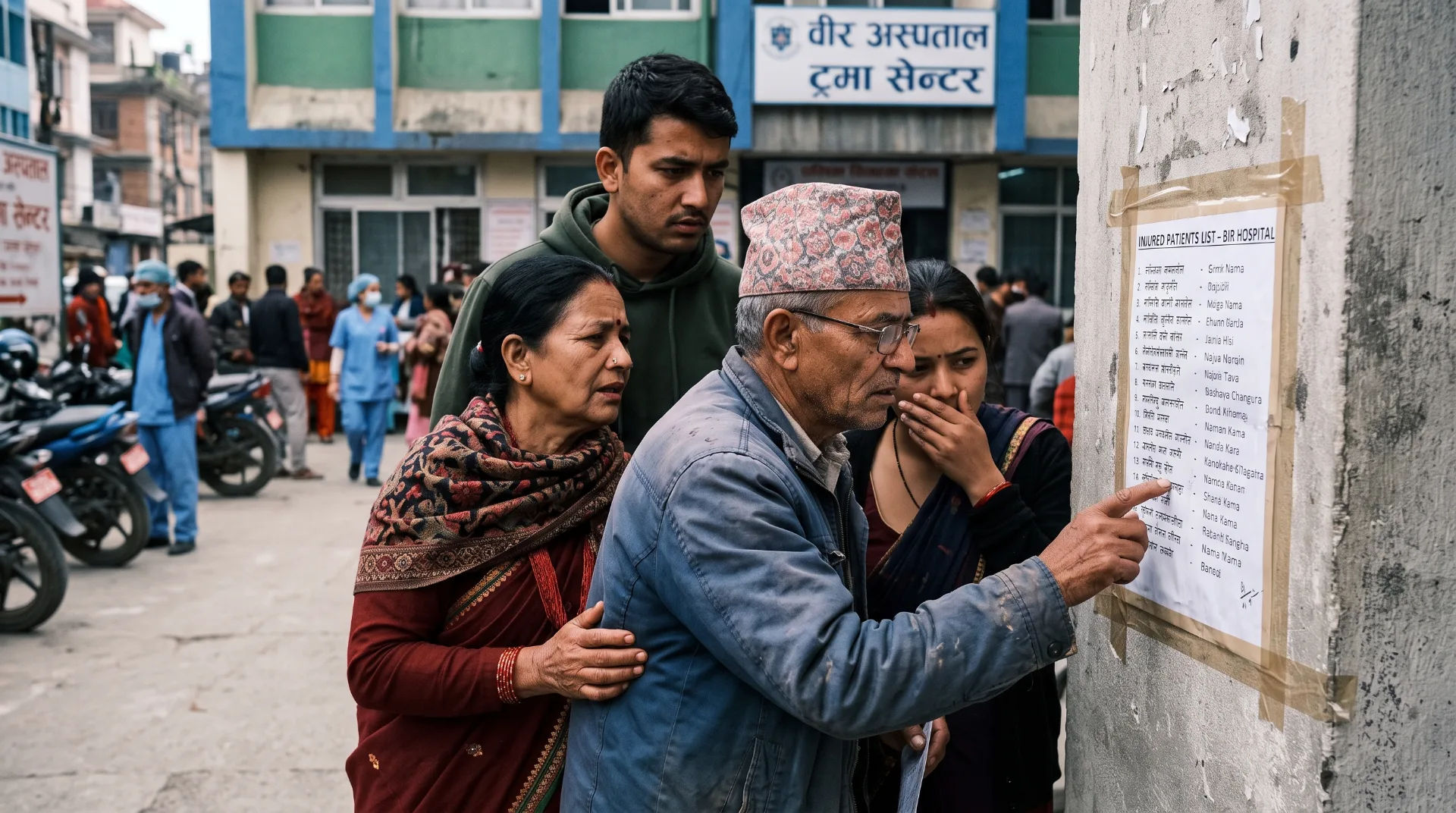
Families of those missing in the Nepal flash flood missing tragedy face immense uncertainty and distress. Embassies and aid organisations are providing support, including counselling and assistance with travel and communication.
Efforts are underway to establish clear communication channels and update families regularly as rescue operations progress. International cooperation is crucial in managing the humanitarian response and ensuring that those affected receive the help they need.
Images from the Disaster
Photograph: Navesh Chitrakar/Reuters
Photograph: Monika Malla/Reuters
For more information on natural disasters and safety, visit the GOV.UK travel advice pages. To learn more about Nepal and the region, see Wikipedia: Nepal.
If you are planning a trip abroad, consider reading our Visitor Information for tips and updates. For local inspiration on things to do when you return, explore our Things to Do and Attractions sections. If you want to relax by the sea, our Beaches guide is a perfect place to start.
For the latest news and updates on this developing story, follow reliable news sources and official government channels.
Flash floods on Nepal/Tibet border, latest updates
Explore more about natural disasters and extreme weather affecting travel and safety. For insights on planning your next trip, see our Things to Do, Beaches and Attractions sections for local inspiration.
Frequently asked questions
What caused the flash flood in Nepal's Rasuwa district?
The flash flood was triggered when a wall of mud and rock collapsed into the Bhote Koshi River on the Tibetan side, causing catastrophic flooding on the Nepali side. Initial reports suggest that an earthquake led to an avalanche, which in turn caused the floods. This event led to widespread destruction, including damage to houses, roads, and power projects.
How many British travellers are missing due to the flash flood?
Twelve British nationals are among the 384 people reported missing following the flash flood in the Rasuwa district. The missing British travellers were part of a guided tour operated by Alpine Eco Trek and include individuals aged between 13 and 65 years, with one of the missing being a 13-year-old girl.
What advice have authorities given to travellers in the affected areas?
Local authorities have urged tourists in Rasuwa and along the Bhote Koshi and Trishuli rivers to exercise extreme caution, stay in safe areas, and move to higher ground if necessary. Visitors are encouraged to maintain regular contact with hotels and travel agencies. Those planning to visit the affected regions are advised to postpone their journeys and follow all local safety guidelines.
What is the current status of rescue efforts and casualties?
Rescue efforts are ongoing amid challenging conditions. So far, 95 bodies have been recovered, and many people remain missing. The disaster has caused significant damage to infrastructure and homes, and officials anticipate a high number of casualties. Authorities continue to work to locate missing persons and provide assistance.
Who else besides British nationals are reported missing?
In addition to the 12 British nationals, four South Africans and four Nepalis travelling with the same tour group are reported missing. Furthermore, more than 100 missing individuals have yet to have their nationality confirmed. South Korea’s foreign ministry also reported eight South Koreans missing who were working on a hydropower plant in the area.
What should travellers learn from this event regarding travel safety?
This tragic event underscores the importance of being aware of natural disaster risks, especially when travelling in mountainous and border regions like Nepal and Tibet. Travellers are advised to monitor local news and weather reports from reliable sources, register with their embassy or consulate, follow guidance from local authorities and travel operators, and have contingency plans for emergencies, including evacuation routes and communication methods.
How are international embassies responding to the disaster?
The British embassy in Kathmandu has urged people in affected areas to follow local advice and safety guidelines. Additionally, embassies from Australia, the EU, Finland, France, Norway, and Switzerland have expressed solidarity with Nepal and encouraged adherence to official safety advisories as the situation develops. These embassies continue to monitor the situation closely to support their nationals.

Comments (0)
No comments yet. Be the first to join the conversation.