
Nepal flash floods leave hundreds missing and homes destroyed
Devastating flash floods in Nepal's Rasuwa district have left hundreds missing and caused widespread destruction. The Red Cross is leading urgent rescue and relief efforts.
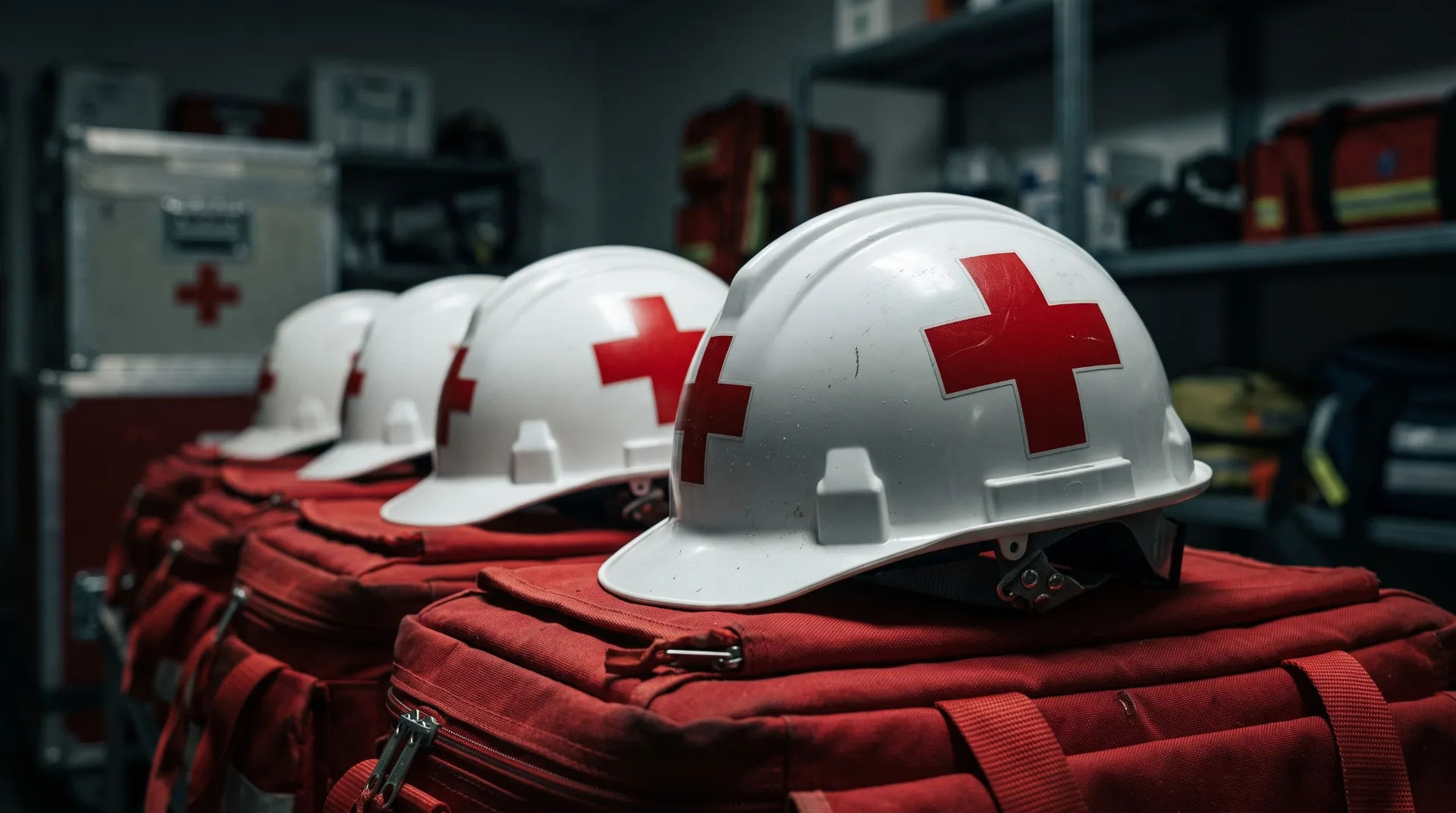
What is happening in Nepal? Hundreds of people are missing after major flash floods
Hundreds of people are missing after devastating Nepal flash floods swept through the border region with China. These sudden and severe floods have caused widespread destruction, displacing communities and prompting urgent humanitarian responses. Find out how the Red Cross is responding. Last updated 26 August 2026.
What has happened in Nepal?
On 26 August 2026, a major flash flood struck Nepal’s Rasuwa district, a mountainous area along the border with Tibet (China). The disaster was triggered by a sudden surge of water entering the Bhote Koshi River from Tibet, which overwhelmed the riverbanks and caused extensive flooding downstream. Communities including Timure, Rasuwagadhi and Syabrubesi were severely affected.
The floodwaters swept away homes, damaged infrastructure such as roads and bridges, and disrupted public services including electricity and communications. Many residents were forced to evacuate, and some remain missing amid ongoing search efforts. The scale of destruction has left families without shelter and basic necessities, creating an urgent need for humanitarian assistance.
The geography and vulnerability of Rasuwa district
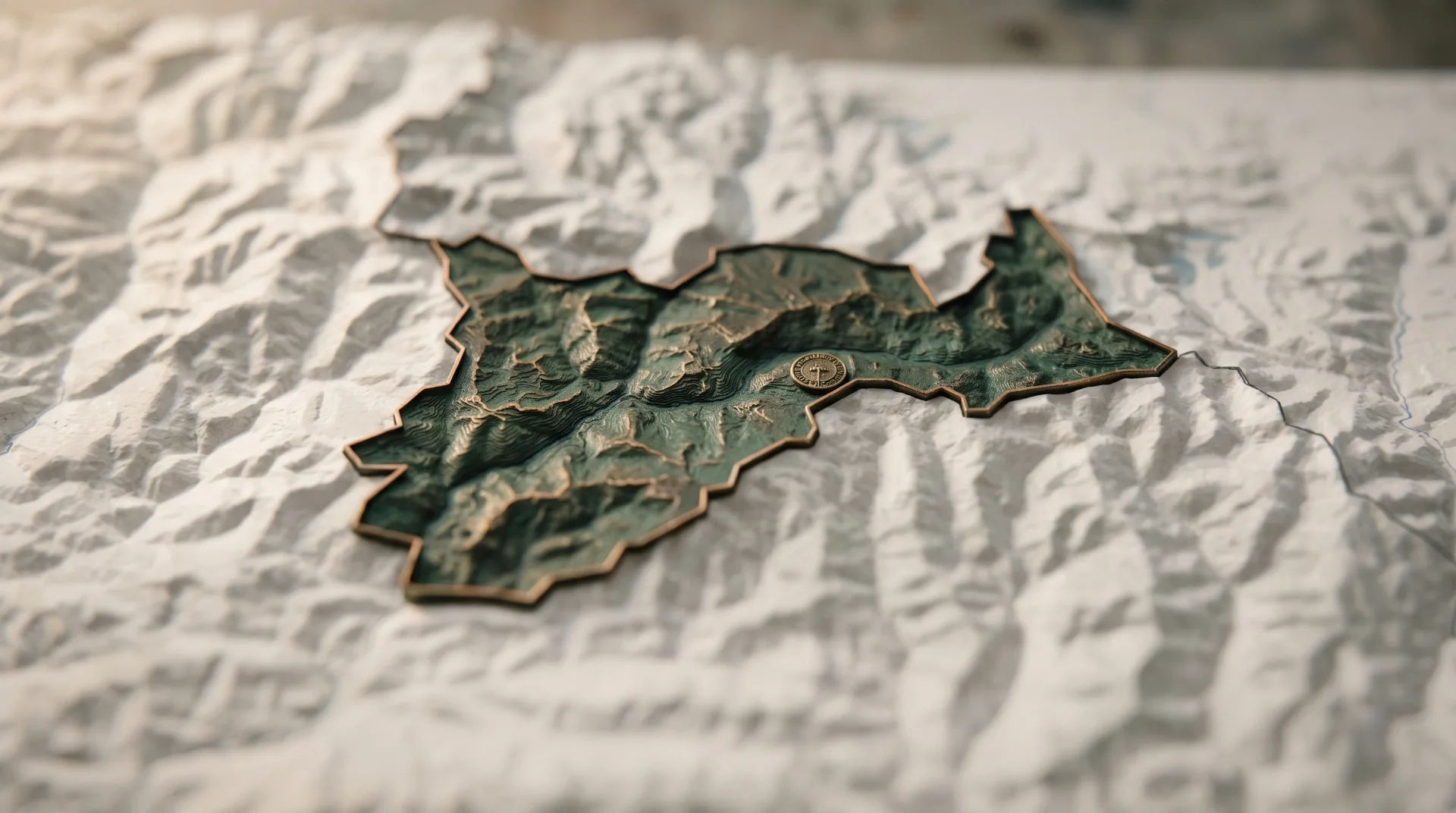
Rasuwa district is located in the Himalayan foothills, characterised by steep valleys and fast-flowing rivers. This terrain makes the area particularly vulnerable to flash floods, especially when sudden water surges occur upstream. The Bhote Koshi River, which flows from Tibet into Nepal, is prone to rapid changes in water volume during heavy rains or glacial melt events.
Communities in this region often live close to riverbanks due to limited flat land, increasing their exposure to flood risk. The combination of mountainous topography and climate factors means that flash floods can develop quickly and with little warning, making disaster preparedness and early warning systems crucial.
What is a flash flood?
A flash flood is a sudden and intense flood that develops rapidly, often within minutes or hours of heavy rainfall or a sudden release of water. Unlike regular floods, which may develop over days or weeks, flash floods strike with little warning and can be extremely dangerous.
In the case of the Nepal flash floods, the surge was caused not by rainfall alone but by a sudden influx of water from Tibet into the Bhote Koshi River. This could have been triggered by a glacier collapse, landslide, or dam breach upstream, all common causes of flash floods in mountainous regions.
According to the United Nations Office for Disaster Risk Reduction, a flash flood begins within six hours, and often within three hours, of a heavy rainfall event or water surge. This rapid onset leaves communities with little time to prepare or evacuate, increasing the risk of casualties and damage.
Why are flash floods so dangerous?
Flash floods carry powerful currents that can sweep away people, vehicles and buildings. The sudden rise in water levels can trap residents, especially in narrow valleys or near riverbanks. Debris such as rocks, trees and mud often accompany the floodwaters, causing further destruction.
In mountainous areas like Rasuwa, flash floods can also trigger secondary hazards such as landslides and road collapses, cutting off access for rescue teams. The destruction of infrastructure complicates emergency response and delays aid reaching affected communities.
What is the latest news from Nepal?
Communications disruptions and damaged access routes have made it difficult to fully assess the humanitarian impact of the Nepal flash floods. However, initial reports indicate that at least 22 people have died, with dozens more missing. The number of missing persons is expected to rise as rescue teams reach isolated areas.
Families in Rasuwa have seen their homes, livelihoods, infrastructure and public services damaged or destroyed within hours. Many have been displaced and are currently living in temporary shelters or with relatives. The full scale of human impact is still emerging as responders continue their efforts.
Communities downstream remain on high alert as water levels in the Bhote Koshi River are closely monitored to anticipate further flooding risks. Travel restrictions have been imposed in affected areas, and residents living near riverbanks have been urged to move to safer locations immediately.
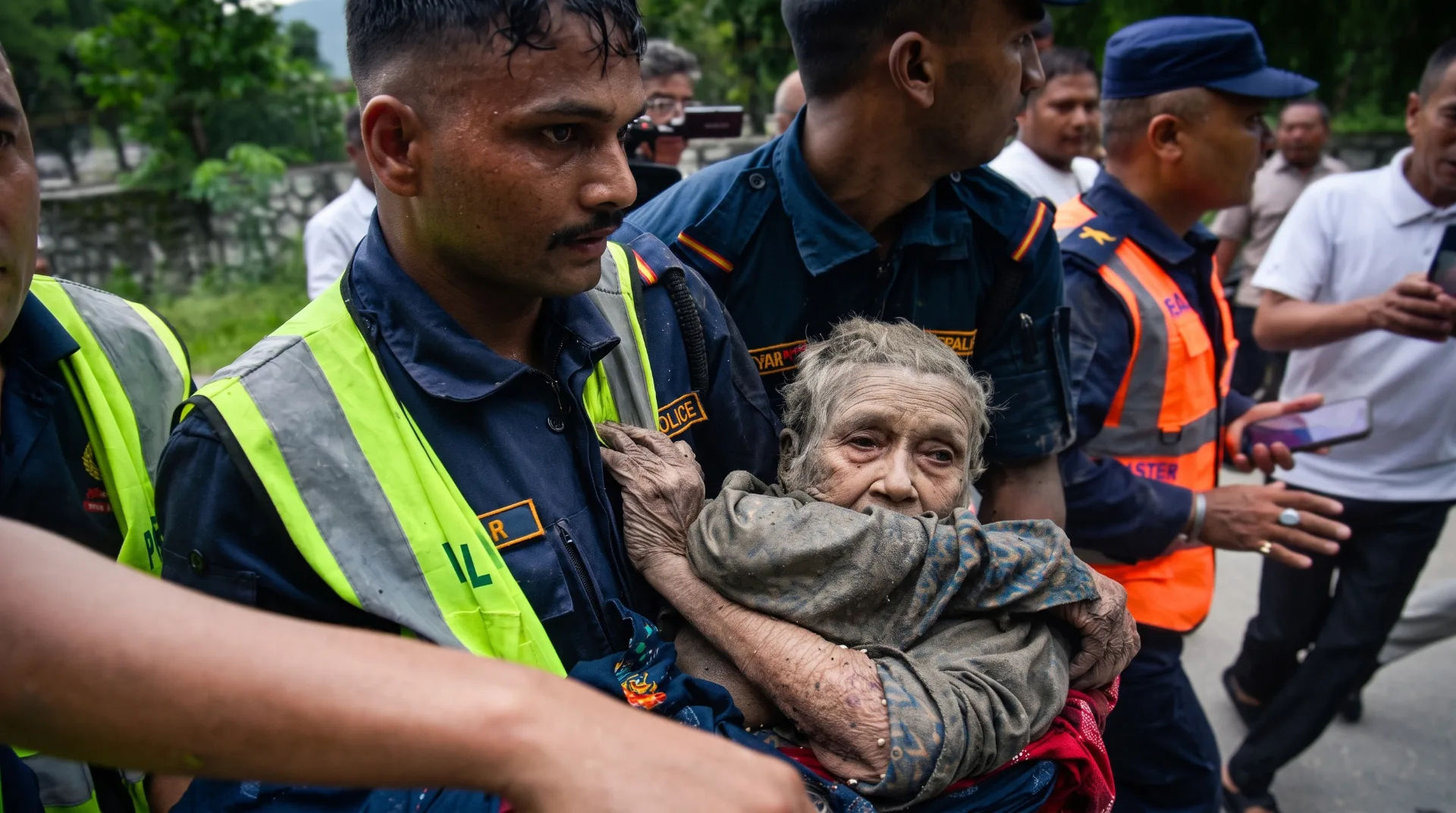
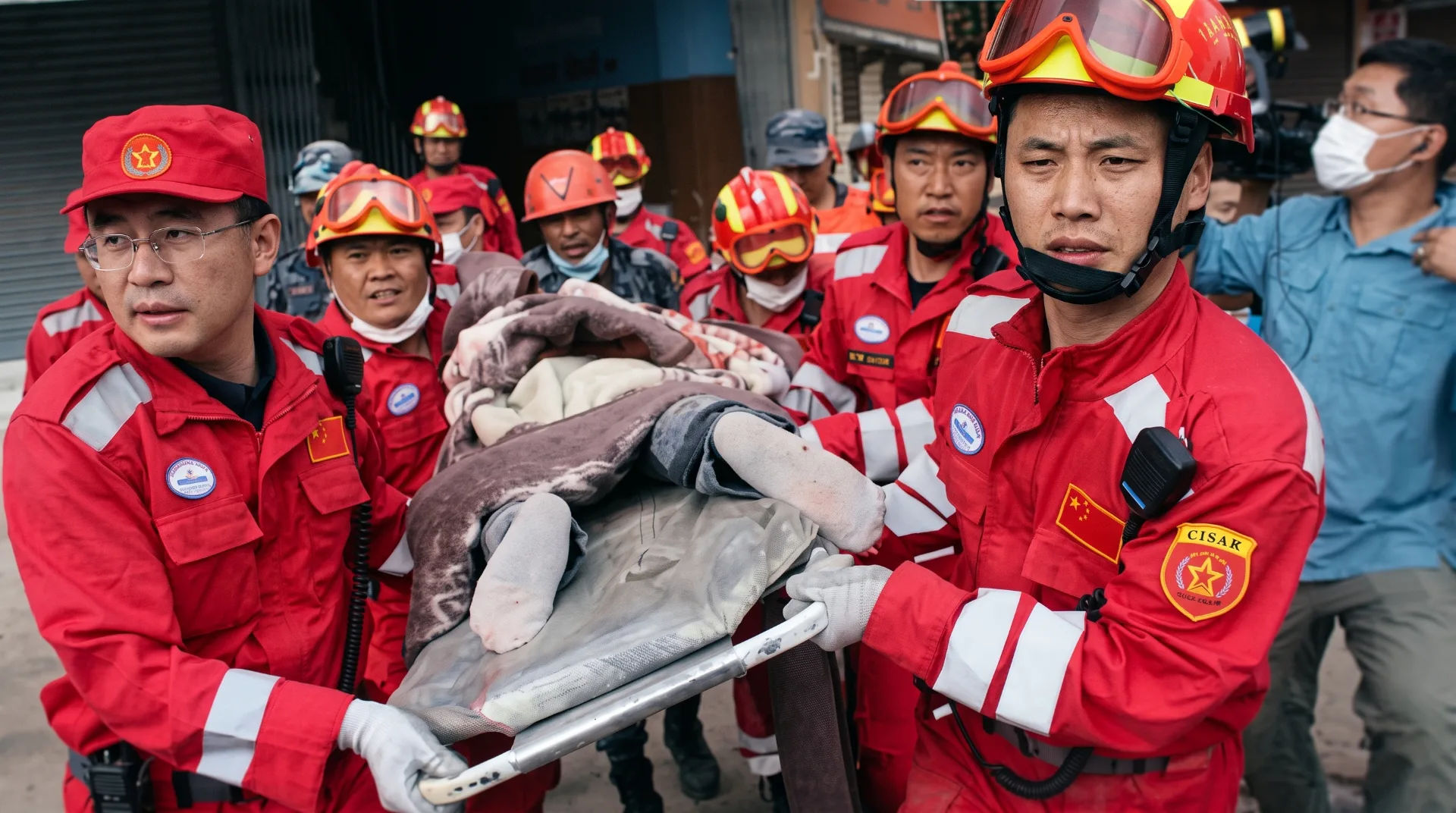
Government authorities, emergency services, medical teams and the Nepal Red Cross Society are coordinating search, rescue and relief operations. Helicopters and ground teams are being deployed to reach remote and cut-off villages, bringing food, water, medical supplies and shelter materials.
Challenges for rescue and relief efforts
The rugged terrain and damaged infrastructure pose significant challenges to rescue operations. Many roads and bridges have been washed away or blocked by landslides, limiting access to affected communities. Helicopter evacuations are being used where possible, but weather conditions and limited aircraft availability slow progress.
The disruption of communication networks hampers coordination and information sharing, making it difficult to locate missing persons and assess needs accurately. Emergency responders are working to restore connectivity and establish temporary communication hubs.
Health concerns are also rising, with risks of waterborne diseases increasing due to contaminated water supplies and poor sanitation in temporary shelters. Medical teams are providing urgent care and vaccinations to prevent outbreaks.
What is the Red Cross doing after the Nepal flash floods?
The Nepal Red Cross Society (NRCS) is Nepal's largest humanitarian organisation, with branches in all 77 districts and a nationwide network of more than 127,000 volunteers. The NRCS plays a vital role in disaster response and community resilience across the country.
As part of the International Red Cross and Red Crescent Movement, NRCS supports communities affected by disasters, health emergencies and other crises through emergency response, health services, blood programmes and community resilience initiatives.
In response to the Nepal flash floods, the Red Cross is actively involved in search and rescue operations, providing emergency aid, shelter, and medical support to those affected. Their volunteers are working tirelessly to reach isolated communities and deliver essential supplies, including food, clean water, blankets and hygiene kits.
NRCS teams are also assisting with evacuation efforts and helping to set up temporary shelters for displaced families. They are coordinating with government agencies and other humanitarian organisations to ensure a comprehensive response.
How can people help?
The scale of the disaster means that ongoing support is needed to assist survivors and rebuild communities. Donations to the Red Cross help fund emergency relief efforts, medical care, and longer-term recovery programmes.
Donate now to support the ongoing humanitarian efforts in Nepal.
For those interested in learning more about emergency responses and humanitarian aid, or looking for ways to help, the Red Cross website offers detailed information and opportunities to contribute.
Understanding the wider context of Nepal flash floods
Flash floods are a recurring hazard in Nepal due to its unique geography and climate. The country’s mountainous terrain, combined with monsoon rains and glacial melt, creates conditions that can lead to sudden floods and landslides.
Climate change is expected to increase the frequency and severity of such events, as rising temperatures accelerate glacier melting and alter rainfall patterns. This makes investment in early warning systems, infrastructure resilience and community preparedness more important than ever.
Disaster preparedness and community resilience
Nepal has been working to improve its disaster risk management through policies, training and infrastructure projects. Community-based disaster preparedness programmes educate residents on how to respond during floods and landslides, including evacuation routes and emergency supplies.
International partners and NGOs support these efforts by providing technical assistance, funding and capacity building. However, challenges remain due to limited resources, difficult terrain and the scale of the risks.
The recent Nepal flash floods highlight the urgent need for continued investment in disaster resilience to protect vulnerable communities and reduce future losses.
What can travellers and the international community do?
For travellers planning to visit Nepal, it is important to stay informed about weather conditions and potential hazards, especially during the monsoon season. Official travel advice from government websites such as GOV.UK provides up-to-date safety information.
The international community can support Nepal by contributing to humanitarian aid, funding disaster risk reduction projects and advocating for climate action to address the root causes of increasing flood risks.
Related information and local relevance
This tragic event highlights the importance of disaster preparedness and community resilience, themes also relevant to local emergency planning here in Bournemouth and Dorset. For more on local safety and community support, explore our Visitor Information page.
To keep up to date with local news and events, visit our Bournemouth News section.
For more on emergency responses and humanitarian aid, see the Red Cross website and related resources.
The Nepal flash floods of August 2026 serve as a stark reminder of the devastating impact sudden natural disasters can have, and the vital role of coordinated response efforts to save lives and support affected communities.
Frequently asked questions
What caused the flash floods in Nepal's Rasuwa district?
The flash floods were caused by a sudden surge of water entering the Bhote Koshi River from Tibet (China). This rapid influx of water led to widespread damage in communities such as Timure, Rasuwagadhi and Syabrubesi. The floodwaters destroyed homes, infrastructure and public services, displacing many residents.
What is a flash flood and why is it dangerous?
A flash flood is a sudden, intense flood that occurs within six hours, often within three hours, of heavy rainfall or a sudden water surge. Because of its rapid onset, communities have little time to prepare or evacuate, which increases the risk of casualties and damage. In Nepal, the flash flood was triggered by a sudden water release into a river valley.
What is the current situation in Nepal following the flash floods?
The full humanitarian impact is still unclear due to communication disruptions and damaged access routes. At least 22 people have died and dozens are missing. Many families have lost homes, livelihoods and access to public services. Authorities are monitoring water levels downstream and have imposed travel restrictions while urging residents near riverbanks to move to safer areas.
How is the Nepal Red Cross Society responding to the flash floods?
The Nepal Red Cross Society, Nepal's largest humanitarian organisation, is involved in search and rescue operations, providing emergency aid, shelter and medical support. Their network of over 127,000 volunteers is working to reach isolated communities and deliver essential supplies. They are part of the International Red Cross and Red Crescent Movement and support disaster response and community resilience across Nepal.
What safety measures are in place for communities downstream of the floods?
Communities downstream are on high alert as water levels are closely monitored. Travel restrictions have been implemented to prevent movement into dangerous areas. Residents living near riverbanks have been urged to relocate to safer locations to avoid further risk from rising floodwaters.
Where can people find more information or support the humanitarian efforts in Nepal?
More information about emergency responses and humanitarian aid can be found on the Red Cross website, which also offers opportunities to contribute. Donations can be made through the Red Cross general fund appeal. For official travel and safety guidance when planning trips abroad, including Nepal, the GOV.UK website provides up-to-date advice.



Comments (0)
No comments yet. Be the first to join the conversation.