
Nepal glacier collapse triggers deadly flash flood near border region
A glacier collapse near Nepal's border with Tibet caused a deadly flash flood on 26 August 2026, leaving over 300 missing and devastating the local environment.
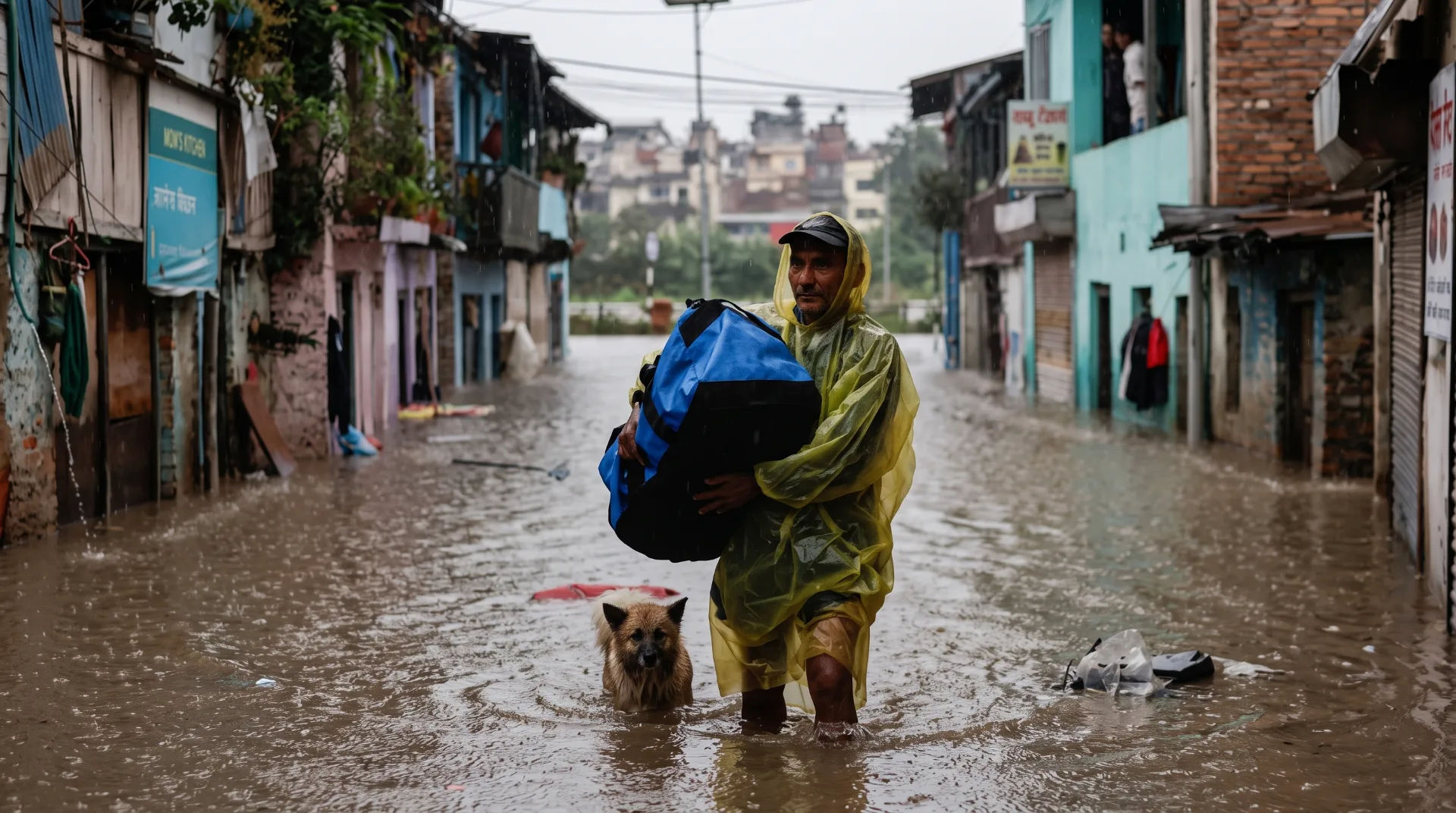
Glacier Collapse Likely Caused Deadly Flash Flood Near Nepal Border
What Happened in the Nepal Flash Flood?
The Nepal Glacier Collapse Event
A devastating flash flood struck near Nepal's border with Tibet on 26 August 2026. Experts say the disaster was triggered by a Nepal glacier collapse, when the lower part of a glacier broke off and crashed onto the valley floor hundreds of metres below. This sudden collapse caused a torrent of water and debris that swept through the area, leaving widespread destruction in its wake.
Satellite images from Planet Labs, reviewed by experts, show the lush green mountainside now buried under brown debris and sediment. This confirms the scale of the disaster. Vikram Gupta, an engineering geology specialist at India's Sikkim University, explained that a substantial portion of the glacier snout collapsed, likely including a large amount of rock and sediment mixed with the ice.
The Nepal glacier collapse sent a surge of water and debris rushing down the valley. This type of event is known as a glacial lake outburst flood or GLOF, though in this case it appears the collapse itself triggered the flood rather than a lake breach. The speed and volume of the flood overwhelmed the local landscape and communities.
Possible Causes of the Nepal Glacier Collapse
While the exact cause of the glacier collapse remains unclear, Nepali officials have suggested that an earthquake minutes earlier in the region may have contributed. The seismic activity could have destabilised the glacier, making it more likely to break off.
Additionally, earth scientist Dan Shugar from the University of Calgary noted that satellite imagery showed a large amount of snow had melted in the 24 hours before the disaster. This suggests a warm spell may have weakened the glacier, increasing the risk of collapse.
The Nepal glacier collapse highlights how multiple factors can combine to trigger such disasters. Earthquakes, sudden warming, and long-term glacier retreat all play a role in glacier stability.
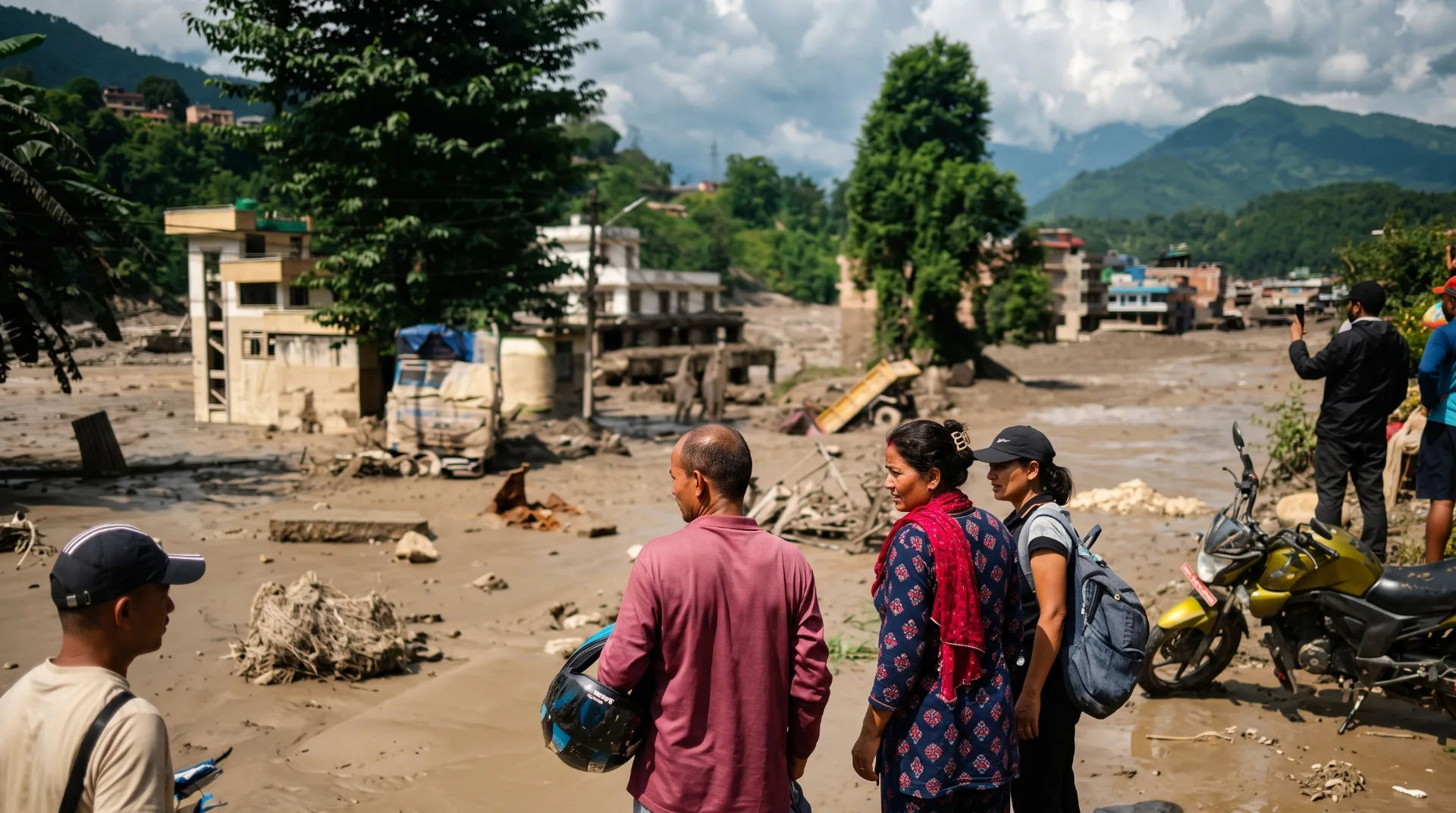
Impact and Aftermath of the Nepal Glacier Collapse Flood
Casualties and Missing Persons
Authorities on both sides of the Nepal-China border fear the total number of casualties will be far higher than the nearly 100 bodies recovered so far. Nepal's government has reported more than 300 travellers missing following the disaster. This highlights the scale of the tragedy and the challenges faced in rescue and recovery efforts.
The remote location and rugged terrain have complicated search operations. Many missing persons may still be trapped under debris or swept downstream. Local authorities continue to coordinate with international agencies to assist survivors and families.
Environmental Changes Observed After the Nepal Glacier Collapse
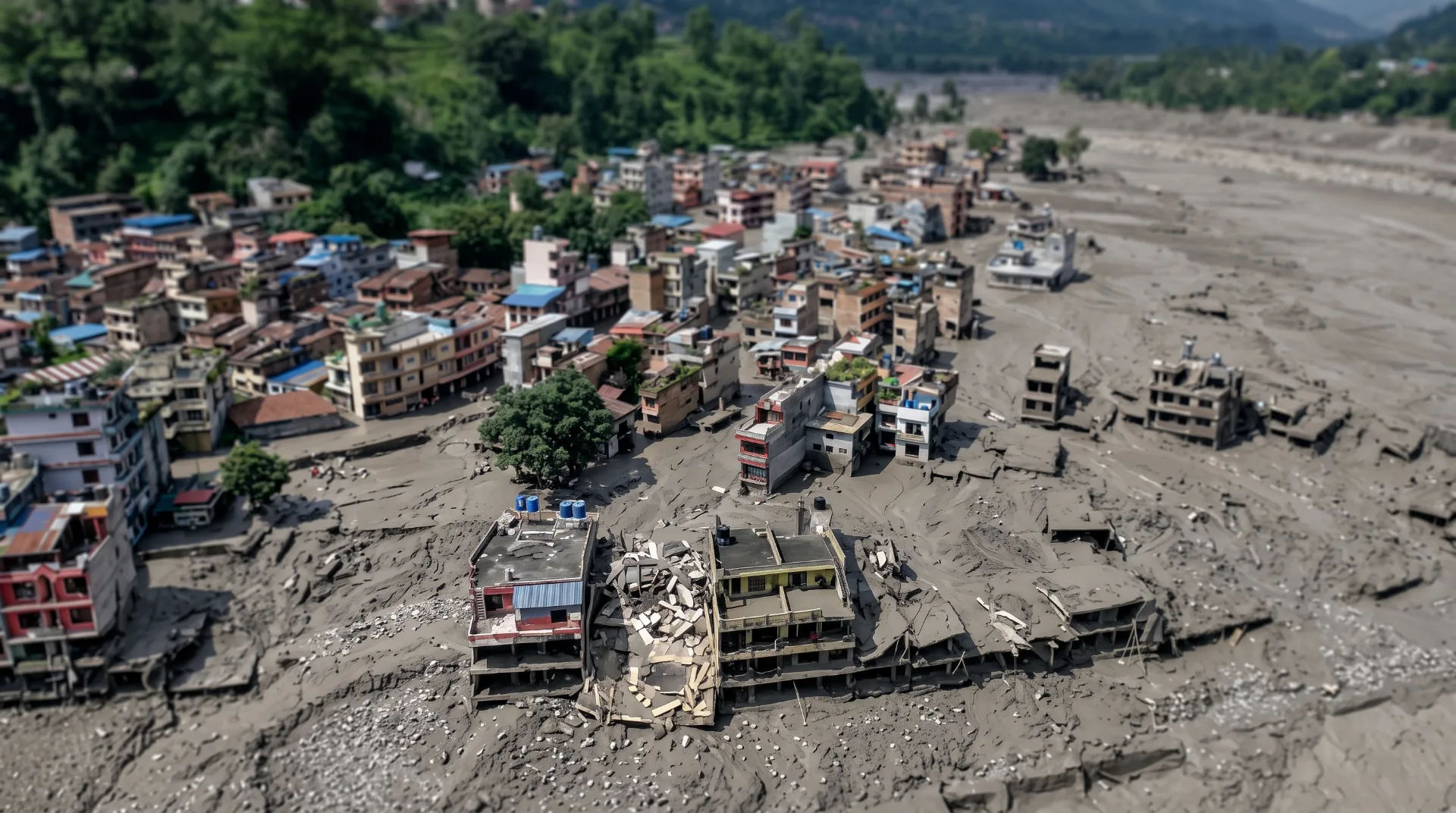
Before-and-after satellite images reveal the dramatic transformation of the region. What was once a green mountainside is now covered in debris and sediment. This illustrates the force of the flood and the volume of material displaced by the glacier collapse.
The landscape has been reshaped by the event. Rivers have changed course, vegetation has been stripped away, and new sediment deposits have altered the valley floor. These environmental changes will affect local ecosystems and communities for years to come.
Climate Change and Glacier Melting in Nepal
Long-Term Glacier Retreat and the Nepal Glacier Collapse
The Nepal glacier collapse is part of a wider pattern of glacier retreat linked to climate change. The United Nations reported in 2023 that Nepal's snow-capped mountains had lost close to one-third of their ice in just over 30 years due to global warming.
The glaciers in Nepal, located between two major carbon emitters, India and China, have been melting 65% faster in the last decade compared to the previous one. This rapid melting weakens glacier structures and increases the risk of collapses and related disasters.
The Role of Warming Temperatures in Glacier Instability
Dan Shugar highlighted that the glacier collapse coincided with a period of rapid snow melt, likely caused by warmer temperatures. Satellite images showed glaciers that were covered in snow one day were mostly bare ice the next. This indicates a sudden temperature rise.
Warming trends increase the risk of glacier instability and related natural disasters such as flash floods and landslides. The Nepal glacier collapse is a stark example of how climate change can accelerate these hazards.
Understanding Glacier-Related Natural Disasters and the Nepal Glacier Collapse
How Glacier Collapses Trigger Floods
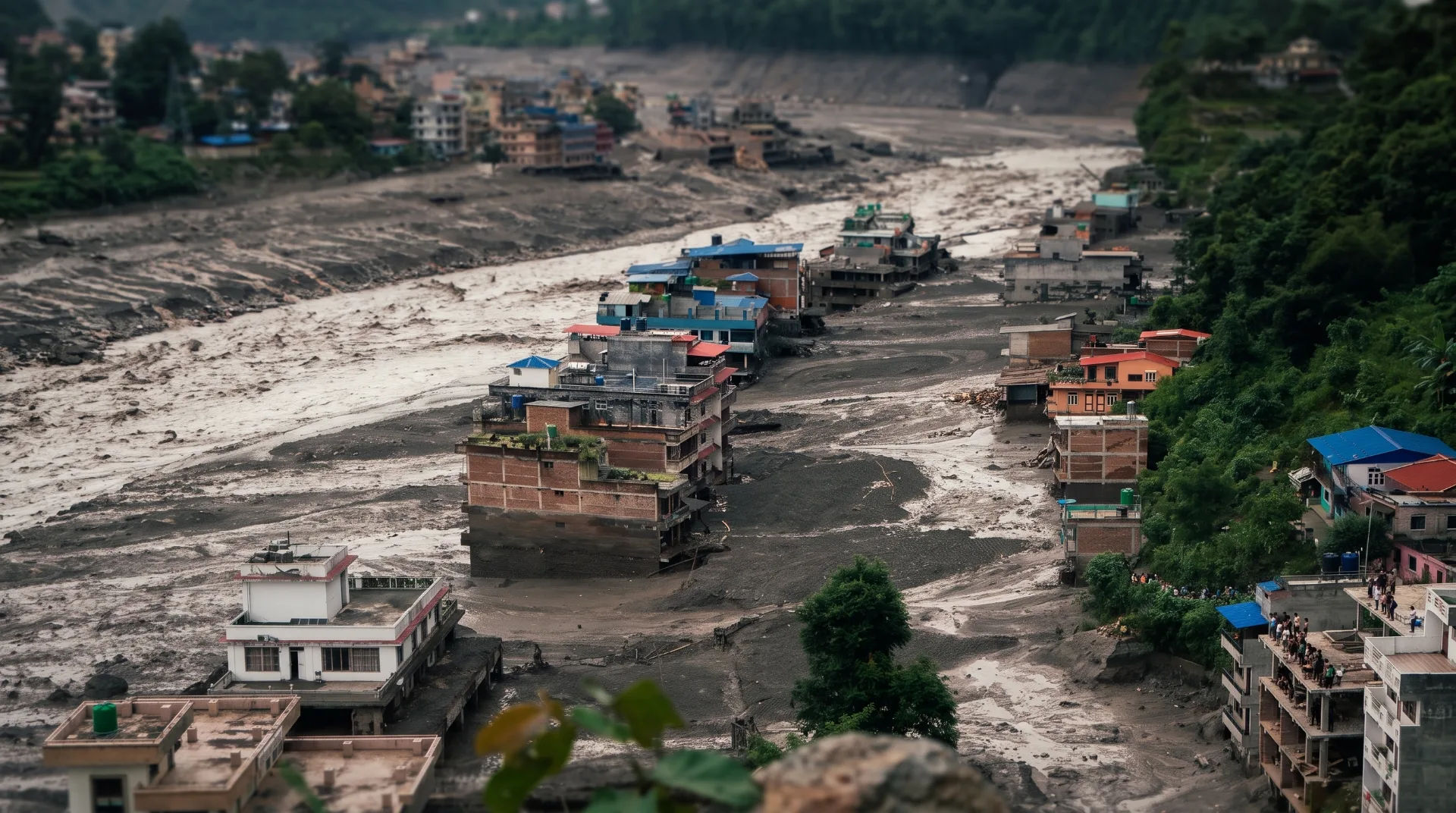
When a glacier breaks off suddenly, it can release a large volume of ice, rock, and sediment into the valley below. This material can block rivers or cause sudden surges of water. The result is often a flash flood downstream with devastating effects.
The Nepal glacier collapse released a massive surge of debris and water. This overwhelmed the valley and caused widespread damage to settlements, infrastructure, and the environment.
The Importance of Monitoring Glaciers to Prevent Disasters
Satellite imagery and other remote sensing technologies play a crucial role in monitoring glacier health. They help detect early signs of instability. Such monitoring can help predict potential disasters and inform emergency preparedness efforts.
Improved monitoring of glaciers in Nepal and the wider Himalayas is vital to reducing the impact of future glacier collapses and floods. Early warning systems can save lives and protect communities.
The Nepal Glacier Collapse in Regional and Global Context
Regional Vulnerability to Glacier Collapse and Flooding
Nepal's mountainous terrain and rapidly melting glaciers make it particularly vulnerable to natural disasters triggered by climate change. The combination of seismic activity and warming temperatures increases the risk of sudden glacier collapses and floods.
Communities in these high-altitude regions face ongoing threats from glacier-related hazards. Infrastructure development and disaster response must account for these risks.
Global Climate Implications of the Nepal Glacier Collapse
The rapid melting of glaciers in the Himalayas is a clear indicator of the broader impacts of global warming. These changes threaten local communities and ecosystems. They also have wider implications for water resources across Asia.
Glacier-fed rivers provide water for millions of people downstream. The Nepal glacier collapse underscores the urgent need for global climate action to protect these vital resources.
How to Stay Informed About Natural Disasters Like the Nepal Glacier Collapse
Reliable News Sources for Environmental Disasters
For up-to-date information on environmental disasters and climate-related news, trusted news agencies and scientific organisations provide timely updates. Subscribing to newsletters such as Reuters Sustainable Finance can help keep you informed about key developments.
Supporting Climate Action to Prevent Future Glacier Collapses
Understanding the causes and consequences of glacier collapse and related disasters underscores the importance of global efforts to reduce carbon emissions. Mitigating climate change impacts is essential to prevent further events like the Nepal glacier collapse.
For more on environmental issues and global news, visit Reuters.
Learn about climate change impacts and glacier monitoring at the United Nations and NASA Earth Observatory.
Explore more about natural disasters and climate in our news section.
For local information on travel and weather, see our Visitor Information page.
Frequently asked questions
What caused the flash flood near the Nepal border in August 2026?
The flash flood was likely triggered by the collapse of the lower part of a glacier, which broke off and fell onto the valley floor. This sudden collapse released a torrent of water, ice, rock, and sediment that swept through the area, causing widespread destruction. Experts believe this glacier collapse was the main cause of the deadly flood.
Did an earthquake contribute to the glacier collapse?
Nepali officials have suggested that an earthquake occurring minutes before the glacier collapse may have contributed to destabilising the glacier. The seismic activity could have weakened the glacier structure, making it more prone to breaking off. However, the exact cause of the collapse remains unclear and is thought to be a combination of factors.
How has climate change affected glaciers in Nepal?
According to a United Nations report from 2023, Nepal's glaciers have lost nearly one-third of their ice over just over 30 years due to global warming. The glaciers have been melting 65% faster in the last decade compared to the previous one. Warming temperatures cause rapid snow melt, which weakens glaciers and increases the risk of collapses and related natural disasters like flash floods.
What was the scale of the disaster in terms of casualties and missing people?
Authorities reported nearly 100 bodies recovered so far, but they fear the total number of casualties is much higher. More than 300 travellers remain missing following the flood, indicating the large scale of the tragedy. The disaster affected communities on both sides of the Nepal-China border.
How do glacier collapses trigger flash floods?
When a glacier breaks off suddenly, it releases a large volume of ice, rock, and sediment into the valley below. This material can block rivers or cause sudden surges of water downstream, leading to flash floods. The rapid movement of debris and water can cause severe damage to the surrounding environment and communities.
What role does satellite imagery play in understanding glacier collapses?
Satellite imagery is crucial for monitoring glacier health and detecting early signs of instability. It allows experts to observe changes such as rapid snow melt and glacier retreat, which can indicate increased risk of collapse. After the Nepal flood, satellite images showed the mountainside transformed from green to covered in debris, confirming the extent of the damage.
Why is Nepal particularly vulnerable to glacier-related disasters?
Nepal's mountainous terrain combined with rapidly melting glaciers makes the region highly vulnerable to natural disasters triggered by climate change. The area is also prone to seismic activity, which can destabilise glaciers. These factors together increase the risk of sudden glacier collapses and flash floods.



Comments (0)
No comments yet. Be the first to join the conversation.