
Nepal Rasuwa floods cause widespread damage and loss of life
Massive floods triggered by a sudden rise in the Bhote Koshi River have caused deaths and widespread damage in Nepal’s Rasuwa district near the Tibet border. Rescue efforts are underway as authorities issue high alerts.
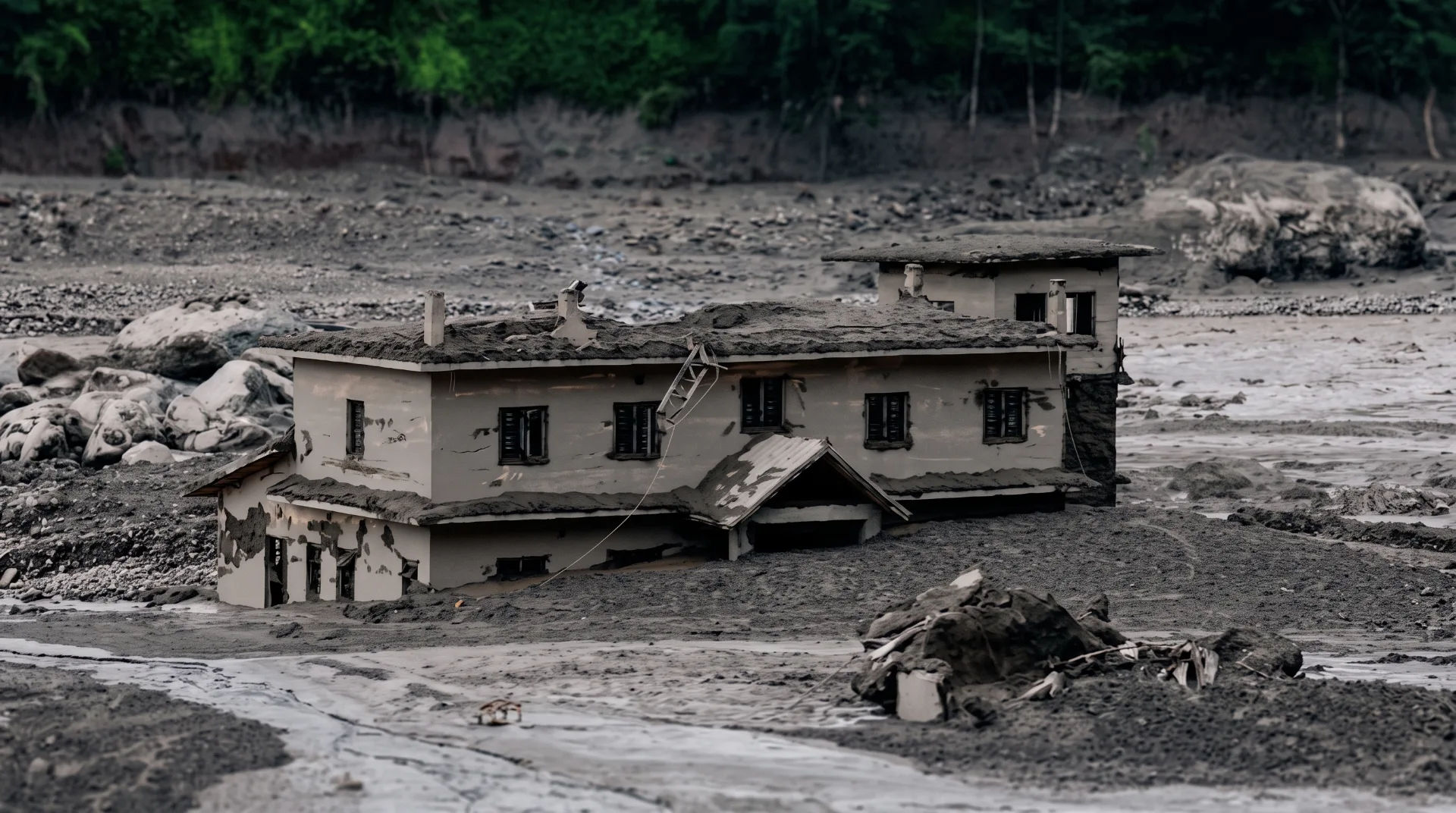
Massive Floods Sweep Through Nepal’s Rasuwa District Causing Widespread Damage
Overview of the Nepal Rasuwa Floods
What Happened in Nepal’s Rasuwa District?
On Wednesday, the Nepal Rasuwa floods struck suddenly when a cloudburst caused a sharp rise in the Bhotekoshi River, leading to widespread flooding in Nepal’s Rasuwa district near the China border. At least eight people lost their lives, and several others remain missing. The floodwaters swept away vehicles, goods, and other property, causing significant destruction in the area.
The flood originated from the direction of Tibet, surging through the Bhote Koshi River at around 9 am local time. The Nepal army reported extensive damage in Timure and the nearby Syafrubesi area, including destruction to markets and hydropower projects.
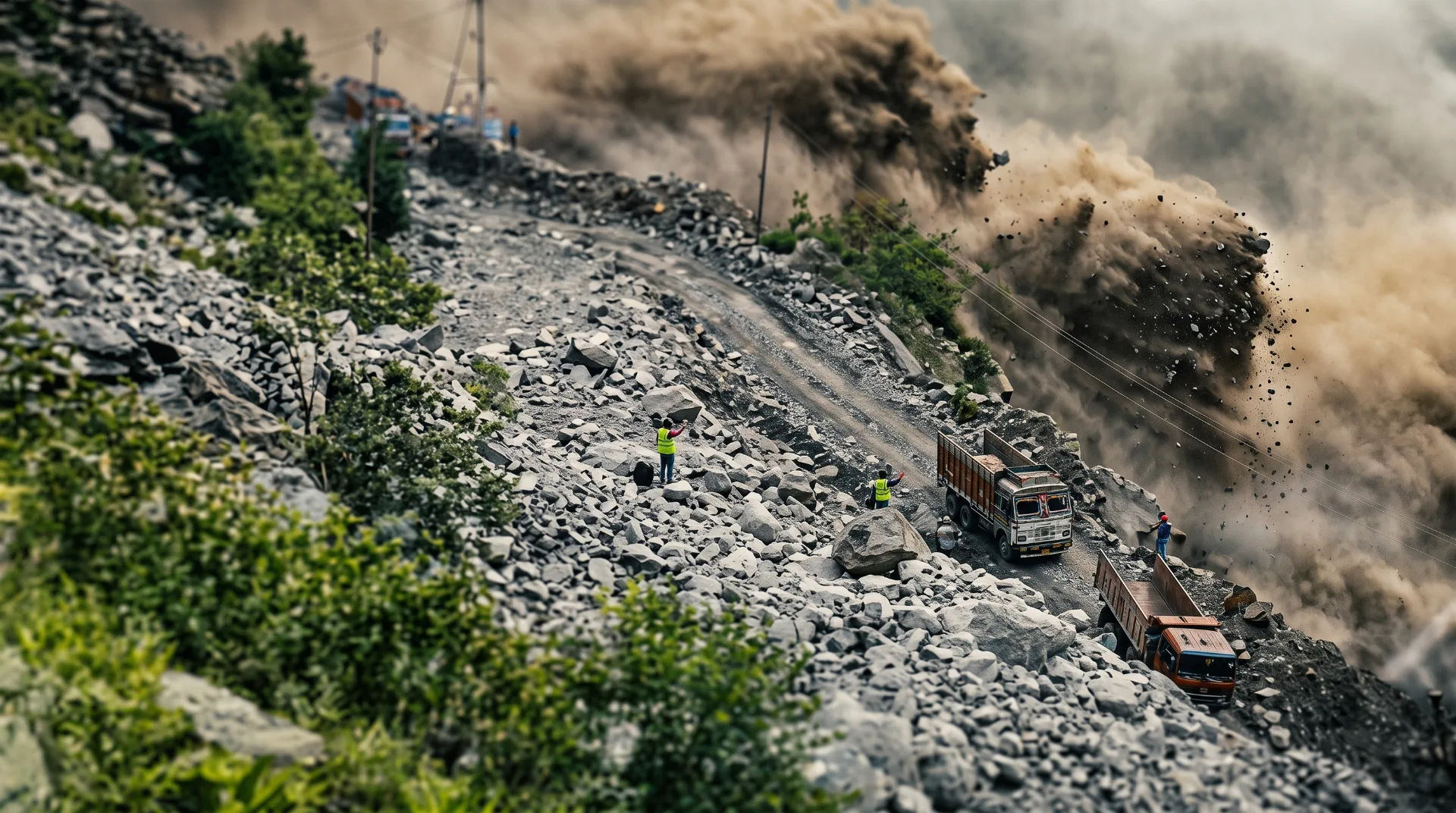 The National Disaster Risk Reduction and Management Authority (NDRRM) has asked people living near river banks in Rasuwa, Nuwakot, Dhading, Chitwan and Gorkha to remain on high alert and take necessary safety measures until further notice.
Impact Across the Border in Tibet
Chinese state media reported that the flooding caused major casualties in Tibet as well. The floodwaters damaged roads, bridges, and power projects, with a recently constructed bridge in Rasuwa also destroyed. The scale of the flooding was unusually large, causing significant damage to settlements and market areas.
Location and Geography
Where is Rasuwa District?
Rasuwa district lies northeast of Kathmandu, approximately 125 kilometres from the Tibet border. It is a mountainous region prone to natural disasters due to its proximity to the Himalayas and the transboundary rivers flowing from Tibet.
Importance of the Bhote Koshi River
The Bhote Koshi River, which surged during the Nepal Rasuwa floods, is a vital watercourse flowing from Tibet into Nepal. It is known for its rapid flow and is a key source of hydropower and irrigation in the region. Flooding in this river can have serious consequences for communities along its banks.
High Alert and Safety Measures During the Nepal Rasuwa Floods
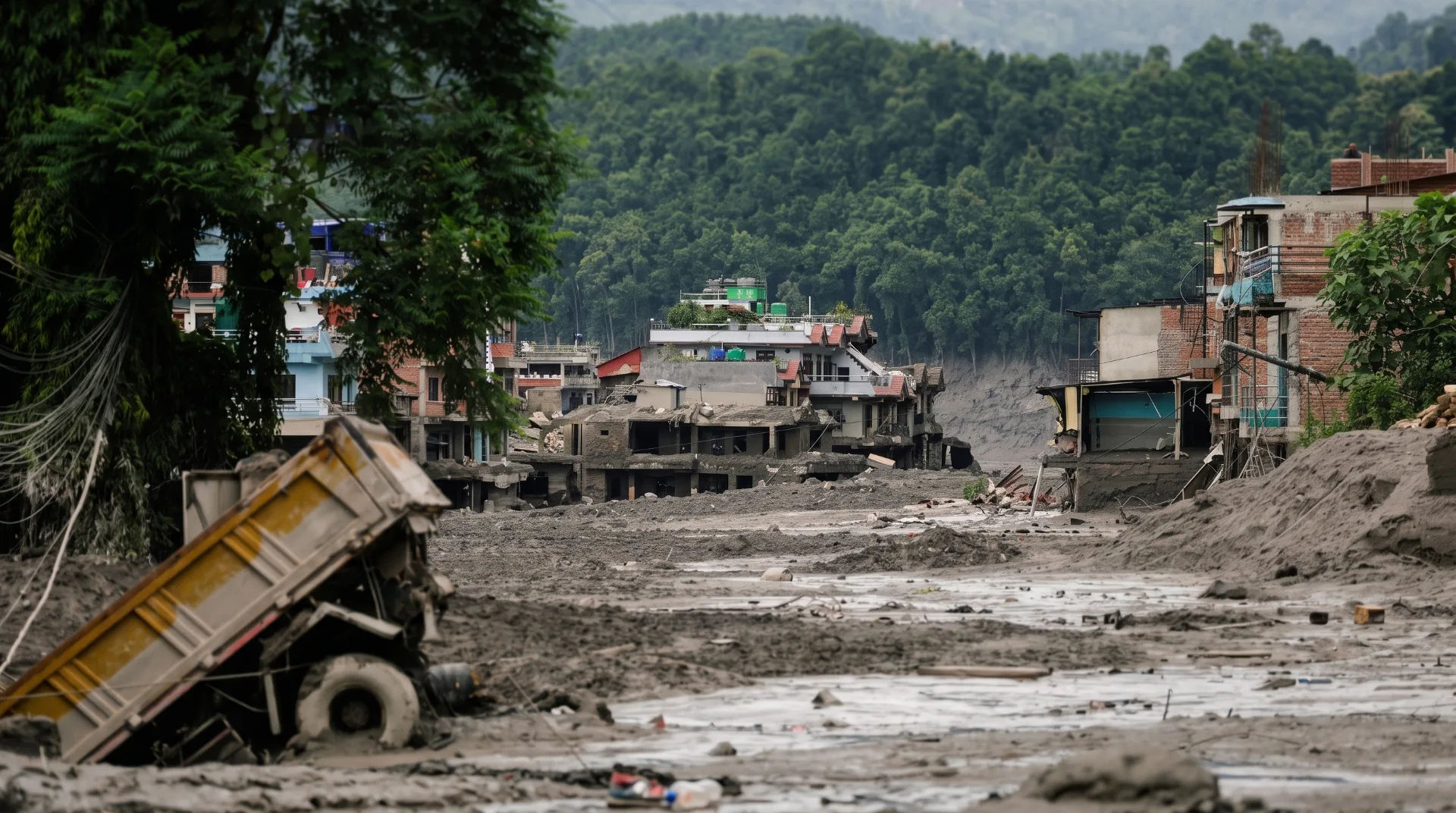
Districts on High Alert
The National Disaster Risk Reduction and Management Authority (NDRRM) has issued a high alert for people living near river banks in Rasuwa, Nuwakot, Dhading, Chitwan, and Gorkha districts. Residents are urged to take necessary safety precautions until further notice to avoid harm from potential flooding.
Local Officials’ Response
Rasuwa assistant chief district officer Dhruva Prasad Adhikari highlighted the unusually large scale of the flooding and the extensive damage to the two settlements affected. Chief customs officer Rajendra Dhungana confirmed that several vehicles and goods at customs premises were swept away during the floods.
Rescue and Relief Operations in Response to the Nepal Rasuwa Floods
Deployment of Rescue Teams
The Nepal Prime Minister’s Office confirmed that personnel from the Nepal army, armed police force, and Nepal Police have been deployed in Rasuwa and surrounding areas to strengthen rescue and relief efforts. Two helicopters have been dispatched to areas near the Trishuli River for search and rescue operations.
An MI-17 helicopter equipped with an Emergency Medical Rescue Team has also been sent to the district hospital in Trishuli to provide urgent medical assistance.
Ongoing Assessment and Support
A high-level meeting is planned to assess the situation further and decide on additional measures to support affected communities. The full extent of the damage is still being evaluated as authorities continue to gather information.
Causes and Historical Context of the Nepal Rasuwa Floods
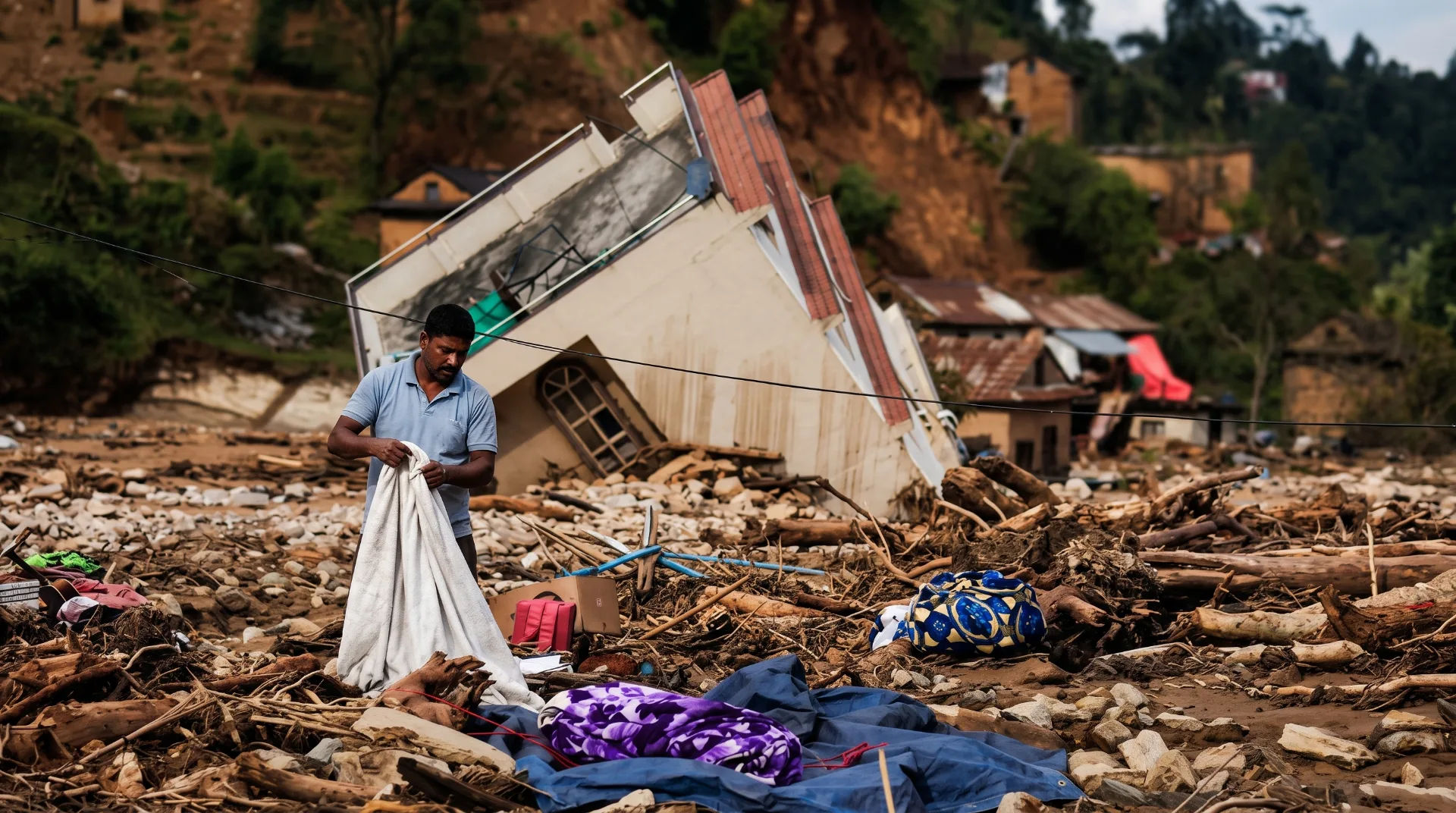
What Caused the Flooding?
According to Nepal’s Department of Hydrology and Meteorology, the flooding on Wednesday was not caused by rainfall in Rasuwa district. Instead, the sudden rise in water levels is believed to be linked to upstream events in Tibet, such as glacier or lake outbursts.
Previous Flood Events
This recent flood comes a year after two catastrophic floods struck the Bhotekoshi River in Rasuwa, which killed at least 10 people. Those floods were caused by the sudden draining of a previously unnoticed supraglacial lake, highlighting the ongoing risk of glacial hazards in the region.
Understanding Flood Risks in Himalayan Regions and the Nepal Rasuwa Floods
Why Are Himalayan Areas Prone to Flooding?
The Himalayan region, including parts of Nepal and Tibet, is vulnerable to flooding due to its mountainous terrain, glacial lakes, and changing climate conditions. Sudden glacier collapses or lake outbursts can trigger flash floods with devastating impacts downstream.
Importance of Disaster Preparedness
Authorities and communities in these regions must maintain high levels of preparedness and early warning systems to mitigate the effects of such natural disasters. International cooperation and aid can play a vital role in supporting rescue and recovery efforts.
What Are the Immediate and Long-Term Impacts of the Nepal Rasuwa Floods?
Immediate Human and Economic Impact
The Nepal Rasuwa floods have resulted in loss of life, displacement of residents, and destruction of infrastructure such as roads, bridges, and hydropower facilities. Markets and customs areas have been severely affected, disrupting trade and daily life. The destruction of vehicles and goods has added to the economic toll on local communities.
Environmental Consequences
Flooding in mountainous regions can lead to landslides and soil erosion, further endangering settlements and agricultural land. The sudden surge of water can also impact river ecosystems, affecting fish populations and water quality downstream.
Long-Term Recovery Challenges
Rebuilding infrastructure in remote, mountainous areas like Rasuwa is a complex and costly process. Recovery efforts will require coordinated support from government agencies, international aid organisations, and local communities. The risk of future floods remains high due to climate change and glacial instability, making resilience planning essential.
How Are Authorities and Communities Preparing for Future Nepal Rasuwa Floods?
Strengthening Early Warning Systems
Improving monitoring of glacial lakes and river levels upstream in Tibet and Nepal is critical to providing timely warnings. Investment in technology such as remote sensing and river gauges can help detect sudden changes and alert communities downstream.
Community Awareness and Evacuation Planning
Educating residents about flood risks and evacuation routes is vital. Local authorities are encouraged to conduct regular drills and maintain clear communication channels during emergencies.
Regional Cooperation
Given the transboundary nature of rivers like the Bhote Koshi, cooperation between Nepal and China is important for managing flood risks. Sharing data and coordinating responses can reduce the impact of future floods.
For more on natural disasters and emergency preparedness, see the Bournemouth Guide's Visitor Information section. To explore how local authorities manage risks and safety, visit BCP Council.
For background on Nepal and its geography, see Wikipedia: Nepal.
#photo The flooded market area in Rasuwa district showing damaged infrastructure and rescue efforts underway.
Frequently asked questions
What caused the massive floods in Nepal’s Rasuwa district?
The flooding in Rasuwa district was caused by a sudden cloudburst that led to a sharp rise in the Bhote Koshi River. According to Nepal’s Department of Hydrology and Meteorology, the flood was not due to rainfall in Rasuwa itself but is believed to be linked to upstream events in Tibet, such as glacier or lake outbursts.
Where is Rasuwa district located and why is it prone to flooding?
Rasuwa district lies northeast of Kathmandu, about 125 kilometres from the Tibet border. It is a mountainous region near the Himalayas and has transboundary rivers flowing from Tibet. This geography makes it prone to natural disasters like flooding, especially from sudden glacier collapses or lake outbursts upstream.
What areas have been put on high alert following the floods?
The National Disaster Risk Reduction and Management Authority (NDRRM) has issued a high alert for residents living near river banks in Rasuwa, Nuwakot, Dhading, Chitwan, and Gorkha districts. People in these areas are urged to take necessary safety precautions until further notice due to the risk of flooding.
What rescue and relief efforts are underway in response to the floods?
Rescue teams from the Nepal army, armed police force, and Nepal Police have been deployed in Rasuwa and surrounding areas. Two helicopters have been sent near the Trishuli River for search and rescue operations, including an MI-17 helicopter equipped with an Emergency Medical Rescue Team to provide urgent medical assistance at the district hospital.
What damage has the flooding caused in Rasuwa district?
The floods caused extensive damage in Timure and Syafrubesi areas, destroying markets, hydropower projects, vehicles, goods, and infrastructure such as a recently constructed bridge. Several people have lost their lives, and many remain missing due to the widespread destruction.
How does the Bhote Koshi River affect the region?
The Bhote Koshi River flows from Tibet into Nepal and is known for its rapid flow. It is a vital source of hydropower and irrigation for communities along its banks. Flooding in this river can have serious consequences, including damage to infrastructure and risks to local populations.
Why are Himalayan regions like Rasuwa particularly vulnerable to floods?
Himalayan regions are vulnerable due to their mountainous terrain, presence of glacial lakes, and changing climate conditions. Sudden glacier collapses or the bursting of glacial lakes can trigger flash floods with devastating impacts downstream, making disaster preparedness essential.



Comments (0)
No comments yet. Be the first to join the conversation.