
Nepal Tibet flash flood kills 98 and leaves hundreds missing on border
A devastating flash flood on the Nepal-Tibet border has killed at least 98 people and left hundreds missing, including foreign tourists. Rescue efforts are ongoing amid widespread destruction.
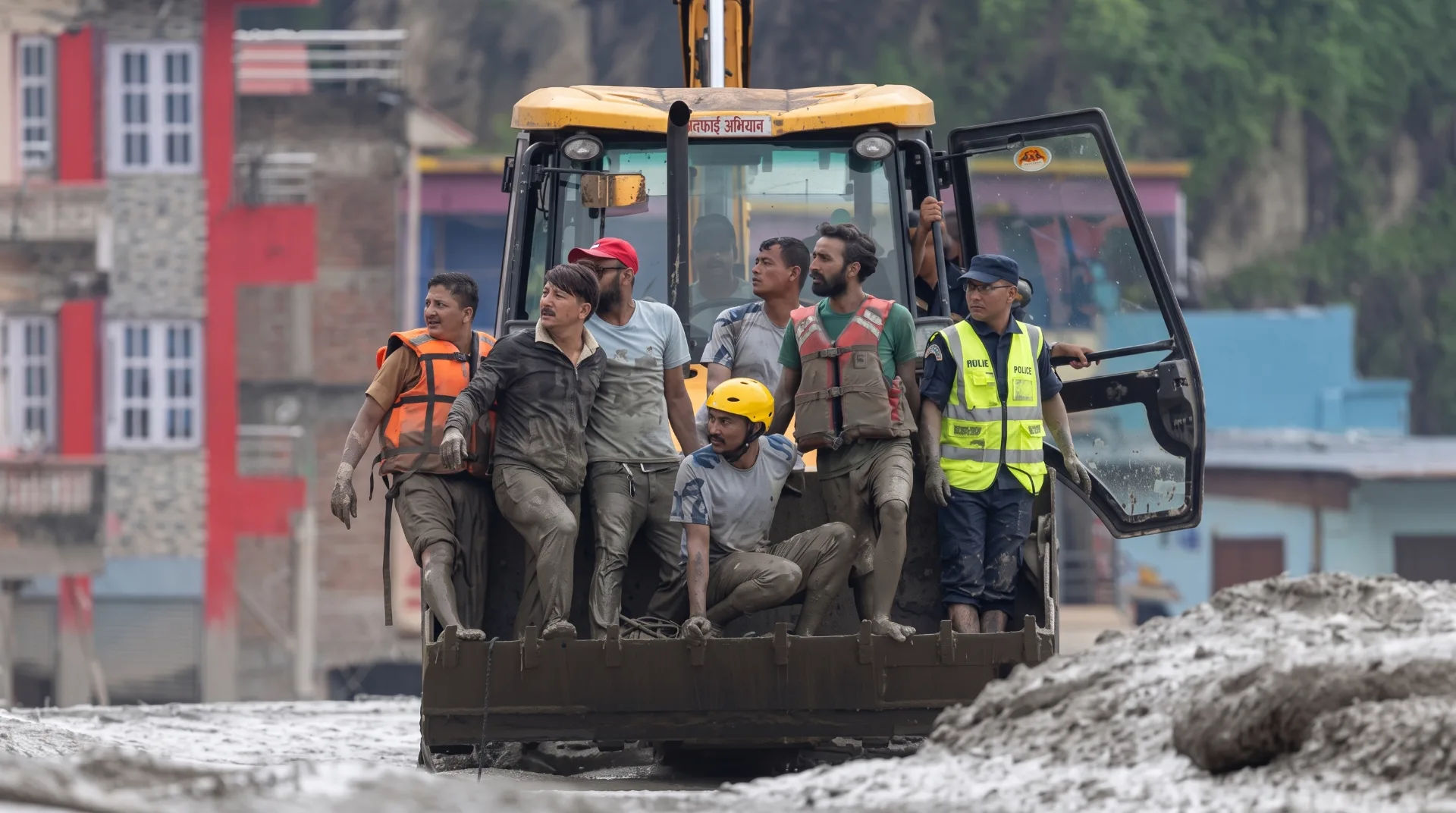
Flash flood on Nepal-Tibet border kills at least 98, with hundreds of foreign tourists missing
Overview of the Nepal Tibet flash flood disaster
A devastating Nepal Tibet flash flood struck the border region on 26 August 2026. It caused the deaths of at least 98 people in Nepal, with hundreds more reported missing. This sudden and catastrophic event brought a wall of water and mud rushing through narrow valleys. It destroyed buildings and swept away residents and tourists alike. The affected area is popular among pilgrims and trekkers. This has contributed to the high number of foreign nationals involved.
Nepalese authorities have confirmed the fatalities. They are intensifying search and rescue operations to locate those still missing. The scale and severity of the Nepal Tibet flash flood have prompted an international response. Many of the missing are foreign tourists from various countries.
Impact on tourists and local personnel
The Nepal Tibet flash flood has had a particularly severe impact on tourists and local workers in the region. According to Nepal's tourist board, over 100 Indian nationals, 54 Americans, and 33 British citizens are among those reported missing. The border area is a well-known route for pilgrims visiting sacred sites and trekkers exploring the Himalayas. It attracts visitors from across the globe.
In addition to tourists, dozens of police officers, army personnel, and power workers are also missing. This highlights the widespread disruption to local communities and infrastructure. Survivors have shared harrowing accounts. One individual described how their family was swept away by the floodwaters. They and their son survived by climbing to a rooftop.
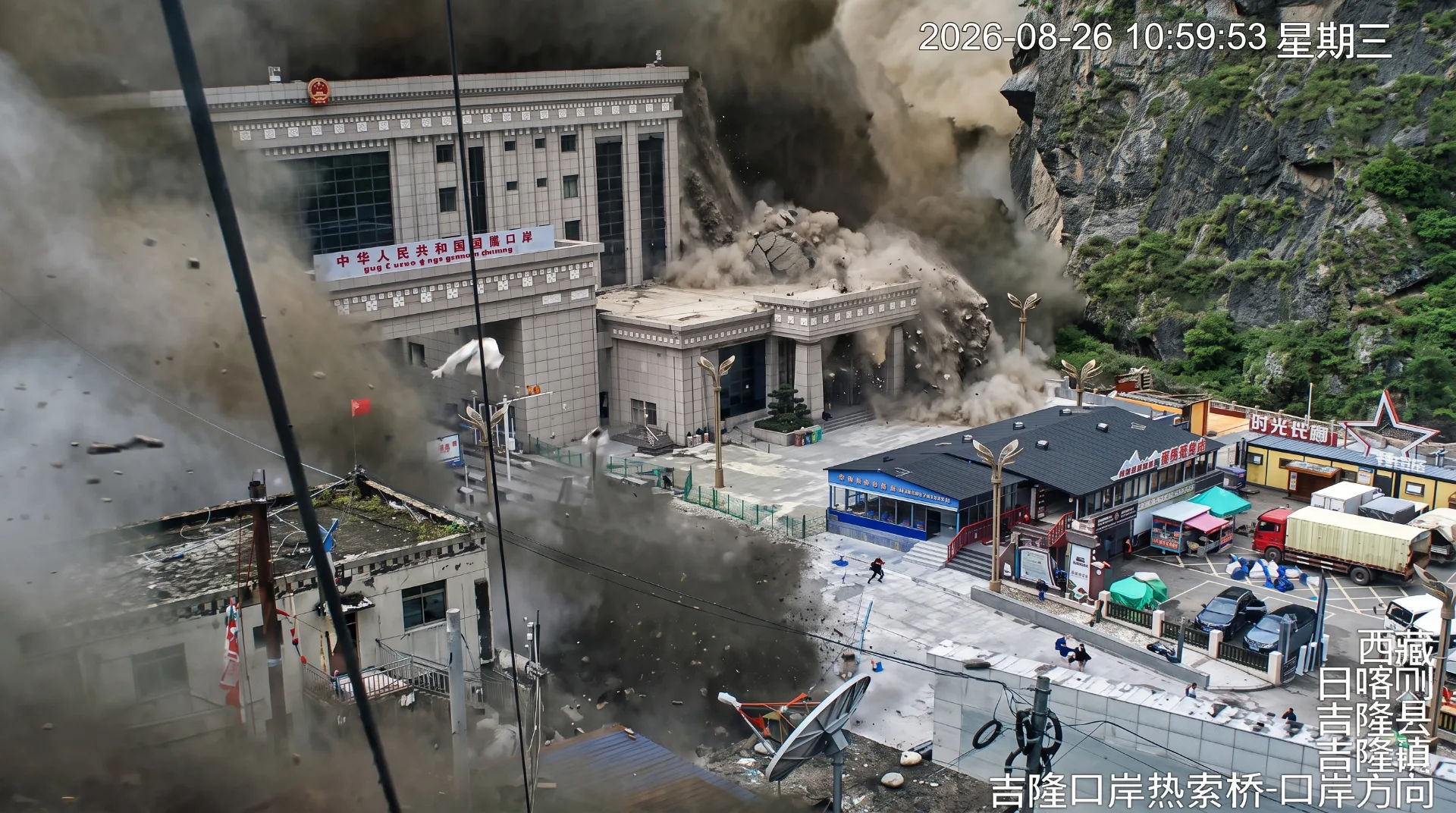
The devastating flash flood on the Nepal-Tibet border caused a massive landslide, impacting buildings and infrastructure.
Situation on the Tibetan side of the border
On the Tibetan side, Chinese state media report three confirmed deaths and 265 people missing due to the Nepal Tibet flash flood. Dramatic CCTV footage from Tibet captures a wall of water and mud rushing through a valley and hitting buildings near a border crossing. This footage illustrates the force and speed of the disaster.
The incident’s severity has led to personal directives from Chinese President Xi Jinping. This signals the high level of concern and urgency in the response efforts. Chinese authorities are working alongside Nepalese teams to coordinate rescue and relief operations in this challenging mountainous terrain.
Causes and ongoing response to the Nepal Tibet flash flood
Nepal’s foreign minister has indicated that the Nepal Tibet flash flood may have been triggered by an earthquake that caused an avalanche in the mountainous region. The combination of seismic activity and heavy monsoon rainfall likely contributed to the sudden release of water and debris. This resulted in the flash flood.
Rescue efforts are ongoing on both sides of the border. Teams are using helicopters, drones, and satellite communication to locate survivors and deliver aid. The difficult terrain, unpredictable weather, and risk of further landslides complicate these operations. However, authorities remain committed to finding those missing and providing support to affected communities.
Economic and environmental consequences of the Nepal Tibet flash flood
The Nepal Tibet flash flood has caused extensive damage estimated at over £70 million, according to Nepalese officials. The destruction includes homes, roads, power infrastructure, and natural landscapes. These will require significant recovery and rebuilding efforts over the coming months and years.
The environmental impact is also considerable. Soil erosion, deforestation, and disruption to local ecosystems will likely affect the region’s stability and biodiversity. This disaster highlights the vulnerability of mountainous border areas to natural hazards. It also shows the urgent need for improved disaster preparedness and sustainable land management.
Videos showing the Nepal Tibet flash flood disaster
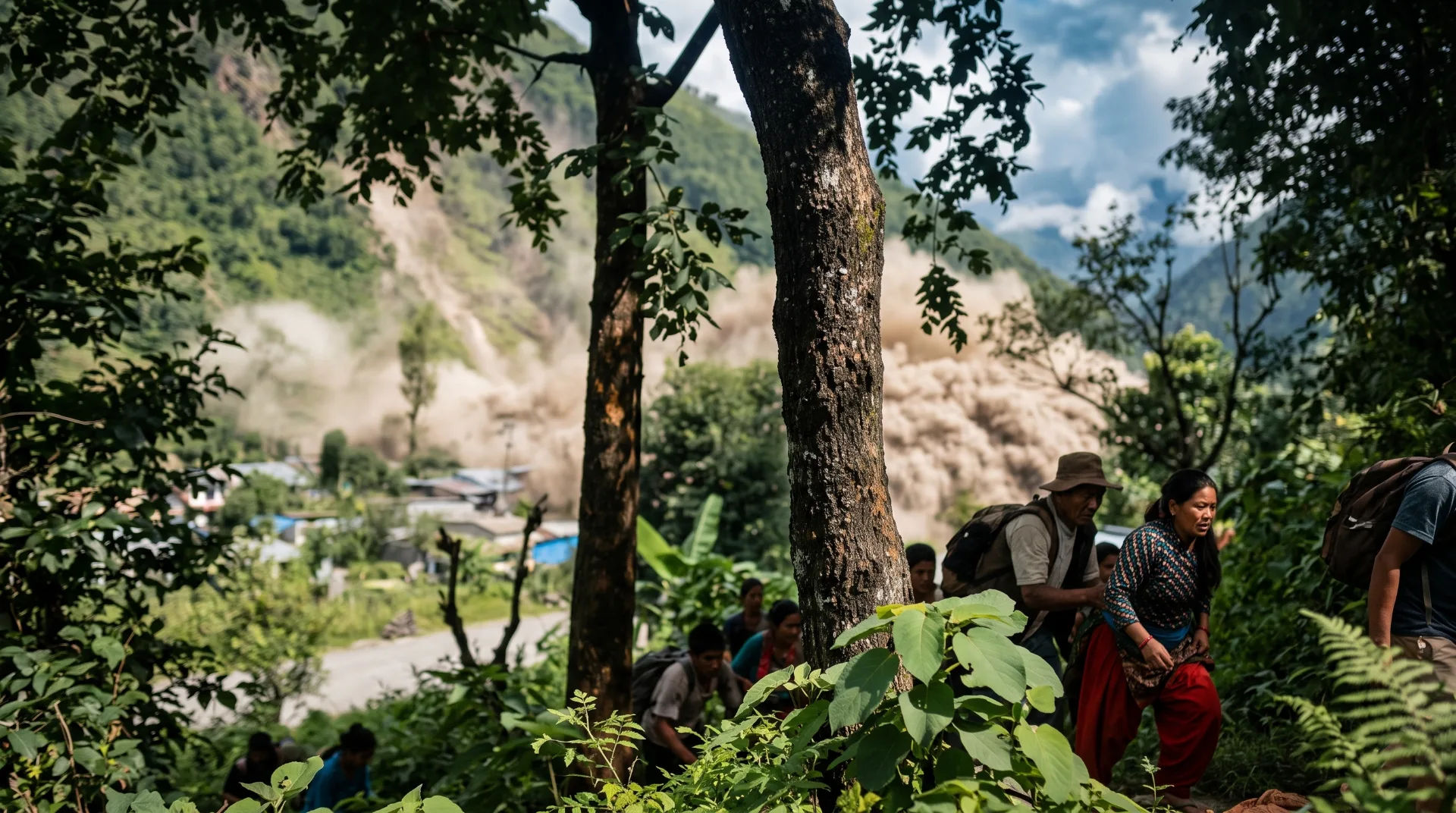
Understanding the Nepal Tibet flash flood: causes and risks in mountainous border regions
What causes flash floods in the Himalayas?
Flash floods like the Nepal Tibet flash flood are often caused by a combination of natural factors unique to high mountain environments. Sudden heavy rainfall during the monsoon season can rapidly swell rivers and streams. Rapid snowmelt adds to the volume of water flowing downhill. Earthquakes and seismic activity can trigger avalanches and landslides. These may dam rivers temporarily before releasing large volumes of water suddenly.
The steep slopes and fragile geology of the Himalayas make these areas particularly prone to such disasters. Narrow valleys can funnel water and debris at high speeds. This leaves little time for warning or evacuation.
Why are these areas popular with tourists despite the risks?
The Nepal Tibet border region is a magnet for pilgrims and trekkers drawn by its spiritual significance and breathtaking mountain scenery. Pilgrimage routes lead to sacred sites revered in both Nepalese and Tibetan cultures. Trekking trails offer adventure and the chance to experience remote Himalayan landscapes.
Tourism supports local economies, providing livelihoods for many communities. Despite the risks posed by natural disasters like the Nepal Tibet flash flood, visitors continue to be attracted by the region’s unique cultural and natural offerings. Awareness and preparedness are essential for safe travel in these areas.
How are rescue operations coordinated in such challenging terrain?
Coordinating rescue efforts after the Nepal Tibet flash flood involves multiple agencies and countries. Local police, military units, and disaster response teams work alongside international organisations to conduct search and rescue missions. Difficult access routes, unstable ground, and variable weather conditions pose significant challenges.
Modern technology plays a vital role. Helicopters provide aerial surveys, drones scout inaccessible areas, and satellite phones enable communication where networks are down. Coordination between Nepalese and Chinese authorities is crucial given the cross-border nature of the disaster.
Preparing for travel and supporting recovery after the Nepal Tibet flash flood
How to prepare for trekking or pilgrimage in high-risk zones
Visitors planning to trek or undertake pilgrimages in the Nepal Tibet border region should take careful precautions. Monitoring weather forecasts and local advisories is vital, especially during the monsoon season when flash floods are more likely. Hiring experienced local guides familiar with the terrain and hazards can enhance safety.
Registering travel plans with local authorities and carrying emergency supplies such as first aid kits, food, water, and communication devices is advisable. Travel insurance that covers natural disasters is strongly recommended to provide financial protection in case of emergencies.
What support is available for tourists caught in emergencies?
In the event of emergencies like the Nepal Tibet flash flood, local governments and tourist boards often have emergency response plans, including helplines and evacuation procedures. Foreign embassies and consulates can assist their nationals with information, repatriation, and other support.
Staying informed through official channels and keeping emergency contact numbers handy can make a critical difference. Tourists should also follow instructions from local authorities and rescue teams to ensure their safety.
How can visitors respect local communities during recovery?
Tourists can play a positive role in supporting recovery efforts by respecting local customs and restrictions. They should avoid areas designated as disaster zones and contribute to relief funds or community projects if appropriate. Sustainable tourism practices, such as minimising environmental impact and supporting local businesses, help build resilience and aid long-term recovery.
Understanding the challenges faced by communities affected by the Nepal Tibet flash flood fosters empathy and encourages responsible travel behaviour.
For more on travel safety and planning, see our Visitor Information and explore the best Things to Do in safer areas.
For updates on events and news, visit our What's On and Bournemouth News sections.
For background on natural disasters and safety measures, the Met Office and GOV.UK provide official guidance.
Frequently asked questions
What caused the flash flood on the Nepal-Tibet border in August 2026?
The flash flood was likely triggered by an earthquake causing an avalanche in the mountainous region, combined with heavy rainfall. This combination of seismic activity and weather conditions led to a sudden and destructive flood in the area, which is prone to such natural disasters due to its steep terrain and fragile geology.
How many people were affected by the flood on the Nepal-Tibet border?
At least 98 people have died in Nepal, with hundreds more reported missing. On the Tibetan side, three deaths and 265 people missing have been reported. The missing include numerous foreign tourists from countries such as India, the United States, and the United Kingdom, as well as local police, army personnel, and power workers.
What is the current status of rescue operations after the flood?
Rescue efforts are ongoing on both sides of the Nepal-Tibet border. Authorities are working to locate survivors and provide aid despite the challenging terrain and unpredictable weather. Coordination involves local authorities, military personnel, and sometimes international teams, using technology like drones and helicopters to aid in the search and rescue missions.
Why is the Nepal-Tibet border region popular with tourists despite the risks?
The region attracts pilgrims visiting sacred sites and trekkers drawn by the stunning mountain landscapes. Its cultural significance and natural beauty make it a sought-after destination for adventure and spiritual journeys. Tourism is important to the local economy, although visitors are advised to be aware of potential hazards and weather conditions when travelling there.
How can visitors prepare for trekking or pilgrimage in high-risk mountainous areas?
Visitors should check weather forecasts and local advisories before travelling, hire experienced guides, and register with local authorities. Carrying emergency supplies and knowing evacuation routes is essential. It is also strongly recommended to have travel insurance that covers natural disasters to ensure adequate protection in case of emergencies.
What support is available for tourists caught in emergencies in these regions?
Local governments and tourist boards have emergency response plans and helplines to assist those in distress. Embassies and consulates can also provide support for foreign nationals. It is important for tourists to keep emergency contacts handy and stay informed through official channels during their visit.
What economic and environmental impact did the flood have on the region?
The flood caused significant damage estimated at over £70 million, affecting homes, infrastructure, and natural landscapes. Recovery and rebuilding efforts will be extensive due to the scale of destruction. The disaster highlights the vulnerability of mountainous border communities to natural hazards and the challenges involved in their recovery.



Comments (0)
No comments yet. Be the first to join the conversation.