
Nepal Tibet flash flood kills dozens and leaves hundreds missing after earthquake-triggered disaster
A catastrophic flash flood at the Nepal-Tibet border has claimed nearly 100 lives and left hundreds missing, including British tourists. Rescue operations are ongoing.
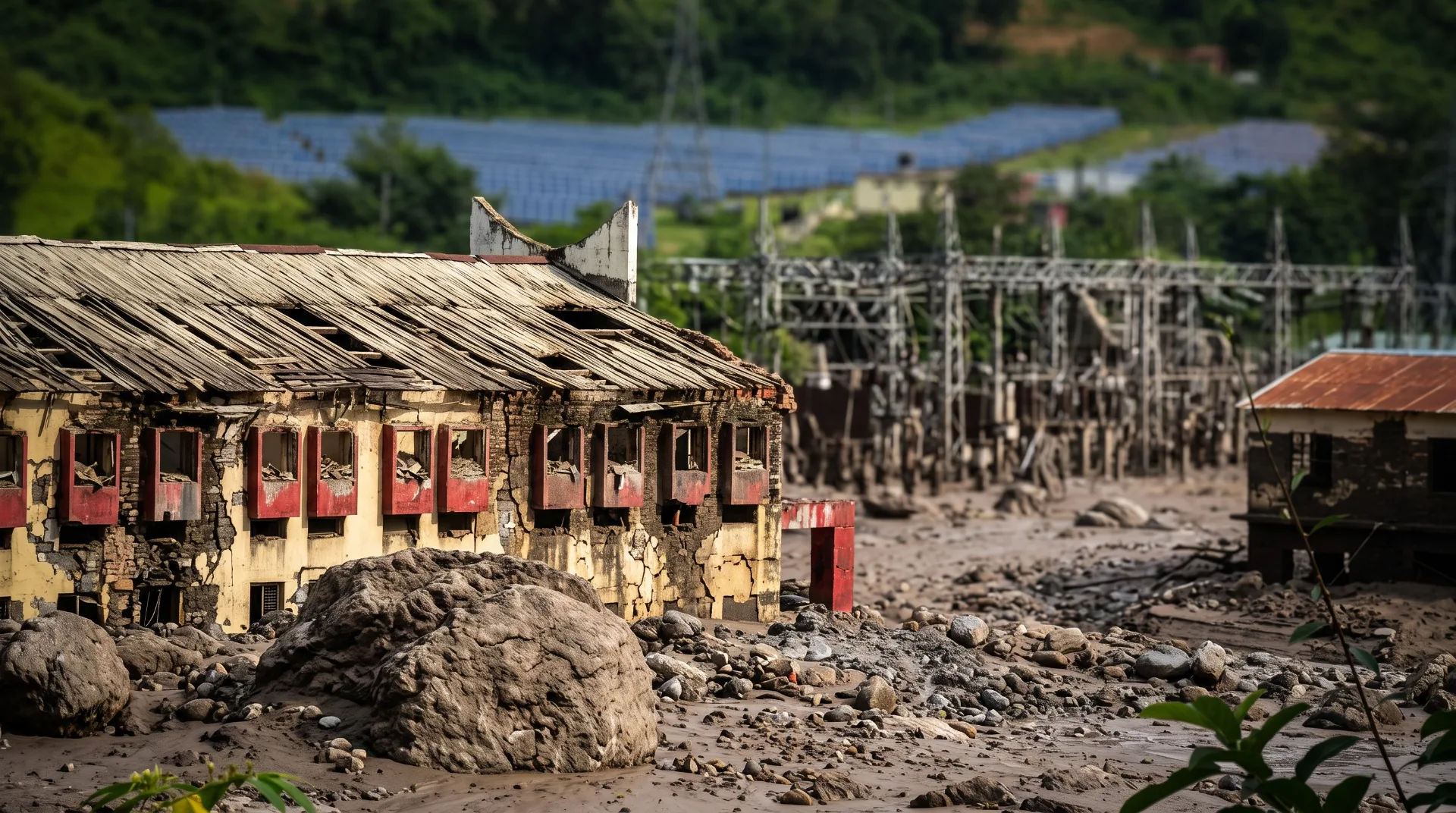
Flash Flood Devastates Nepal-Tibet Border Area
At least 98 people have died and over 800 are missing following a catastrophic Nepal Tibet flash flood and mudslide along the border between Nepal and Tibet. This sudden and severe disaster has swept away entire villages. It has also caused extensive damage to roads and infrastructure, leaving communities in urgent need of assistance.
Location and Cause of the Nepal Tibet Flash Flood
The flash flood struck early on a Wednesday in the Rasuwa district, just north of Nepal's capital, Kathmandu. Initial reports indicate the disaster was triggered by an earthquake that caused an avalanche. Melted snow from the avalanche poured into the Bhote Koshi river. This led to sudden and severe flooding that overwhelmed the region.
This area, straddling the Nepal-Tibet border, is particularly vulnerable to such events due to its mountainous terrain and proximity to active seismic zones. The earthquake destabilised snow and ice. This caused a rapid influx of water that surged down the valleys, carrying debris and mud with it.
Rescue Efforts and Current Situation
Search and rescue operations are ongoing on both sides of the border. So far, 88 people have been rescued, according to the Nepalese army. However, state media in China, which administers Tibet, has reported significant casualties. Nepalese officials have warned of a "huge scale loss."
Rescue teams face immense challenges due to damaged roads, disrupted communications, and the remote nature of many affected villages. Helicopters and ground teams are working tirelessly to reach survivors and provide emergency aid. The scale of the disaster and difficult terrain complicate these efforts.
Impact on Tourists and Locals
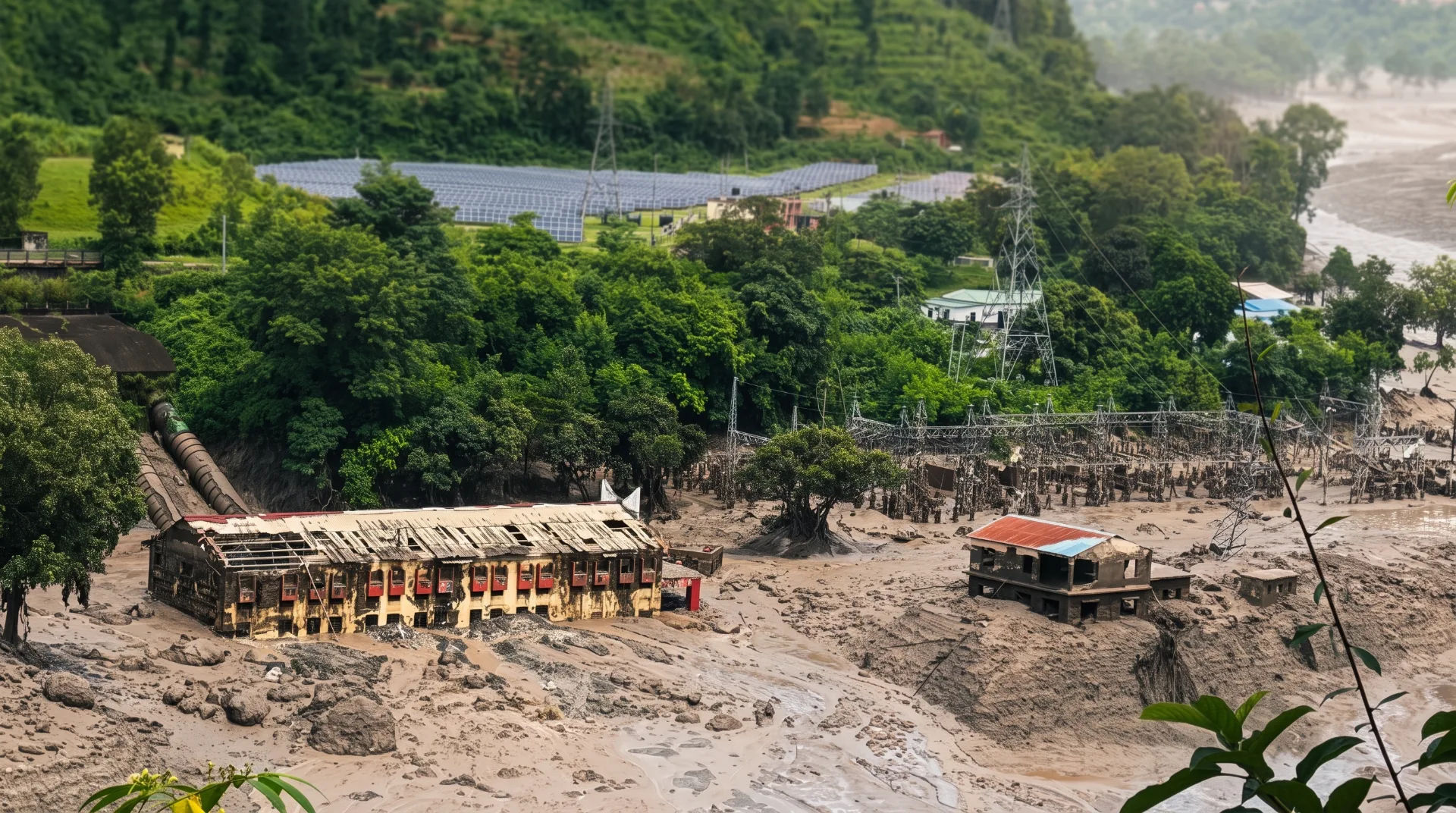
Missing Tourists and Nationalities Affected by the Nepal Tibet Flash Flood
Authorities are working to locate 579 tourists, including 466 foreigners from 28 countries. Among those unaccounted for are 113 Nepali nationals, 54 Americans, and 33 British citizens. Chinese state media reports three deaths and 265 missing in Tibet.
The missing tourists include travellers from the UK, the US, Malaysia, South Africa, and India. Alpine Eco Trek, a company offering guided tours in Nepal, confirmed that 12 British nationals on its tour across the Nepal-Tibet border are missing. Additionally, two Irish and four South African nationals from the same group are unaccounted for.
The Nepal Tibet flash flood has particularly affected trekking routes popular with international visitors. This highlights the risks faced by tourists in remote mountainous regions.
Age Range and Travel Details
The ages of the missing British nationals range from 13 to 65 years old, according to travel logs shared with news agencies. The disruption has affected many areas downstream of the Bhote Koshi river. Roads, communications, and power supplies have been damaged or cut off. The main road to Kathmandu remains closed, further complicating rescue and relief efforts.
The floodwaters have not only caused physical destruction but also created logistical challenges for emergency responders trying to reach isolated communities and stranded travellers.
Visual Evidence of the Nepal Tibet Flash Flood Disaster
Verified videos from Nepal show the devastating force of the floodwaters. In the town of Trishuli Bazaar, located about 25km northwest of Kathmandu, a bridge was swept away by the swollen Trishuli river. Multi-storey buildings collapsed under the flood’s pressure. Many structures near the riverbank have been destroyed or covered in sediment.
A video filmed from inside a bus shows people desperately trying to escape the rapidly rising floodwaters on foot, mopeds, and vehicles. Passengers on the bus can be heard crying out in alarm as the flood surges down the valley. This illustrates the suddenness and ferocity of the Nepal Tibet flash flood.
Local Accounts and Ongoing Challenges
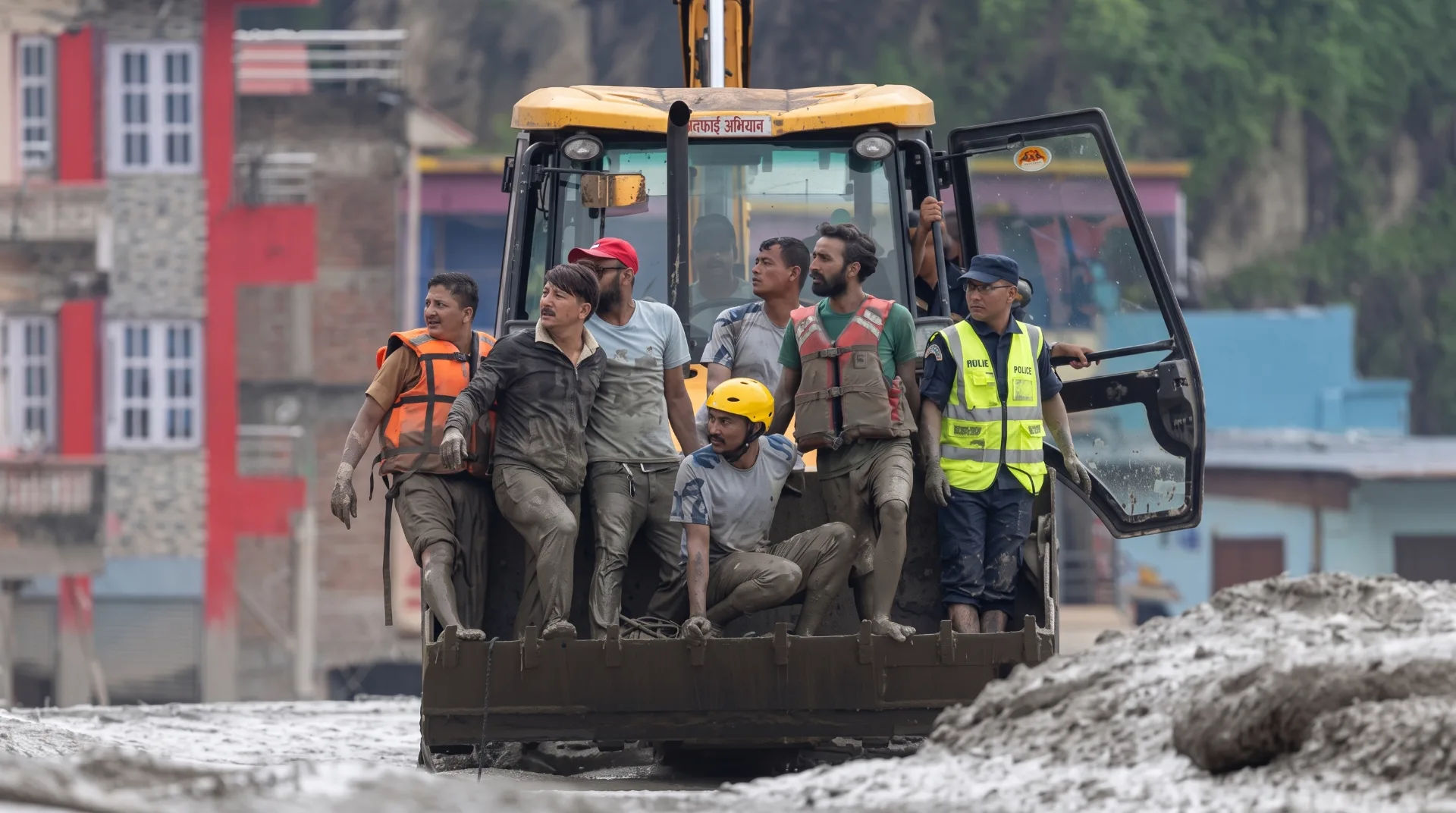
Eyewitness Reports
Yee Liang, a Chinese businessman based in Kathmandu, reported losing contact with seven container trucks and their Nepalese staff in the affected area. He described the flood as far more severe than the usual mudslides and landslides that occur during the rainy season. He noted there was no warning before the disaster struck.
Such eyewitness accounts underscore the unpredictability of flash floods in this region. They also highlight the urgent need for improved early warning systems to protect lives.
Official Statements and Damage Assessment
Nepal Army Spokesman Rajarm Basnet confirmed rescue efforts are focused on saving 115 people trapped in the village of Mailung. The Nepalese Ministry of Home Affairs has warned of likely heavy casualties in Timure, Syabrubesi, and Betrawati. Flooding has also damaged the Trishuli hydropower project, which supplies electricity to the region.
The extent of the damage on the Tibetan side remains unclear. However, contacts in Sichuan province have lost communication with relatives working in the region. This indicates widespread disruption.
Understanding the Nepal Tibet Flash Flood: Causes and Risks
What Causes Flash Floods in Mountainous Regions?
Flash floods in mountainous areas like the Nepal-Tibet border often result from sudden heavy rainfall, avalanches, or earthquakes that destabilise snow and ice. In this case, an earthquake triggered an avalanche. The melting snow rapidly increased river flow and caused the flood.
The combination of steep slopes, loose soil, and rapid water flow makes these floods particularly destructive. The Nepal Tibet flash flood is a stark example of how natural forces can combine to create a disaster with devastating consequences.
Why Are These Floods So Destructive?
The steep terrain accelerates water flow, increasing its speed and volume. When combined with loose soil and rocks, the floodwaters carry debris that can destroy infrastructure and buildings, as seen in the recent disaster.
Additionally, the narrow valleys funnel water and debris, amplifying the force of the flood. This explains why bridges, roads, and buildings near rivers are often the hardest hit during such events.
The Human Impact and International Response to the Nepal Tibet Flash Flood
The Scale of Missing Persons and Rescue Operations
With hundreds missing, including many foreign tourists, the disaster has prompted a large-scale international response. Rescue teams from Nepal and China are working under challenging conditions to locate survivors and provide aid.
International agencies and embassies are coordinating efforts to assist affected nationals. Humanitarian organisations are mobilising resources to support relief operations. The Nepal Tibet flash flood has highlighted the need for cross-border cooperation in disaster response.
How Can Visitors Stay Safe in Such Regions?
Travellers in mountainous border areas should register with their embassies. They should keep updated on weather and seismic alerts, and follow local guidance during the rainy season or periods of seismic activity.
It is also advisable to travel with experienced guides, carry emergency supplies, and have contingency plans in place. Awareness of the risks posed by flash floods and other natural hazards is crucial for anyone visiting these regions.
Long-Term Implications and Future Preparedness
Infrastructure and Environmental Concerns
The Nepal Tibet flash flood has caused extensive damage to critical infrastructure such as roads, bridges, and hydropower facilities. Repairing this damage will require significant investment and time. This will affect local communities' access to services and economic activities.
Environmental impacts include soil erosion, sedimentation of rivers, and loss of vegetation. These may increase the risk of future floods and landslides. Sustainable land management and reforestation efforts will be important in reducing vulnerability.
Improving Early Warning Systems and Disaster Preparedness
This disaster underscores the importance of developing and implementing effective early warning systems in mountainous border regions. Technologies such as remote sensing, river monitoring, and seismic detection can provide crucial advance notice of potential flash floods.
Community education and preparedness programmes can also help residents and visitors respond quickly and safely when disasters strike. Cross-border collaboration between Nepal and China will be key to enhancing resilience in this fragile environment.
For further information on travel safety and natural hazards, visit the GOV.UK website. To explore more about the region’s geography and history, see the Wikipedia page on Bournemouth for comparison with local natural features.
Read more about current events and emergency updates on our Bournemouth News page.
Frequently asked questions
Where did the flash flood occur and what caused it?
The flash flood struck the Rasuwa district along the Nepal-Tibet border, just north of Kathmandu. It was caused by an earthquake that triggered an avalanche, which melted snow and poured into the Bhote Koshi river, leading to sudden and severe flooding.
How many people have been affected by the flash flood?
At least 98 people have died and over 800 are missing following the disaster. Among those missing are 579 tourists, including 466 foreigners from 28 countries, and 113 Nepali nationals. Rescue efforts have so far saved 88 people.
What impact has the flood had on infrastructure and local communities?
The flood has swept away villages and severely damaged roads, communications, and power supplies. The main road to Kathmandu remains closed. Buildings near riverbanks have collapsed or been covered in sediment, and the Trishuli hydropower project has been damaged.
Which nationalities are among the missing tourists?
Missing tourists include nationals from the UK, the US, Malaysia, South Africa, India, Ireland, and others. Specifically, 33 British citizens, 54 Americans, 12 British nationals from one tour group, two Irish, and four South African nationals are unaccounted for.
What are the current rescue efforts and challenges?
Rescue operations are ongoing on both sides of the Nepal-Tibet border, focusing on saving people trapped in villages such as Mailung. The Nepalese army and Chinese teams are working under difficult conditions, with damaged infrastructure and disrupted communications hampering efforts.
Why are flash floods particularly destructive in mountainous regions?
Mountainous terrain causes water to flow rapidly due to steep slopes, increasing its speed and volume. Combined with loose soil and rocks, floodwaters carry debris that can destroy buildings and infrastructure, making flash floods highly destructive in such areas.
What safety advice is given to travellers in mountainous border areas?
Travellers should register with their embassies, stay updated on weather and seismic alerts, and follow local guidance especially during the rainy season or when there is seismic activity. This helps ensure timely information and support in case of emergencies.



Comments (0)
No comments yet. Be the first to join the conversation.