
Spring in Bournemouth: The Gardens Come Alive
At a Glance
- Bournemouth’s gardens and Compton Acres burst into colour as spring unfolds.
- Milder weather invites long walks and early beach visits without the summer crowds.
- Outside Easter, spring offers a quieter atmosphere and better value than peak season.
- Pack for changeable weather and plan activities around dry, bright spells.
Spring is a wonderful time to explore the natural beauty of the area, especially the bournemouth spring gardens that come alive with fresh colours and scents. This season offers a chance to enjoy the town’s green spaces and coastal paths in a more peaceful setting. It is the calm before the summer rush.
Gardens in Bloom: Discovering Bournemouth Spring Gardens
Spring is when Bournemouth’s greenery truly shines. The town’s gardens awaken with vibrant colours and fresh growth. They provide a peaceful setting for visitors and locals alike. The bournemouth spring gardens showcase a variety of blooms that signal the arrival of warmer days and longer light.
The Lower Gardens: A Central Floral Stroll
The Lower Gardens stretch through the heart of Bournemouth, linking the town centre to the seafront. As temperatures rise, the garden beds and borders fill with daffodils, tulips and other spring blooms. The paths are flat and easy. They are perfect for a gentle stroll that suits all ages and mobility levels. Along the way, benches and the gentle murmur of the Bourne Stream create restful spots to pause and enjoy the scene.
This garden corridor acts as a natural spine for a spring day out. It offers a refreshing walk from the bustling square down to the sea, surrounded by blossoming colour. The Lower Gardens are a prime example of bournemouth spring gardens at their best. The carefully maintained flower beds and mature trees provide a vibrant backdrop for a leisurely day.
Compton Acres: Themed Gardens in Full Spring Colour
For a more immersive garden experience, visit Compton Acres, a collection of five distinct themed gardens set across ten acres. Each garden room reveals a different style and planting scheme. These range from the Japanese Garden’s delicate blossoms to the Italian Garden’s formal terraces.
Spring is a particularly rewarding time here. The varied planting schedules mean there is always something flowering. The gardens’ design encourages slow exploration. Winding paths and water features enhance the tranquil atmosphere. Compton Acres is a highlight of bournemouth spring gardens. It offers a diverse palette of colours and scents that change as the season progresses.
Planning a Relaxed Garden Day
A day centred on these gardens suits visitors seeking a calm, low-cost outing. Begin with a slow morning wandering the Lower Gardens. Then enjoy lunch in the town centre. In the afternoon, head to Compton Acres to soak up the warm light and vibrant colours. The gentle terrain and plentiful seating make this accessible for families, older visitors and anyone wanting a restful day immersed in nature.
When visiting bournemouth spring gardens, it’s worth taking your time to appreciate the smaller details. Notice the emerging buds, the songbirds returning, and the fresh fragrance of new growth. Both the Lower Gardens and Compton Acres provide perfect settings for photography, sketching or simply unwinding with a good book.
Milder Walks and Early Beach Days: Enjoying Bournemouth’s Outdoors in Spring
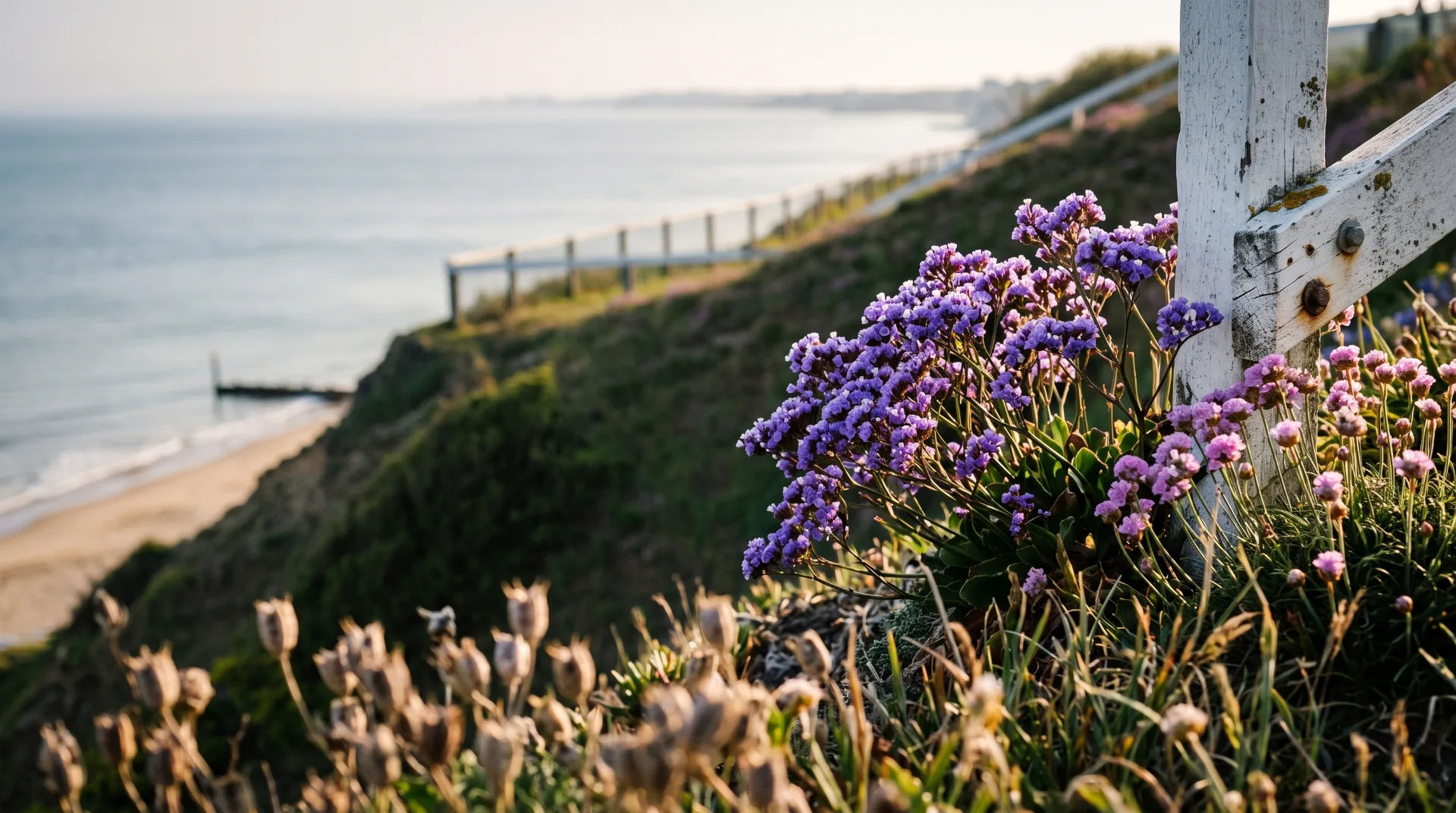
Spring brings a welcome easing of winter’s chill. It opens up Bournemouth’s clifftops and promenade for refreshing walks. The combination of mild weather and blossoming nature makes this an ideal time to explore the coast and countryside.
Walking the Seafront and Clifftops
The air in spring is crisp and clear. It is perfect for unhurried walks along the seafront promenade or the clifftop paths. These routes offer expansive views over Poole Bay and the town. There are far fewer people than in summer. The quieter atmosphere allows walkers to fully appreciate the coastal scenery and the sound of the waves.
The seafront paths complement the experience of visiting bournemouth spring gardens by extending the sense of renewal and freshness along the coast. Walking from the gardens towards the pier or westwards to Boscombe, you can enjoy the blend of floral beauty and sea air in one outing.
Early Beach Visits: More Than Swimming
Although the sea remains cold well into spring, the beaches are still inviting for early visits. Families can enjoy building sandcastles, beachcombing or simply relaxing with a coffee while watching the tide. Bournemouth’s seven miles of sandy beaches provide plenty of space to spread out and enjoy the fresh sea air without the summer crush.
Spring beach days offer a quieter alternative to the busy summer months. The mild weather encourages longer stays. Visiting bournemouth spring gardens can be paired with a stroll along the beach to round out a refreshing day by the sea.
Exploring the Wooded Chines
Bournemouth’s wooded chines are sheltered valleys that run down to the sea. They offer a different kind of walk. In spring, the trees leaf up, creating a shaded, warmer microclimate ideal for cooler or breezy days. These paths provide a peaceful alternative to the open promenade. They lead down to quieter beach spots, perfect for a gentle ramble.
The chines are a hidden gem within the bournemouth spring gardens experience. The mix of woodland and coastal flora creates a unique habitat. Walking through these wooded valleys, you can spot early wildflowers and listen to the birdsong that heralds the season.
Dressing for Changeable Weather
Spring weather in Bournemouth is famously changeable. Bright sunshine sometimes gives way to sharp showers. Layers are essential to stay comfortable throughout the day. The best approach is to remain flexible and plan to enjoy outdoor activities during dry, bright periods.
When planning your visit to bournemouth spring gardens or coastal walks, it’s wise to bring a waterproof jacket and comfortable footwear. Checking the forecast on the Met Office before heading out can help you make the most of the fine spells.
Fewer Crowds and Better Value: Why Spring is a Great Time to Visit Bournemouth
One of spring’s greatest appeals is the absence of the high-season crowds and prices. This makes it an ideal time to enjoy bournemouth spring gardens and the wider area in a more relaxed way.
A Quieter, More Relaxed Atmosphere
Outside the Easter holidays, Bournemouth is noticeably quieter. This means more space on the beaches, less waiting in cafes, and a more peaceful experience in the gardens and parks. Visitors can enjoy the town’s attractions at a leisurely pace without the hustle of peak summer.
The peacefulness enhances the enjoyment of bournemouth spring gardens. It allows visitors to connect more deeply with the natural surroundings without distraction.
Better Accommodation and Dining Deals
Spring often offers better value for accommodation and dining, especially when avoiding school holiday weeks. Booking ahead can secure good deals. This makes it an ideal time for budget-conscious travellers. Our guide to Bournemouth on a budget offers tips on saving money throughout the year.
Choosing spring for your visit means you can enjoy the best of bournemouth spring gardens and the town’s hospitality without the premium prices of summer.
Easter: A Burst of Seasonal Activity
Easter brings a lively change, with family-friendly events and activities appearing around the town and in the gardens. These seasonal programmes vary annually. It is worth checking local listings in advance to plan your visit around any special happenings.
Easter events often highlight the bournemouth spring gardens with themed trails, craft workshops and guided walks. This adds an extra layer of interest for visitors during this festive period.
Planning a Spring Visit to Bournemouth Spring Gardens
Spring in Bournemouth rewards a flexible approach to planning. This allows you to make the most of the season’s changing moods and colours.
Building a Loose Itinerary
Set the gardens and a beach walk as your default activities. These are reliable, low-cost options that suit most weather conditions. Use the morning for walks when the air is calm and bright. Leave afternoons open for indoor or garden visits depending on the forecast.
Including bournemouth spring gardens in your itinerary ensures a rewarding experience whatever the weather. There are plenty of options for rest and refreshment nearby.
When to Visit
If you are deciding when to come, our detailed guide to the best time to visit Bournemouth compares the seasons and highlights what each offers. Spring strikes a balance between mild weather, blossoming nature and fewer visitors.
Planning your trip around the peak bloom times in bournemouth spring gardens can enhance your visit. Early April to mid-May typically showcases the most striking floral displays.
Where to Go Next
For more ideas on enjoying Bournemouth without breaking the bank, see our guide to Bournemouth on a budget. To explore more activities and attractions for your spring break, browse our full list of things to do in Bournemouth.
If you want to extend your outdoor adventures, consider the best coastal walks in and around Bournemouth. These complement the garden visits with stunning sea views and natural variety.
For official information on Bournemouth’s gardens and seafront, visit the BCP Council website. For weather forecasts to help plan your spring visit, check the Met Office. Learn more about Bournemouth’s history and geography on Wikipedia.